






Why Seasonal Is Smarter
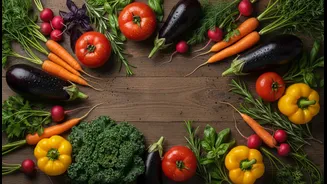
Eating seasonally during the monsoon isn't just a trend; it's a smart strategy for better health. Produce that is naturally in season is fresher, more nutrient-dense, and often more affordable. When fruits and vegetables are grown out of their natural season,
they may be artificially ripened, reducing their nutritional value. More importantly, monsoon-specific produce often contains the exact properties your body needs to combat the health challenges of the season, such as a slower digestive system and a higher risk of infection.
Immunity-Boosting Fruits
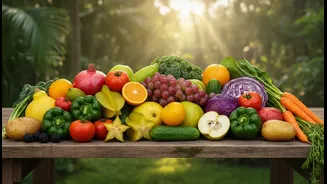
Fortifying your immune system is your first line of defence. Jamun (Indian blackberry) is a low-calorie monsoon favourite loaded with iron, potassium, and vitamins. Pears, another seasonal gem, are packed with fibre and immunity-boosting vitamin C. Other excellent choices include peaches and plums, which are rich in antioxidants. Citrus fruits like oranges and lemons, while available year-round, are particularly valuable now for their high vitamin C content, which helps your body produce the white blood cells needed to fight infection.
Light and Easy-to-Digest Gourds
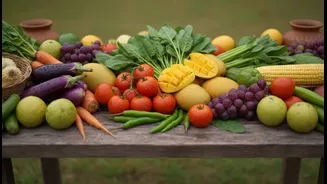
The high humidity during the monsoon can slow down your digestion. This is where seasonal gourds come in. Vegetables like bottle gourd (lauki), ridge gourd (turai), and bitter gourd (karela) are incredibly light and easy on the stomach. They are also packed with essential nutrients and have a high water content. Bitter gourd, in particular, is known as an immunomodulator, helping to protect against seasonal colds. These vegetables are best consumed boiled or in stews rather than fried.
The Power of Roots and Spices
Some of the most powerful monsoon defenders are found in your spice box. Ginger and garlic are staples in Indian cuisine for a reason; they possess strong anti-inflammatory, antiviral, and antibacterial properties. Adding them to teas and curries can help soothe a sore throat and ward off infections. Turmeric is another superstar spice, celebrated for its ability to boost immunity and fight inflammation. Beetroot, a vibrant root vegetable, is rich in vitamin C, fibre, and potassium, all of which support your body's defences.
Probiotics for Gut Health
A healthy gut is the foundation of a strong immune system. The monsoon season can disrupt the balance of your gut bacteria, leading to digestive issues. Incorporating probiotics into your diet can help. Freshly prepared yogurt (curd) and buttermilk are excellent sources of 'good' bacteria that aid digestion and help your body fight off harmful pathogens. Opt for plain, homemade or store-bought yogurt and be mindful of its freshness, as this is crucial for reaping its benefits.
A Note on Leafy Greens and Raw Foods
While leafy greens like spinach are nutritious, they require extra caution during the monsoon. The damp conditions mean they can easily harbour dirt and germs. Always wash leafy vegetables thoroughly and cook them well before eating; avoid consuming them raw in salads. Similarly, it's wise to be cautious with pre-cut fruits and street food, as the risk of water contamination is significantly higher during this season. Opt for whole fruits that you can wash and cut yourself at home.