





Why Sitting Stiffens Your Joints
Our joints are designed for movement. This movement helps circulate synovial fluid, a substance that lubricates the cartilage and keeps it healthy. When you sit for long periods, this process slows down. The muscles that support your joints, like your hip
flexors and hamstrings, can tighten and weaken. This inactivity places excess stress on your knees, hips, and spine, contributing to stiffness and pain. Over time, prolonged sitting, especially with poor posture, can overwork the muscles and ligaments in your neck and back, straining the discs in your spine. Inactivity doesn't just make you stiff; it can also lead to a loss of bone strength, increasing the risk of conditions like osteoporosis.
The Power of Desk-Side Movement
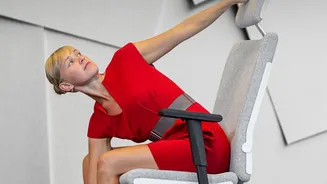
The solution isn't necessarily a high-intensity workout; it's about reducing total sitting time by incorporating small, consistent movements throughout your day. Experts often say 'motion is the lotion' for joints because even gentle activity helps replenish lubrication, reduce stiffness, and keep muscles strong. Set a reminder to stand, stretch, or walk for a few minutes every hour. These 'micro-breaks' prevent muscles from becoming too tight and improve blood flow, delivering vital oxygen and nutrients to your joints. Simple actions like shoulder rolls, trunk rotations, and neck stretches can be done right from your chair.
Essential Stretches for Your Workday
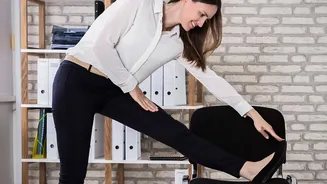
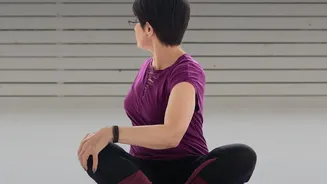
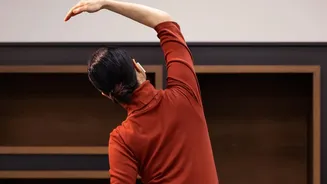
Integrating simple stretches can provide immediate relief and long-term benefits. For your neck, gently tilt your head from side to side, holding for 15 seconds on each side. To combat back stiffness, sit tall and slowly rotate your torso to one side, holding the stretch before repeating on the other. Don't forget your hips and legs. A seated hip flexor stretch, where you sit sideways on your chair and extend one leg back, can counteract the tightening that comes from sitting. Finally, to help with posture, sit or stand tall and gently squeeze your shoulder blades together, holding for a few seconds. These small movements help maintain flexibility and reduce strain.
Strengthening to Support Your Joints
Strong muscles act as a natural brace for your joints, absorbing impact and reducing stress. You don't need heavy weights to build supportive strength. Bodyweight exercises are incredibly effective. Squats and glute bridges, for instance, strengthen the large muscles around your knees and hips. Core exercises like planks are also crucial, as a strong core helps maintain good posture and provides stability for your spine. The goal is to perform strength training two to three times a week, focusing on proper form to build muscle that effectively supports and protects your joints from daily wear and tear.
Low-Impact Cardio for Lasting Health
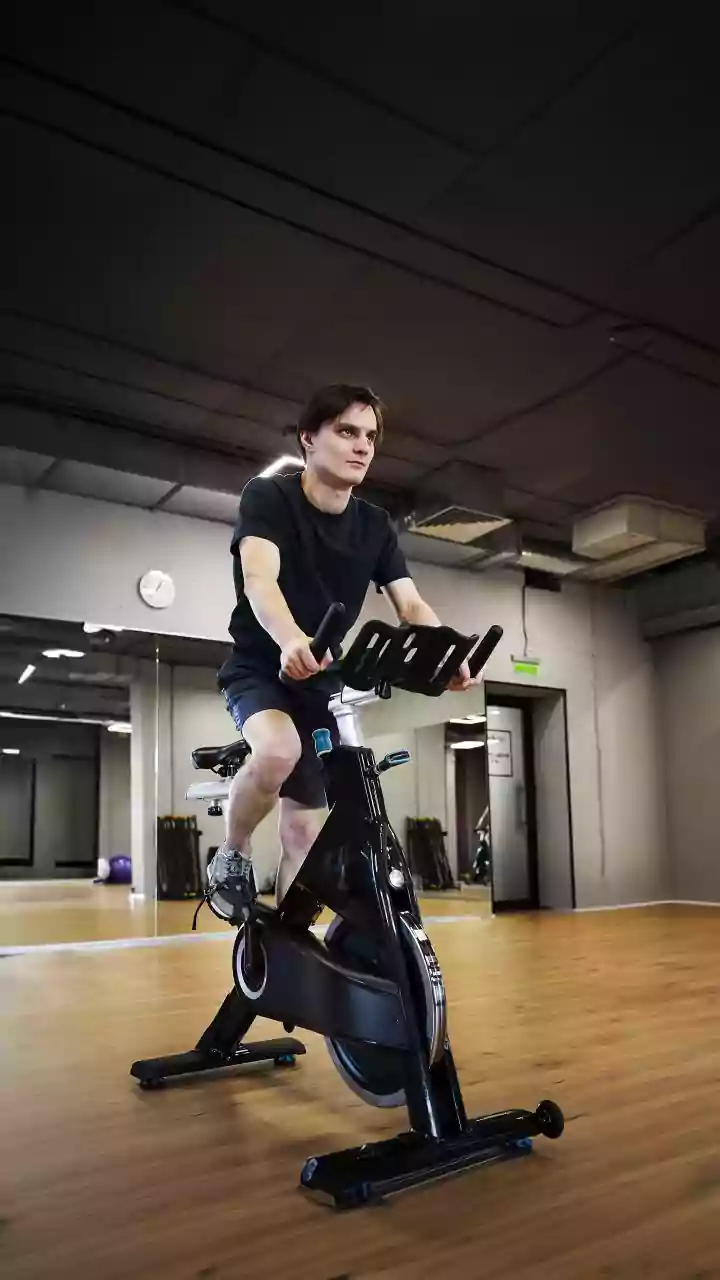
While stretching and strength are vital, cardiovascular exercise is also a key component of joint health. Low-impact activities are ideal because they get your heart rate up without jarring the joints. Activities like brisk walking, cycling, swimming, and using an elliptical machine are excellent choices. Walking, for example, is simple and effective, improving muscle strength and joint mobility with just a good pair of shoes. Cycling is another great option that boosts fitness while being gentle on the knees and hips. Water-based exercises are particularly beneficial, as the water supports your body weight, removing almost all impact from your joints while providing natural resistance.
Your First Line of Defence: Ergonomics
Exercise is crucial, but an ergonomic workspace is the foundation of joint comfort. Adjust your chair so your feet rest flat on the floor and your knees are at or slightly below hip level. The top of your computer monitor should be at eye level, about an arm's length away, to prevent neck strain. Your keyboard and mouse should be placed so your elbows are bent at a 90-degree angle and your wrists are straight. Using a footrest, lumbar support pillow, or even a standing desk can further help reduce pressure on your back and hips.