




The Golden Rule of Substitution
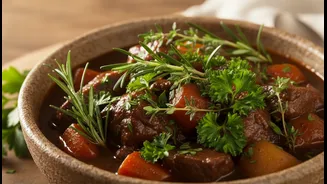
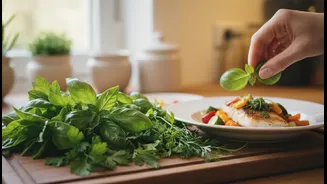
When swapping dried herbs for fresh, the most important thing to remember is that drying concentrates flavour. Fresh herbs contain a lot of water, which evaporates during the drying process, leaving behind potent essential oils. The general rule of thumb
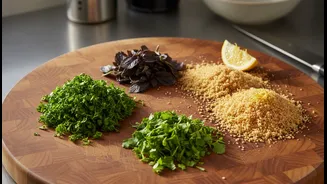
is a 3-to-1 ratio: use one teaspoon of dried herbs for every one tablespoon of fresh herbs called for in a recipe. This works well for robust, woody herbs like oregano, thyme, and rosemary. However, this isn't a universal law. Delicate herbs like parsley, dill, and coriander lose much of their bright, fresh character when dried, so you might find the flavour profile changes significantly. For very potent ground spices like garlic powder or ground ginger, you need to be even more cautious; a quarter teaspoon of powder can often replace a whole clove of fresh garlic. The key is to start with less and taste as you go. You can always add more, but you can't take it away.
Wake Up Your Spices with Heat
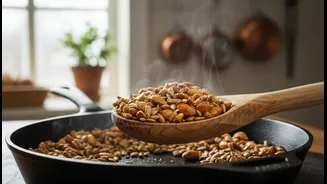
Simply tossing dried spices into a dish won’t unlock their full potential. The secret to making them sing is to “bloom” them. This technique, a cornerstone of Indian cooking often known as a 'tadka' or 'tarka', involves heating whole or ground spices in a little fat—like ghee, butter, or oil—for 30 to 60 seconds until they become fragrant. This process releases their fat-soluble flavour compounds, which then get distributed throughout the entire dish. When you see cumin seeds sizzle and dance in hot oil or smell the rich aroma of paprika warming in ghee, you are fundamentally changing the flavour of your meal. You can bloom spices at the beginning of a recipe to create a flavour base for your onions and garlic, or you can prepare a final tadka to pour over a finished dal or soup for a final burst of aroma and flavour.
Discover Your Pantry's Secret Weapons
Your spice shelf likely holds a few unsung heroes that can transform everyday dishes. Let’s look beyond the usual suspects. Kasuri Methi (dried fenugreek leaves) is the secret behind that distinct, craveable flavour in many restaurant curries. Crushing a teaspoon of these leaves between your palms and sprinkling it over paneer makhani, dal makhani, or even aloo sabzi just before serving adds an unmatched aromatic, slightly bitter depth. Another powerhouse is Amchur (dried mango powder), which provides a tart, citrusy kick without adding extra liquid. It’s fantastic in chana masala, marinades, or sprinkled over fried snacks to balance richness. And don’t forget Kalonji (nigella seeds). Often seen on naan bread, these small black seeds have a nutty, slightly oniony flavour that’s wonderful in vegetable stir-fries, pickles, and dals.
Go Beyond the Recipe
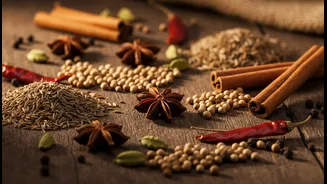
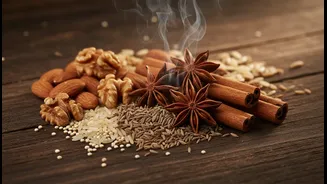
Dried spices are an invitation to experiment. Instead of following a recipe to the letter, think of your spice rack as a palette of flavours. You can create your own signature 'house seasoning' blend to use on everything from roasted vegetables to grilled chicken. Try making seasoned butters by mixing softened butter with garlic powder, chili flakes, and dried herbs—perfect for spreading on hot parathas or toast. Elevate a simple pot of rice by adding a cinnamon stick, a few cardamom pods, or a teaspoon of turmeric while it cooks. Even a simple bowl of yoghurt can become a delicious dip or sauce with the addition of toasted cumin powder, a pinch of smoked paprika, and some salt. The more you experiment, the more intuitive you’ll become about which flavours work well together.
Smart Storage for Lasting Flavour
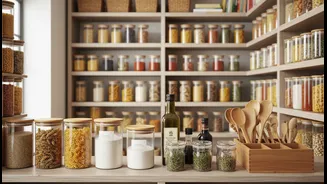
Spices don't technically spoil, but they do lose their flavour over time as their essential oils degrade. To keep them potent for as long as possible, storage is key. The biggest enemies of your spice collection are heat, light, and moisture. Storing your spices in a rack on the countertop next to the stove might look nice, but it’s the fastest way to sap their flavour. The ideal home for your spices is a cool, dark, and dry place, like a cabinet or pantry. Always keep them in airtight containers; glass jars with tight-fitting lids are an excellent choice. As a general guideline, ground spices stay fresh for about a year, while whole spices can last up to three or four years. An easy way to check for freshness is to crush a little in your palm. If the aroma is faint, it's time for a replacement.