






The Old Rhythm of Group Travel
For years, the blueprint for a group holiday was predictable. You’d book separate hotel rooms, meet in the lobby at a precise time, and spend the day executing a packed itinerary. The goal was to see as much as possible, ticking off landmarks and restaurants
from a carefully curated list. The accommodation was merely a place to sleep and recharge before the next day’s adventure. This model, however, often keeps group members on parallel tracks. Interactions are limited to meals out and shared transport, with little room for the spontaneous, unstructured time where real connection happens. The holiday becomes more about the destination than the people you are with.
A Shift Towards a 'Home Base'
Enter the rise of the shared stay—the sprawling villa, the large apartment, the multi-bedroom holiday home. This isn't just a trend in accommodation; it's a fundamental shift in the philosophy of group travel. By choosing a space where everyone is under one roof, the property itself becomes part of the experience, not just a base for external activities. Instead of a checklist of sights, the focus can drift towards shared experiences within the home: cooking a chaotic but memorable dinner together, late-night conversations in the living room, or simply lounging by a private pool. These shared spaces foster a different kind of togetherness, turning the holiday inward.
The Architecture of Connection
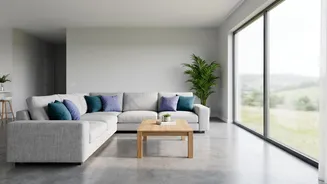
The magic of a shared stay lies in its design. Unlike hotels that prioritize individual privacy, vacation rentals are built for communal living. A full kitchen encourages collaborative meals, which are not only cost-effective but also a powerful bonding activity. A common living area provides a natural theatre for games, movies, or simply talking. Multiple bedrooms and bathrooms still offer privacy when needed, striking a crucial balance between togetherness and personal space. This setup removes the logistical friction of coordinating between separate rooms and floors, allowing for a more relaxed and organic flow to the day. The simple act of making coffee in the morning while others slowly wake up creates a sense of shared domesticity that a hotel lobby can never replicate.
It’s Not Always Effortless
Of course, sharing a house with friends or family is not without its challenges. The very things that foster closeness can also create friction. Differing standards of cleanliness, noise levels, and financial contributions can quickly lead to tension. One person's idea of a relaxing morning might be another's wasted opportunity for sightseeing. Successful group stays require a dose of realism and open communication. Experts suggest setting ground rules early on—a simple cleaning rota, an agreement on quiet hours, and using apps to track shared expenses can prevent minor annoyances from escalating. The key is to manage the dynamics of a shared space proactively so the benefits can be fully enjoyed.
Leaning into the Slower Pace
For groups who choose this path, the reward is a holiday that feels less like a tour and more like a shared life experience. The pressure to constantly be 'doing' something evaporates, replaced by the simple pleasure of being together. The most cherished memories often come from these unplanned moments. Research into the psychology of group travel highlights that these shared experiences build trust, improve communication, and strengthen social bonds long after the trip is over. By prioritising a shared home, groups are often unconsciously choosing to invest in their relationships, making the time spent together the main attraction.