





The Road Trip: More Than Just Fuel
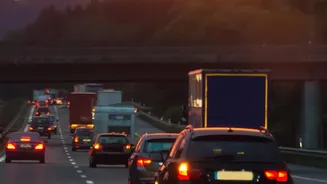
Taking your own car for a weekend trip offers unparalleled freedom, but calculating the cost goes far beyond the price of petrol or diesel. As of late 2026, petrol prices in major cities like Delhi and Mumbai hover between ₹102 and ₹112 per litre. For
a 500-kilometre round trip, a car delivering 16 kmpl would consume over 31 litres of fuel, costing upwards of ₹3,200. Add to this the significant expense of highway tolls, which can easily add another ₹500–₹1,000 to a popular route. Furthermore, there's the invisible cost of vehicle wear and tear—tyres, engine oil, and general depreciation—which experts estimate adds a few rupees to every kilometre driven. When you factor in parking charges at your destination and the potential for traffic-related delays, the 'cheap' option of driving can quickly become a considerable line item in your travel budget.
Riding the Rails: A Game of Tiers and Timing
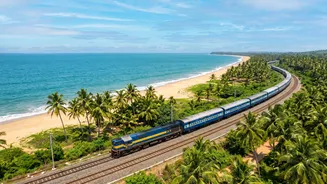
Indian Railways is the backbone of budget travel, offering a cost-effective way to cover long distances. An overnight journey in a sleeper class can be incredibly economical, often serving as both transport and accommodation. However, the price spectrum is vast. A journey that costs ₹700 in Sleeper Class could be ₹1,800 in AC 3-Tier and over ₹2,500 in AC 2-Tier for the same route. For popular weekend trains like the Shatabdi and Rajdhani, dynamic pricing is a major factor. This system increases the base fare by 10% for every 10% of tickets sold, potentially raising the price by up to 50%. Booking last-minute through the Tatkal or Premium Tatkal quota also comes with additional charges. To truly benefit from the economy of train travel, booking several weeks or even months in advance is essential.
Flying High: The Myth of the Base Fare
Budget airlines have revolutionised travel, making flights seem as affordable as train tickets. A low base fare of ₹3,500 might look tempting, but the final price is often much higher. Airlines are masters of ancillary charges. Want to choose a window seat? That’ll be an extra ₹400. Need to check in a bag? Prepare to pay ₹1,500 or more. Even a so-called 'convenience fee' can add a few hundred rupees at the final payment step. Once these extras are tallied, the flight's cost can balloon. Moreover, airport travel adds another layer of expense. A taxi to and from the airport can cost as much as the flight itself, especially from cities with airports located far from the centre. The total door-to-door time for a one-hour flight can often stretch to 4-5 hours, sometimes making it no faster than a train or car journey for shorter distances.
The Last-Mile Problem: Getting Around Your Destination
One of the most frequently overlooked expenses is 'last-mile connectivity'—the cost of getting from the railway station, bus stand, or airport to your hotel, and then getting around the destination itself. In many tourist spots, local auto-rickshaws and taxis can be a significant drain on your daily budget. Studies have shown that for city trips using metro systems, commuters can sometimes spend more on last-mile transport than on the main journey itself. This holds true for getaways as well. A weekend in a hill station might involve hiring a local taxi for sightseeing, which can cost anywhere from ₹1,500 to ₹3,000 per day. Even short trips to a local market or viewpoint can add up, with minimum fares and tourist pricing inflating costs. Factoring in an extra 10-15% of your total budget for this local travel is a wise strategy.