






The Allure of the AI Assistant
Let's be honest: crafting a resume is a chore. That's why artificial intelligence tools have become so popular. With a few prompts, they can generate a polished document that seems ready to impress. These tools are excellent at ensuring consistent formatting,
optimising for Applicant Tracking Systems (ATS), and suggesting industry-specific keywords that might get your application past the initial digital gatekeepers. For job seekers who aren't natural writers, AI can feel like a professional resume coach, helping to structure thoughts and summarise career highlights concisely. The promise is clear: save time, avoid common mistakes, and create a resume that ticks all the technical boxes. For many, it's an irresistible offer in a competitive job hunt.
Where AI Falls Short
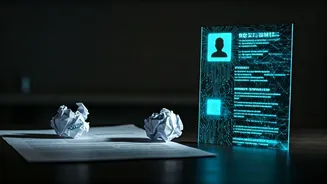
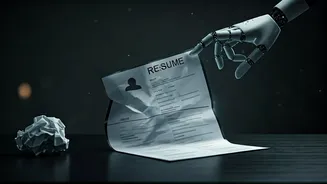
The problem is that a resume is more than just a list of skills and job titles. Recruiters are becoming adept at spotting the tell-tale signs of a purely AI-generated document. These resumes often have a generic, impersonal tone. They might use repetitive phrases or language that sounds polished but ultimately says nothing unique about the candidate. AI struggles to capture the nuance, passion, and personality that make a candidate compelling. It can't tell the story behind an achievement, explain your motivation for a career change, or convey your unique perspective. It might even “hallucinate” or generate inaccurate information that you have to carefully check. As one hiring manager noted, the flood of similar-sounding AI applications makes it harder to distinguish between candidates.
Why Recruiters Crave Authenticity
Hiring managers aren't just filling a seat; they're building a team. While skills are important, culture fit, passion, and personality are often the deciding factors. A recent report found that 62% of employers are more likely to reject a resume that lacks a personal touch, even if it's AI-generated. They want to see signs of genuine interest in the role and the company. A resume that feels too perfect or robotic can raise red flags, suggesting the applicant is either lazy or lacks the communication skills to articulate their own experience. Many recruiters prefer a resume with a personal voice over a flawlessly polished but generic one. That human element—the story of your journey, the spark of your passion, the hint of your personality—is what makes you memorable.
Bridging the Gap: Humanising Your AI Draft
The solution isn't to abandon AI altogether. Instead, think of it as a brainstorming partner or a first-draft assistant, not the final author. Use AI to generate a basic structure and ensure you've included relevant keywords. Then, the real work begins. Your job is to infuse that skeleton with your personality. Replace generic phrases with concrete, specific examples of your accomplishments. Instead of saying you're a "team player," describe a project where you collaborated to achieve a specific outcome. Add a section for professional passions, relevant hobbies, or volunteer work that reveals who you are outside of a job description. You could even include a powerful testimonial from a former colleague or manager. The goal is to edit and refine until the resume sounds like you, not a machine.