


Beyond the Postcard Picture
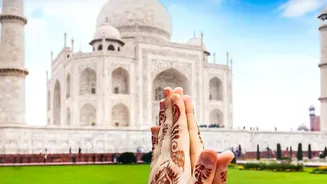
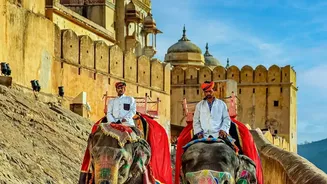
For years, travel in India followed a familiar script: the Taj Mahal, the forts of Rajasthan, the beaches of Goa. While these iconic destinations remain popular, the way people experience them is changing. A growing number of travellers are finding that
the most memorable moments happen away from the crowds. Instead of a selfie at a packed viewpoint, the highlight of a trip might be a meal at a village eatery, a conversation with a local artisan, or learning a new skill like pottery or block-printing. This shift reflects a deeper desire for connection and authenticity, moving beyond a predictable itinerary to discover the unique pulse of a place. Research shows a massive 95 percent of Indian travellers now actively seek cultural exchanges and authentic local experiences.
The Rise of the Conscious Traveller
This preference for local immersion is also tied to a growing consciousness about the impact of travel. Many now prefer to support small, independent businesses over large commercial chains. Staying in a family-run homestay, for example, not only offers a more personal and culturally rich experience but also ensures that tourism spending directly benefits the local community. This model is booming, with one report noting an 85% growth in homestays in 2022 compared to just 25% for hotels. This conscious approach extends to the environment, with a high percentage of travellers planning trips that minimise their carbon footprint by walking, biking, or using public transport where possible.
The Social Media Paradox
While social media is often blamed for performative travel, it's also a key driver behind this trend. As popular spots become oversaturated with identical posts, the new status symbol is uniqueness. Platforms like Instagram and YouTube inspire travellers to find 'hidden gems' and 'offbeat' locations that offer a fresh story to tell. Studies show that a significant number of young Indians, particularly Gen Z and millennials, are influenced by travel content creators who showcase these deeper, more authentic experiences. In a way, the hunt for an original, unfiltered photo is pushing travellers off the beaten path and into more meaningful encounters.
From Adrenaline to Authenticity
Even the definition of 'adventure' is evolving. It's no longer just about extreme physical feats like trekking high passes. Today, adventure is increasingly about 'authenticity' and 'well-being'. Travellers are seeking experiences that foster mindfulness and a connection with nature, such as village walks, forest bathing, or learning about local crafts. This is part of a broader global trend where the goal of travel is shifting from conquest to connection. According to a recent Hilton report, an overwhelming 84% of Indian travellers define a great trip by the experiences they have, not just the destination itself.
The New Travel Infrastructure
This shift has been made possible by practical changes on the ground. The rise of digital platforms makes it easier than ever to discover and book homestays, workshops, and local guides. Improved road connectivity and flexible cab services have opened up previously hard-to-reach areas, allowing for more spontaneous and flexible journeys. The experiential travel market in India is booming, projected to become a dominant segment of the tourism industry by 2030, driven largely by travellers under 35 seeking personalised and activity-based trips.