







Why Your Digestion Slows Down
The high humidity and dampness of the monsoon season don't just affect the world outside; they impact your body's internal environment, too. According to both modern nutrition and ancient Ayurvedic wisdom, our digestive fire, or 'agni', tends to weaken
during these months. This makes us more susceptible to issues like bloating, acidity, and infections. The moist conditions are also a breeding ground for bacteria and viruses, increasing the risk of water-borne and food-borne illnesses. This is why choosing foods that are light, easy to digest, and immunity-boosting becomes crucial.
Foods to Welcome on Your Plate
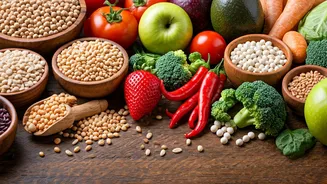
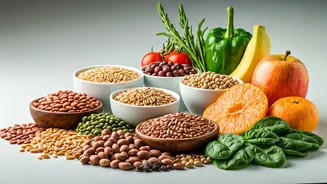
The focus for a balanced monsoon plate should be on warm, freshly cooked meals. Incorporating seasonal vegetables is a great start. This is the season for gourds like bottle gourd (lauki), bitter gourd (karela), ridge gourd (torai), and snake gourd. These vegetables are not only packed with nutrients but are also light on the stomach. Seasonal fruits such as jamun, pears, plums, cherries, peaches, and pomegranates are excellent choices as they are rich in essential vitamins like A and C, which help boost your immune response. Opt for whole grains like barley, brown rice, and oats, which provide sustained energy and fibre. To support your gut, include probiotic-rich foods like fresh curd and buttermilk, but it's often recommended to have them during the day rather than at night.
The Power of Spices and Herbs
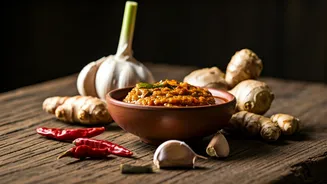
Indian kitchens are a treasure trove of spices that are perfect for the monsoon. Spices like turmeric (haldi), ginger (adrak), garlic (lehsun), and black pepper (kali mirch) are celebrated for their powerful anti-inflammatory, antibacterial, and antiviral properties. Adding a pinch of turmeric to milk or liberally using ginger and garlic in your cooking can significantly enhance your body's defence mechanisms. Herbal teas made with tulsi, ginger, or cinnamon are not only comforting on a rainy day but also help soothe the digestive system and keep infections at bay.
Foods to Reduce or Avoid
Just as important as what you eat is what you limit. It's wise to avoid raw foods, especially leafy green vegetables like spinach and cabbage, as they can carry dirt and germs in the damp weather. If you do consume them, ensure they are washed thoroughly and well-cooked. Street food, including chaat and pre-cut fruits, poses a higher risk of contamination and is best avoided. Heavy, deep-fried snacks like pakoras and samosas, while tempting, are hard on a sluggish digestive system and can lead to bloating and acidity. It's also recommended to limit the intake of seafood during this time, as it's the breeding season for fish, and the risk of spoilage is higher.
Hydration Remains a Priority
While you might not feel as thirsty, staying hydrated is essential to flush out toxins. However, be cautious about your water source. Always opt for boiled, filtered, or purified water to prevent water-borne diseases like typhoid and jaundice. Instead of cold drinks, which can hamper digestion, switch to warm fluids. Warm water, clear vegetable broths, and light soups are excellent choices. They not only fulfill your fluid requirements but also provide warmth and vital nutrients, helping to keep your digestive system active and healthy.