





The Grand Vision for a Revamped Hub
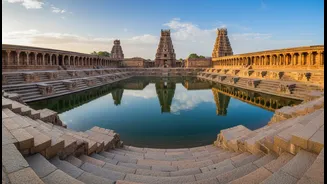
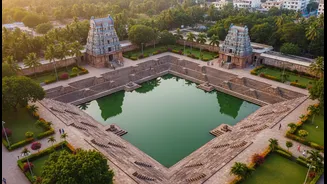
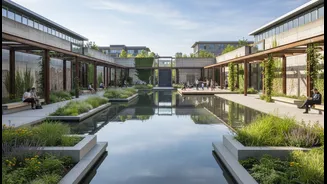
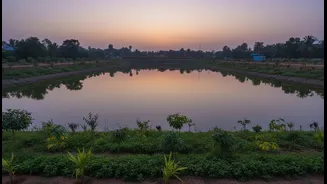
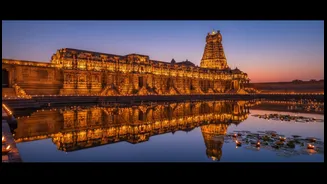
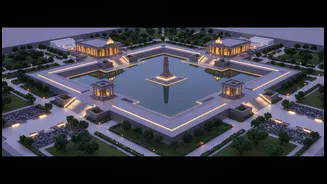
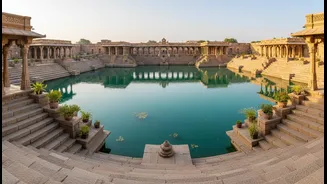
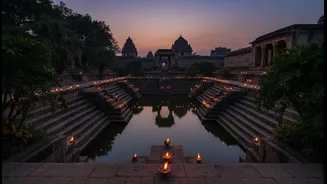
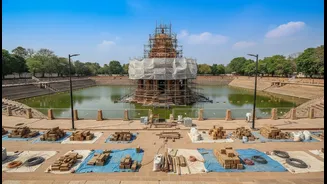
The plan to redevelop the Vandiyur Mariamman Teppakulam is ambitious. Proposals recently outlined by local representatives aim to convert the sprawling 16-acre tank area into a major tourist destination. The vision includes installing colourful decorative
lighting around the tank, creating dedicated viewing areas, and establishing infrastructure for cultural events. A key component of the plan involves tackling long-standing issues of cleanliness and congestion. This includes creating a formal, hygienic food street with proper waste disposal and parking facilities to house the numerous eateries currently operating informally around the tank's perimeter. The goal is to enhance the visitor experience, boost tourism, and restore the serene ambience of the heritage site, which was originally built in 1645 by King Thirumalai Nayak. This aligns with broader efforts under the Smart City Mission to upgrade Madurai's public spaces and heritage sites.
For Residents: Cleaner Spaces vs. Daily Disruptions
For the people living in the vicinity, the revamp offers a mixed bag. The most significant promised benefit is an improvement in the local environment. Residents have long complained about unregulated garbage dumping, unpleasant odours, and haphazard parking, which make evening and weekend visits difficult. A structured plan with designated waste bins and parking could make the area cleaner, safer, and more accessible for families. Past restoration efforts that focused on dredging the tank and improving water storage have already been praised by locals for recharging the groundwater table and alleviating water scarcity issues. However, the costs come in the form of disruption. Large-scale construction and redevelopment can lead to noise, dust, and traffic congestion, impacting daily life. There is also the concern that turning the area into a major, brightly lit event hub could spoil the low-decibel environment that many locals currently cherish. The fear is that a successful tourism revamp could lead to overcrowding, turning a community leisure spot into a commercialized zone that prioritizes tourists over the residents who use it for quiet walks and relaxation.
For Vendors: The Dilemma of Relocation
The impact on the hundreds of street vendors and small eateries is perhaps the most direct and contentious aspect of the plan. The proposal includes relocating these businesses to a newly established, formal food street. The stated benefit is providing vendors with designated, hygienic spaces equipped with sanitation and parking, which could legitimize their businesses and attract more customers. However, this move is fraught with uncertainty. For vendors, many of whom operate on thin margins, relocation means leaving behind established spots where they have built a customer base over years. The primary concern is displacement and loss of income. There is no guarantee that customers will follow them to a new location. Furthermore, a formalized space may come with higher rents or fees, and regulations that could be difficult for small-scale entrepreneurs to meet. Past experiences with clearing encroachments in similar areas show that while the intention is to organize, the result can be a loss of livelihood for the most vulnerable. The transition from an informal, low-cost business model to a formal, regulated one is a significant financial and operational challenge.
For Visitors: An Enhanced or Sanitized Experience?
Tourists and visitors are the primary targets of the redevelopment. The benefits for them are clear: a cleaner, safer, and more organized environment. Better lighting, seating, clean food stalls, and proper waste management would undoubtedly improve the aesthetic appeal and overall experience of visiting the historic tank. The addition of cultural programs and event spaces could provide more reasons to visit and spend time there. The current state of neglect, with garbage and poor sanitation, detracts from the site's grandeur. Yet, there's a fine line between enhancement and sanitization. Part of the charm of places like the Teppakulam is the bustling, organic street life, including the array of local food vendors. An overly structured and formalized environment risks stripping the area of its authentic character, turning it into a sterile tourist spot that feels disconnected from the city's vibrant culture. Visitors seeking an authentic Madurai experience might find a perfectly manicured food court less appealing than the lively chaos of the existing street-side eateries.
Long-Term Questions of Maintenance and Execution
Beyond the immediate trade-offs, the long-term success of the Teppakulam revamp hinges on execution and sustained maintenance. Many urban renewal projects in India look promising on paper but falter due to poor upkeep. Residents have noted that even after cleanup drives, waste quickly reappears. The Madurai Corporation has previously struggled with waste management and enforcing regulations on vendors. Ensuring that new facilities, once built, are properly maintained will be critical. Furthermore, projects under the Smart City Mission have faced delays and criticism for not being completed on time or remaining unopened to the public years after construction. For the Teppakulam revamp to truly benefit all, it will require not just initial investment but a lasting commitment to governance and upkeep, ensuring the space remains a cherished landmark for everyone.