






The Shortest Path from Farm to Kitchen
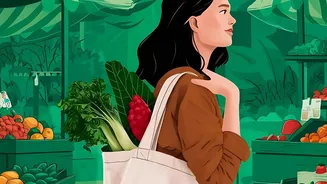
The single biggest advantage of a local market is the dramatically shorter supply chain. Vegetables and fruits at your neighbourhood sabzi mandi are often sourced from nearby farms, sometimes by the farmers themselves. This 'farm-to-consumer' model means
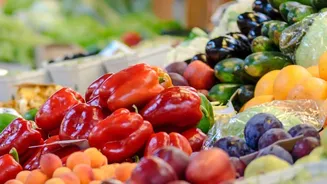
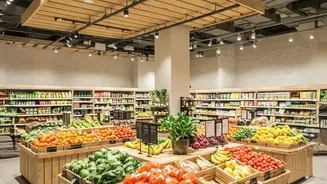
the produce is harvested at its peak ripeness and travels a much shorter distance, often arriving at the market within a day. In contrast, supermarkets and large retail chains have complex, national supply chains. Their produce is typically harvested before it's fully ripe to withstand long-distance transport and extended storage in cold chains. While this ensures year-round availability, it can come at the cost of flavour and nutrient density, which start to degrade the moment a vegetable is picked. The local vendor's produce, sold fresh without days in cold storage, simply offers a fresher, more flavourful experience.
Customisation You Can't Get from a Package
Large malls excel at standardisation, but local markets thrive on customisation. Need just two green chillies and a small piece of ginger? No problem. Want your vendor to pick out the perfect semi-ripe tomatoes for a specific curry? They're happy to oblige. This level of personalised service is the hallmark of the local market. You can buy exactly the quantity you need, which significantly reduces household food waste. Many vendors also offer on-the-spot services, like peeling garlic or chopping vegetables to your preference. This tailored experience extends to getting expert advice. Your local sabziwala often knows precisely which vegetables are at their seasonal best, how they taste, and might even suggest a new way to cook them. This interactive, bespoke service is something a pre-packaged, sterile supermarket environment simply cannot replicate.
A Richer Sensory and Social Experience
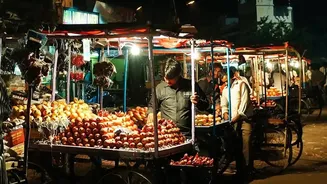
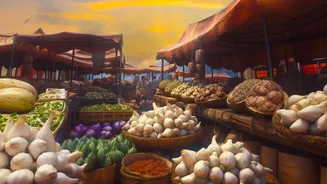
Shopping at a mall is a transaction; visiting a local market is an experience. The sights of colourful, stacked produce, the sounds of bargaining and chatter, and the earthy smells of fresh greens create a vibrant atmosphere that a supermarket can't match. Studies show that consumers in local markets often build relationships of trust and familiarity with vendors. This human connection is a powerful draw. Your vendor gets to know your preferences, might save the best stock for you, and the daily or weekly interaction becomes a part of the community fabric. This social element transforms a mundane chore into an engaging activity, connecting you not just to your food, but to the people who bring it to you.
Greater Variety and Support for Local Economy
Local markets are often treasure troves of biodiversity. You're more likely to find unique, regional, and seasonal vegetables that don't fit the uniform size and shape requirements of large retail chains. These 'imperfect' but delicious varieties are a key part of India's culinary heritage. By shopping at a local market, you directly support small farmers and vendors, bolstering the local economy. The money you spend is more likely to stay within your community, providing livelihoods for numerous families rather than flowing to a large national corporation. While malls and hypermarkets offer a different kind of convenience, especially for branded goods and bulk items, they are part of a system that often prioritises scale over local nuance.