




Why This Tiny Nutrient Matters So Much
Iodine is a crucial micronutrient that serves as a fundamental building block for thyroid hormones. These hormones, thyroxine (T4) and triiodothyronine (T3), are the master regulators of your body's metabolism, influencing everything from heart rate and body temperature
to protein synthesis and energy levels. For pregnant women, infants, and children, adequate iodine intake is even more critical, as it is essential for proper brain and skeletal development. An iodine deficiency can lead to a spectrum of health issues known as Iodine Deficiency Disorders (IDDs), the most visible of which is goitre, an enlargement of the thyroid gland. However, the invisible consequences are far more severe, including hypothyroidism, impaired cognitive function, and in children, preventable brain damage that can lower IQ by an average of 13.5 points.
India's Public Health Success Story
Historically, the entire Indian subcontinent was prone to iodine deficiency due to the low iodine content in its soil, which affects the crops and livestock raised on it. Recognising this widespread threat, India launched the National Goitre Control Programme in 1962, which later evolved into the National Iodine Deficiency Disorders Control Programme (NIDDCP). The cornerstone of this initiative was Universal Salt Iodization (USI)—a policy to fortify all edible salt with iodine. This programme has been a resounding public health success. Today, over 90% of Indian households consume iodized salt, dramatically reducing the prevalence of severe deficiency disorders across the nation. This sustained, multi-decade effort between the government, scientists, and industry has been key to protecting millions from the most devastating effects of iodine deficiency.
Finding Iodine on Your Plate
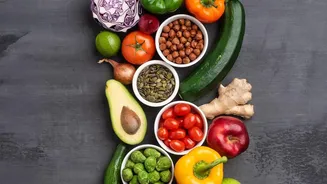
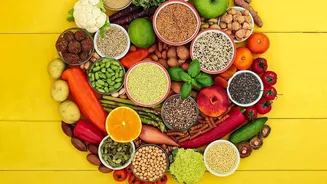
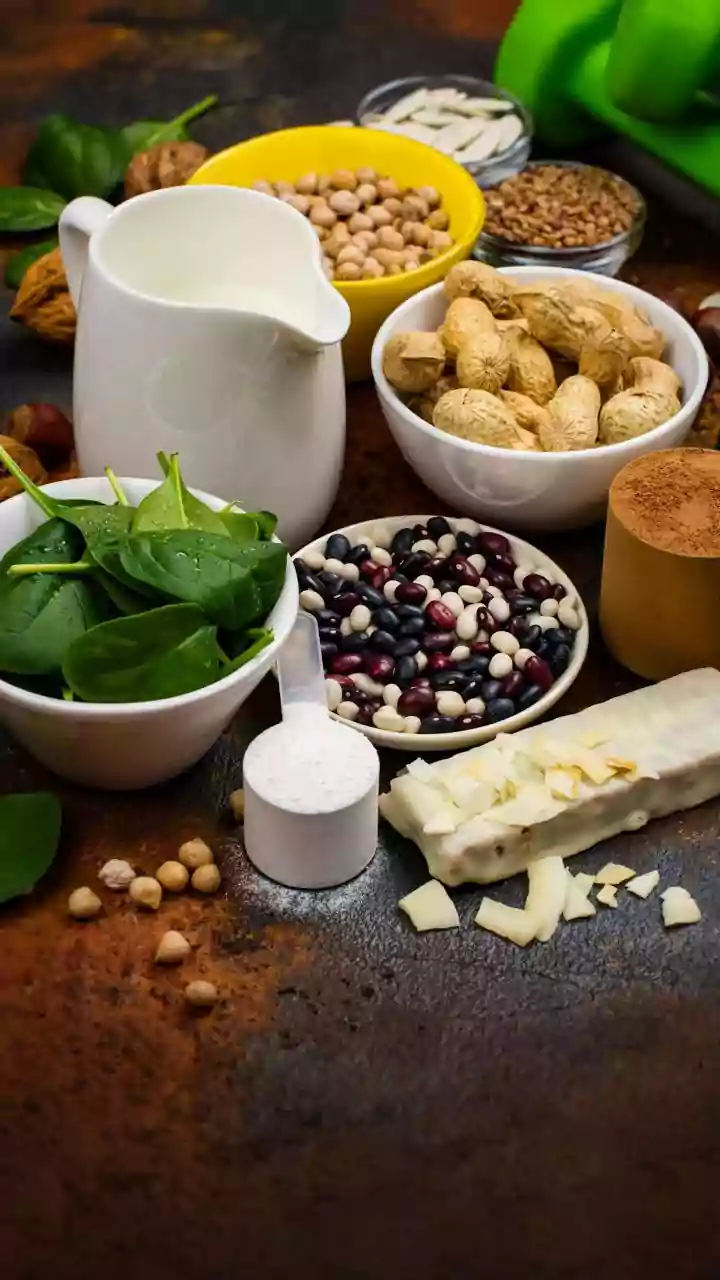
Thanks to the success of iodized salt, most people in India can meet their daily iodine needs through their diet alone. The recommended daily allowance for most adults is 150 micrograms (mcg). While iodized salt is a primary source, a varied diet provides a natural and balanced intake. Dairy products like milk, curd, and paneer are excellent vegetarian sources, as iodine is often present in cattle feed. Eggs, particularly the yolks, are another accessible source. For those in coastal regions or who enjoy non-vegetarian food, seafood such as marine fish and prawns are naturally rich in iodine. Even certain vegetables, grains, and legumes can contribute to your daily intake, though their iodine content varies depending on the soil they were grown in. For the vast majority of the population, a balanced diet that includes these foods and uses iodized salt for cooking is more than sufficient.
The Supplement Debate: Are They Necessary?
The wellness market is flooded with supplements promising enhanced thyroid function and metabolism, often containing high doses of iodine. However, for the average person, these are not only unnecessary but can also be risky. Unless you are directed by a doctor due to a specific medical condition, diagnosed deficiency, or particular dietary needs (such as a strict vegan diet with no fortified foods), there is little scientific basis for taking an iodine supplement. Pregnant and lactating women have higher iodine needs—around 250 mcg daily—but should always consult their doctor before starting any supplement. Self-prescribing can easily disrupt the delicate balance your body maintains. In most cases, the claims made by supplement brands are not supported by evidence for the general population, which already has access to sufficient iodine through fortified salt and a regular diet.
The Hidden Dangers of Too Much Iodine
More is not always better, and this is especially true for iodine. Consuming excessive amounts, typically through high-dose supplements, can be harmful. Paradoxically, taking too much iodine can cause some of the same symptoms as a deficiency, including goitre and hypothyroidism (an underactive thyroid). It can also trigger the opposite condition, hyperthyroidism (an overactive thyroid), leading to symptoms like a rapid heart rate, muscle weakness, and unexplained weight loss. Acute iodine poisoning, though rare, can cause severe symptoms like abdominal pain, fever, and vomiting. The Tolerable Upper Intake Level for adults is 1,100 mcg per day—a level easily surpassed with unregulated supplements but very difficult to reach through food alone.