


The Burner and Oven Bottleneck
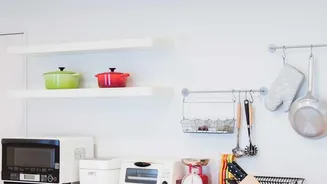
The most common self-inflicted wound in party planning is designing a menu where every single dish needs to be cooked or reheated on the stovetop or in the oven moments before serving. Take a realistic inventory of your heat sources. If you have a standard
four-burner stove and one oven, you cannot realistically execute four pan-seared dishes and a roast simultaneously. This constraint is a blessing in disguise, forcing you to think strategically. Plan your menu around a variety of temperatures. Include dishes that can be served cold, at room temperature, or are made in appliances that don't compete for prime real estate. A beautiful quiche, a vibrant grain salad, or a hearty lasagna can be made ahead and served warm or at room temperature, freeing up your burners for the one or two items that truly need that last-minute sear or simmer.
The Refrigerator Reality Check
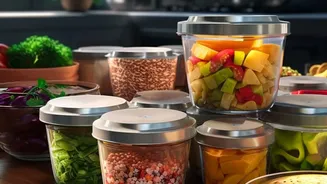
Your refrigerator is the unsung hero of party prep, but its capacity is finite. Before you commit to a menu featuring a giant trifle, three separate chilled appetisers, and brining a large bird, open your fridge. Visualise where everything will go. Successful hosting relies on prepping as much as possible in advance, and that prep work needs a place to live. Wash and chop vegetables the morning of the party, assemble casseroles the night before, and prepare dessert a day or two ahead. To maximise space, use square or rectangular containers that stack efficiently. Don't forget to account for drinks, which take up a surprising amount of room. A well-managed fridge ensures your ingredients stay fresh and your kitchen remains organised, preventing the last-minute panic of trying to find space for a finished dish.
The Serving Space Equation
Once the food is cooked, where will it go? And where will guests put their plates to serve themselves? Counter space often disappears during the cooking process, covered in utensils, mixing bowls, and cooling racks. Before your party, designate a clear area for a buffet line, even if it's just a section of your counter. Think about the flow: where will guests pick up plates, serve themselves, and then move on? If your kitchen is small, consider using a dining table or a sideboard in an adjacent room as the primary serving station. This also prevents traffic jams in a hot, busy kitchen. Furthermore, take stock of your serving platters and bowls. You don't want to finish a beautiful main course only to realise you have nothing large enough to put it on.
Building a Kitchen-Friendly Menu
Now, tie it all together with a strategic menu. An ideal party menu includes a mix of dishes that minimises competition for any single appliance or space. Aim for one showstopper that might require the oven or stovetop just before serving. Complement it with several dishes that can be made ahead. For example, pair a roasted chicken (oven) with a couscous salad that's served at room temperature (prepped ahead, no heat required), mashed potatoes that can be made ahead and reheated in a microwave or slow cooker, and a green salad with a dressing made the day before. This approach ensures a varied and impressive spread without forcing you to juggle four pans while your guests are arriving. The goal is to spend time with your guests, not chained to your stove.