






Seal the Gaps First
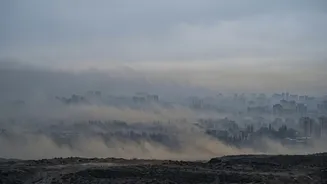
Before investing in any gadget, the most crucial first step is to stop outdoor pollutants from entering your home. Polluted air is sneaky, seeping in through tiny, often invisible gaps around window frames, under doors, and through exhaust fan openings.
Use affordable weatherstripping tape or caulk to seal window edges and rubber seals for the bottom of doors. Even a simple rolled-up towel placed at the base of a door can make a noticeable difference. On a bad air quality day, these small leaks allow a constant flow of harmful PM2.5 particles indoors, undermining any other efforts to clean the air. Sealing your home is the most cost-effective way to create a first line of defence.
Check and Clean Your AC Filters
Your air conditioner can be an ally in the fight against pollution, but only if its filters are clean. Clogged and dirty filters cannot effectively trap airborne particles. Before the winter season sets in, make it a point to clean the filters of your split and window AC units. For many modern ACs, this is a simple task of removing the mesh, washing it with water, letting it dry, and placing it back. A clean filter not only helps in trapping dust and larger particulate matter but also improves the efficiency of the unit. Some modern air conditioners even come with advanced PM2.5 filters, turning them into a part-time air purifier during the high-pollution months.
Ready Your Air Purifier
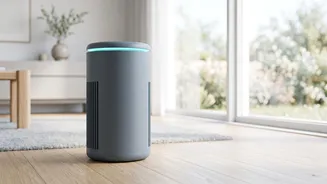
For those living in high-pollution cities, especially in North India, an air purifier is less of a luxury and more of a necessity. If you already own one, now is the time to check its filter. Most purifiers have an indicator light, but a visual inspection is always a good idea. If the filter is dark grey and clogged, it's time for a replacement. A purifier with a dirty filter is just circulating dirty air. When buying a new one, look for a model with a HEPA filter, which is designed to capture 99.97% of fine particles. Also, ensure the CADR (Clean Air Delivery Rate) is appropriate for your room size for it to be effective. During peak smog, run the purifier in the rooms where you spend the most time, like the bedroom and living room.
Mind Your Kitchen and Bathroom Vents
Indoor air quality isn't just about outdoor smog coming in; it's also about pollutants generated inside. Indian cooking, with its high-heat tadkas and frying, can release significant amounts of particulate matter into the air. Always use your kitchen chimney or exhaust fan while cooking to vent these fumes outside. Similarly, bathrooms can become a source of mould and mildew if not properly ventilated, especially in winter when dampness lingers. Run the exhaust fan for 10-15 minutes after a shower to expel moist air. Make sure these vents are clean and functioning correctly before the season begins.
Introduce Air-Purifying Plants
While not a substitute for an air purifier, certain indoor plants can help filter out common indoor toxins and improve air quality. Plants like the Snake Plant, Areca Palm, Money Plant, and Peace Lily are known for their ability to absorb pollutants like formaldehyde and benzene, which are often released from furniture, paints, and cleaning products. The Snake Plant is particularly useful as it releases oxygen at night, making it an excellent choice for bedrooms. Beyond their purifying properties, these plants add moisture to dry winter air and bring a sense of natural calm indoors.
Know When to Ventilate
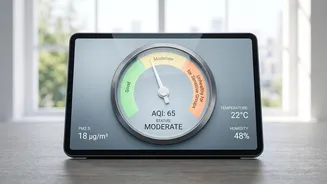
Sealing your home is crucial, but completely stopping ventilation can lead to a buildup of indoor pollutants like CO2. The key is to ventilate smartly. Keep an eye on the outdoor Air Quality Index (AQI) using a reliable app or website. On most winter days in polluted cities, the air quality is slightly better in the early afternoon, typically between 1 PM and 3 PM, when sunlight helps disperse some of the ground-level pollutants. This is the ideal window to open your windows for 10-15 minutes to allow stale indoor air to escape and some fresh air to circulate. Avoid ventilating in the early morning or late evening, when pollution levels are typically at their peak.