




The Science of Brighter Walls
The secret to a brighter room lies in a concept called Light Reflectance Value, or LRV. This is a measurement on a scale from 0 to 100 that indicates how much light a colour reflects. A colour with a high LRV bounces more light around a room, while a low-LRV
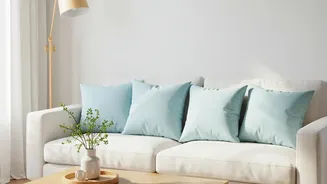
colour absorbs it. Pure black has an LRV of 0, and pure white is close to 100. Pastel colours—soft, milky hues like blush pink, mint green, and buttery yellow—naturally have high LRV scores. Because they are created by mixing a pure colour with a significant amount of white, they are inherently reflective. When used on walls, these shades grab the available natural or artificial light and spread it throughout the space, making the entire room feel brighter, more open, and airier. This makes them an ideal choice for apartments that lack large windows or are situated in a way that limits sunlight.
The Psychology of Airy Spaces
Beyond the physics of light, pastel colours have a proven psychological impact. Soft, low-saturation tones are known to have a calming and soothing effect, reducing stress and creating a sense of tranquillity. This is particularly beneficial in smaller living quarters where you want to foster a peaceful retreat from the outside world. Colours like soft blue can evoke feelings of stability, while pale greens feel refreshing and blush pinks add warmth. This gentle colour palette helps create an atmosphere that feels less cluttered and more serene. By making a room feel calmer and more orderly, pastels contribute to the perception of a larger, more manageable space, directly combating the hemmed-in feeling that can come with apartment living.
What is Colour-Blocking?
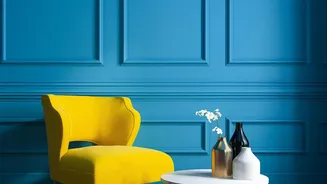
Colour-blocking is a design technique that involves using two or more solid blocks of colour on a single surface or within a single space. Originating in fashion, it has become a popular trend in interior design for its ability to add personality and architectural interest to a room without physical renovations. The technique can be used to create a focal point, define different 'zones' in an open-plan area, or simply introduce a dynamic, artistic flair to a plain wall. Using large blocks of colour, you can create visual tricks: vertical stripes or blocks can make ceilings appear higher, while horizontal bands can make a room seem wider. This makes colour-blocking a powerful, budget-friendly tool for altering the perceived dimensions of a space.
Smart Strategies for Small Apartments
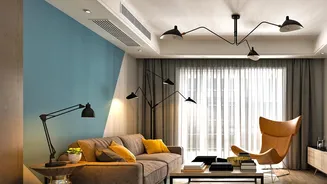
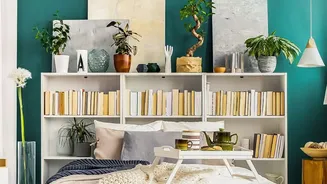
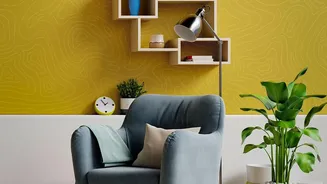
When applying pastel colour-blocking in a dim apartment, strategy is key. You don't need to paint every wall. An accent wall, or even a single, bold geometric shape, can be enough to transform a room. For example, painting a large arch or circle behind a sofa or bed can create the illusion of a feature like a headboard, adding depth to the wall. Another effective technique is to use a darker pastel on the lower half of a wall and a lighter one on the top half to draw the eye upward and create a sense of height. You can also use colour to zone a studio apartment, visually separating a workspace from a sleeping area with different pastel blocks. For a low-commitment option, consider peel-and-stick wallpapers that come in colour-blocked patterns, allowing you to get the look without the permanence of paint.
Choosing Your Pastel Palette
While pastel colours are generally harmonious, a little thought into your palette will ensure a sophisticated result. For a vibrant look, you can pair complementary pastels (colours opposite each other on the colour wheel), like a soft peach and a pale blue. For a more serene and layered effect, choose different tones of the same colour, such as a light lavender with a deeper lilac. A common rule of thumb is to stick to no more than three main colours to avoid overwhelming the space. To ensure the look feels modern and not juvenile, pair your pastels with grounding neutrals like cream, beige, or warm grey instead of stark white. Natural textures like wood, linen, and metallic accents also add maturity and sophistication to a pastel-based design scheme.