

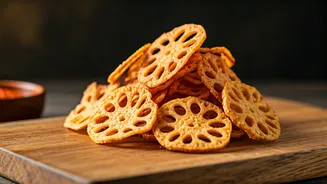


What Exactly Is a Lotus Stem?
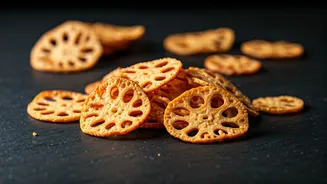
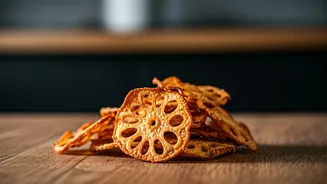
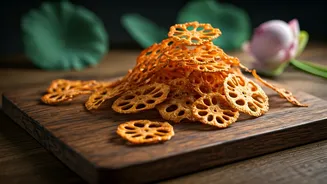
Known as *kamal kakdi* in India, the lotus stem is the edible rhizome of the lotus plant. A staple in many Asian cuisines, its beauty lies not just in its unique, lace-like cross-section but also in its incredible versatility. When cooked, it has a mildly
sweet flavour and a delightfully crunchy texture, similar to a water chestnut. But it's not just a pretty face; the lotus root is packed with nutrients. It's a fantastic source of dietary fibre, which aids digestion, and is rich in Vitamin C, a powerful antioxidant that boosts immunity. It also contains important minerals like potassium, which is great for heart health by helping to regulate blood pressure, and copper, which supports brain health.
The Magic of Baking Over Frying
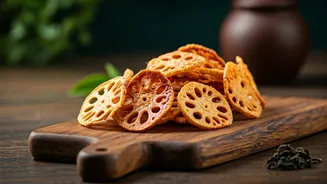
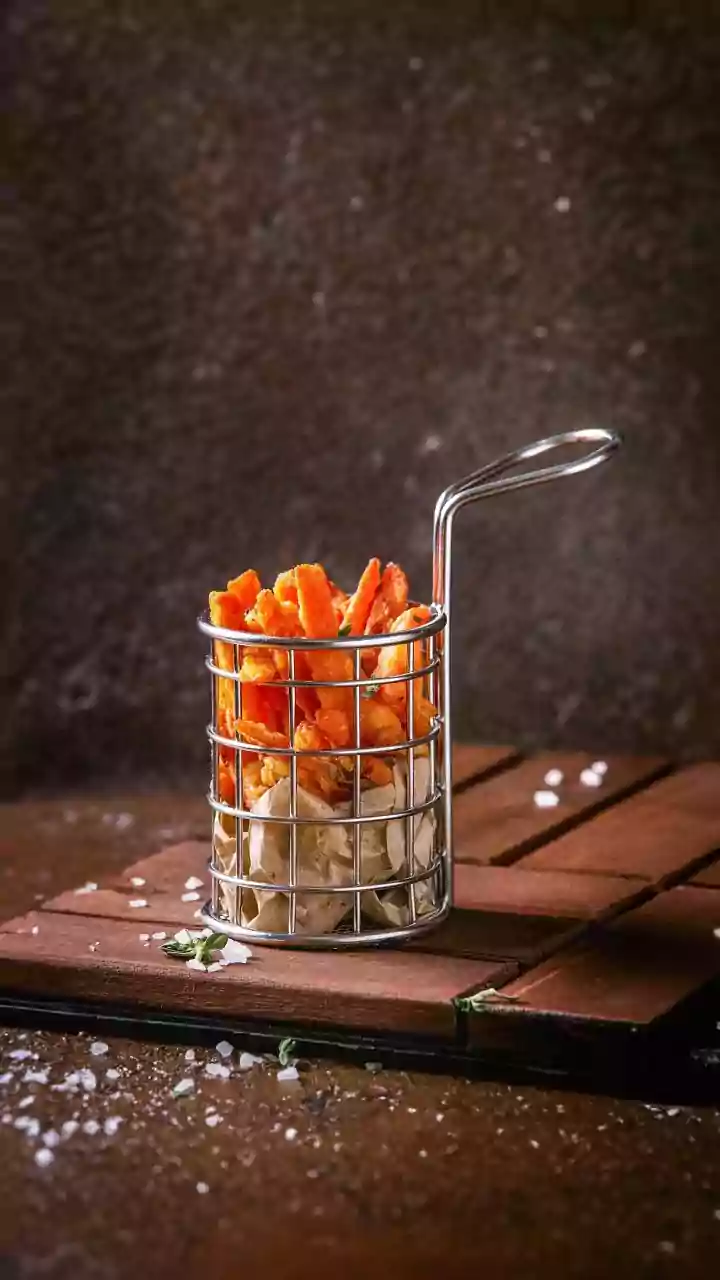
While deep-fried kamal kakdi chips are a traditional delicacy, baking offers a modern, health-conscious twist without sacrificing the crunch. The primary advantage is the significant reduction in oil, which lowers the overall calorie and fat content. Baking is more of a dehydration process, slowly drawing moisture out of the vegetable slices to create a deep, satisfying crispness that is light and airy, not heavy or greasy. This method allows the natural, subtle sweetness of the lotus root to shine through. Plus, you avoid the mess and lingering smell of a deep-fryer, making it a much more convenient option for a quick afternoon snack.
Your Guide to a Perfect Batch
Ready to transform this humble root into a show-stopping snack? Here’s a simple, step-by-step guide. **Ingredients:** * 1-2 fresh lotus stems * 1 tablespoon of olive oil or vegetable oil * Salt to taste * Your choice of seasonings (see ideas below) **Instructions:** 1. **Prep the Lotus Stem:** Begin by thoroughly washing and scrubbing the lotus stem under running water to remove any mud. Peel the tough outer skin with a vegetable peeler. It's also a good idea to run water through the holes to flush out any hidden dirt. 2. **Slice Thinly:** For maximum crispiness, slice the stem as thinly and uniformly as possible. A mandoline slicer is the best tool for this, creating perfect 1/8-inch or 1/16-inch slices. If you don’t have one, a very sharp knife and a steady hand will also work. 3. **Soak and Dry:** Place the thin slices in a bowl of cold water for about 20 minutes. This step is crucial as it helps release excess starch, which can prevent the chips from becoming truly crispy. Afterwards, drain the slices and pat them completely dry with a clean kitchen towel or paper towels. This is a non-negotiable step; any remaining moisture will cause the chips to steam rather than bake. 4. **Season:** In a large bowl, toss the dry slices with oil, salt, and your desired spices until they are evenly coated. 5. **Bake:** Preheat your oven to a relatively low temperature, around 150-160°C (300-325°F). Arrange the slices in a single layer on a baking sheet lined with parchment paper, ensuring they don’t overlap. Overcrowding the pan will create steam and result in soggy chips. Bake for 20-30 minutes, flipping them halfway through, until they are golden brown and crisp. Keep a close eye on them towards the end, as thin chips can burn quickly.
Seasoning and Serving Suggestions
While a simple sprinkle of salt is delicious, lotus stem chips are a blank canvas for flavour. For a classic Indian taste, toss them with a generous pinch of *chaat masala* or *amchur* (dry mango powder) right after they come out of the oven. Other fantastic options include smoked paprika, garlic powder, peri-peri seasoning, or a simple mix of black pepper and herbs like rosemary. These chips are spectacular on their own, especially alongside a hot cup of masala chai or coffee. They also pair beautifully with a variety of dips, from a cooling mint-coriander chutney or a creamy yogurt dip to something more adventurous like a spicy gochujang mayo or a fresh guacamole. Store any leftovers in an airtight container, where they should stay crispy for up to three days, though they are best enjoyed the day they are made.