



What Exactly Is Dalia?
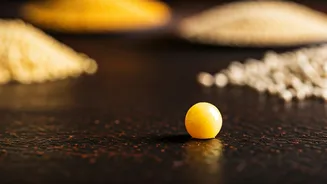
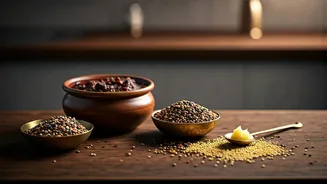
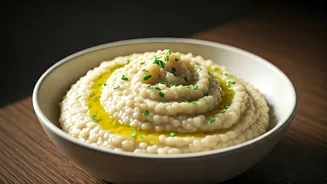
For generations, dalia has been a familiar sight in Indian homes. Known as cracked or broken wheat, it’s essentially whole wheat kernels that have been coarsely milled. This minimal processing ensures it retains a significant portion of the grain's natural
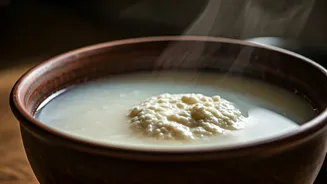
fibre, vitamins, and minerals. Traditionally, it has been served as a simple porridge, often given to children, the elderly, or those recovering from illness due to its easy digestibility. It was the comfort food we were fed when our stomachs were upset, the warm breakfast on a winter morning. But for a long time, its identity was stuck in this 'sick person's food' category, overshadowed by flashier, more convenient breakfast cereals and processed snacks that flooded the market in recent decades.
The Shift Back to Roots
The comeback of vegetable dalia isn't happening in a vacuum. It's part of a larger cultural shift. Indian consumers are increasingly looking inward, rediscovering the wisdom of traditional diets. After a long fascination with Western 'superfoods' like kale, avocados, and quinoa, there's a growing awareness that our own backyards hold nutritional powerhouses that are more affordable, sustainable, and better suited to our bodies. Nutritionists and wellness influencers are championing local grains and millets, and dalia fits perfectly into this narrative. It's a rejection of the idea that healthy eating has to be expensive or involve imported ingredients. This movement is about embracing foods that are culturally familiar and scientifically sound, and dalia is a prime example.
A Modern Nutritional Powerhouse
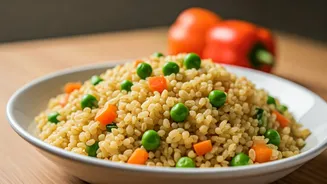
So, what’s driving its renewed popularity from a health perspective? The benefits are impressive. Vegetable dalia is a complex carbohydrate, which means it provides sustained energy without causing the sharp blood sugar spikes associated with refined grains. This makes it an excellent choice for diabetics and anyone looking for stable energy levels throughout the day. It’s packed with dietary fibre, which is crucial for digestive health, promoting regular bowel movements and feeding beneficial gut bacteria. This high fibre content also contributes to a feeling of fullness, making it a powerful ally in weight management. Adding a variety of vegetables to it not only enhances the flavour but also turns a simple bowl of porridge into a complete, nutrient-dense meal, rich in vitamins, minerals, and antioxidants.
Beyond the Breakfast Bowl
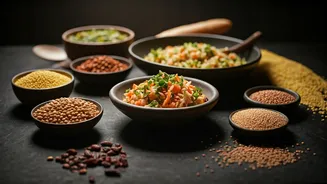
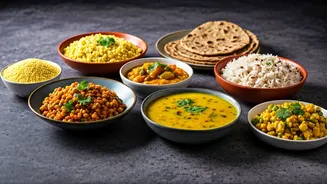
Perhaps the biggest factor in its modern resurgence is its incredible versatility. Chefs and home cooks are creatively reimagining dalia far beyond a simple porridge. Think of it as a healthier, heartier substitute for rice or couscous. You can make a savoury vegetable dalia 'upma' or 'khichdi', loaded with seasonal vegetables and tempered with classic Indian spices. It can be used as a base for hearty salads, mixed with chickpeas, fresh herbs, and a lemon vinaigrette. Some even use it to create patties for burgers or as a filling for wraps. On the sweet side, it can be cooked with milk and jaggery to make a delicious 'kheer'. This adaptability allows it to fit seamlessly into any meal of the day, appealing to a generation that values both health and culinary creativity.
Affordable, Accessible, and Smart
In an era of rising food costs, dalia’s affordability is a major draw. Compared to its trendy counterparts, a packet of dalia is significantly more budget-friendly, making healthy eating accessible to a wider audience. It's readily available in nearly every kirana store and supermarket across the country, requiring no special trips to gourmet food shops. This combination of being nutrient-dense, versatile, affordable, and easy to find makes it a smart choice for anyone looking to improve their diet without overhauling their budget or lifestyle. Its comeback isn't just a trend; it's a return to common sense, proving that sometimes the best health foods have been in our pantries all along.