



The Show Home Ideal
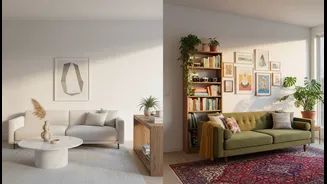
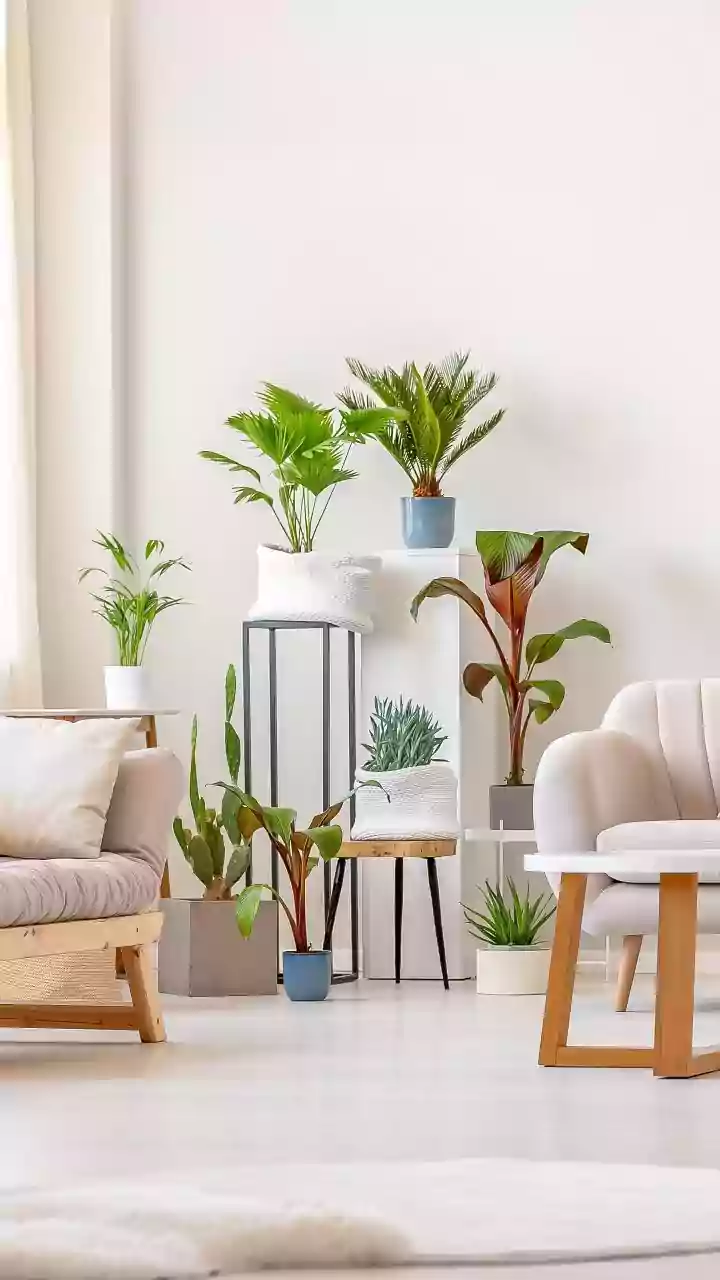
Not long ago, the height of interior design was a kind of untouchable perfection. Inspired by glossy magazines and minimalist social media feeds, the coveted look was clean, spare, and neutral. It was an era dominated by cool greys, stark whites, and open-plan
spaces that felt more like pristine art galleries than actual homes. This aesthetic often prioritised appearance over comfort, creating spaces that were beautiful to look at but could feel cold or impersonal. The pressure to maintain this flawless look was immense, turning homes into stages for a life, rather than places to live it. This often meant hiding away any sign of daily life—books, hobbies, and personal trinkets—to preserve the clean, uncluttered facade.
A Cultural Shift Towards Comfort
The pendulum is now swinging firmly in the other direction. A major catalyst for this change was the global pandemic, which fundamentally altered our relationship with our homes. Forced to spend more time within our own four walls, we began to see them not as assets to show off, but as sanctuaries that needed to support our well-being. This sparked a collective desire for comfort, functionality, and personality. The focus shifted from asking “What’s trending?” to “How do I want this space to feel?” As a result, design has become more emotional and wellness-focused, with a growing emphasis on creating environments that reduce stress and promote relaxation.
Hallmarks of the New Cosy
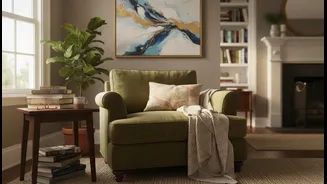
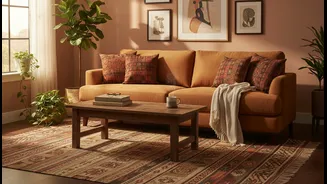
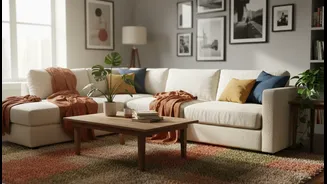
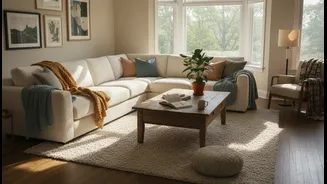
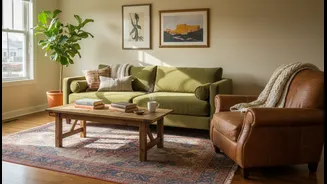
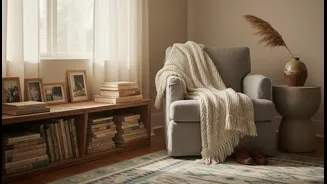
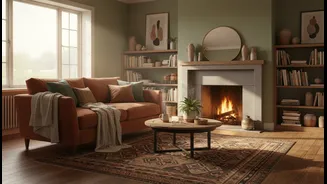
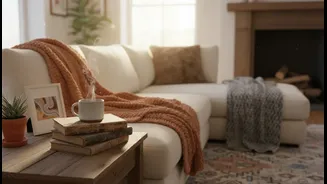
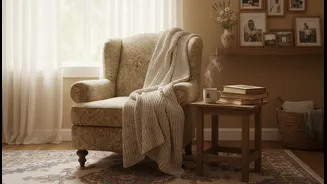
So, what does this new era of relaxed interiors look like? It’s defined by warmth, texture, and personality. Cool tones are being replaced by warm, earthy palettes like terracotta, sage green, and sandy beiges. Instead of flat, minimalist surfaces, there's a love for tactile materials like natural woods, stone, boucle fabrics, and handmade tiles that add depth and a sense of craftsmanship. Curved furniture—like rounded sofas and arched doorways—is softening the sharp lines of modernism, creating a more gentle and inviting flow. The look is layered and collected, championing a mix of old and new. Antiques and thrifted finds mingle with contemporary pieces to tell a personal story.
Embracing Imperfection and Personality
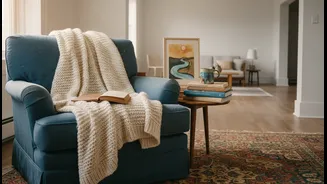
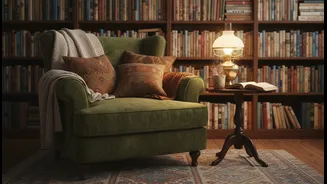
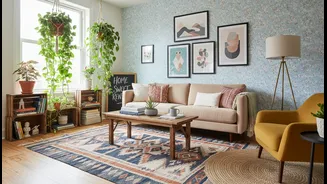
Perhaps the biggest change is the rejection of perfectionism. Trends like “cluttercore” and “dopamine decor” encourage homeowners to surround themselves with things that bring them joy, even if it creates a less-than-minimalist look. The goal is no longer a generic, universally appealing space, but one that is a unique reflection of its inhabitants. This means displaying books, stacking art, and showcasing collections of personal objects. It’s about creating an atmosphere that feels lived-in and authentic, where a stray cushion or a stack of magazines isn’t a flaw, but a sign of life. This approach, rooted in personal expression, is creating homes that feel more soulful and deeply connected to the people who live in them.
Making It Your Own in India
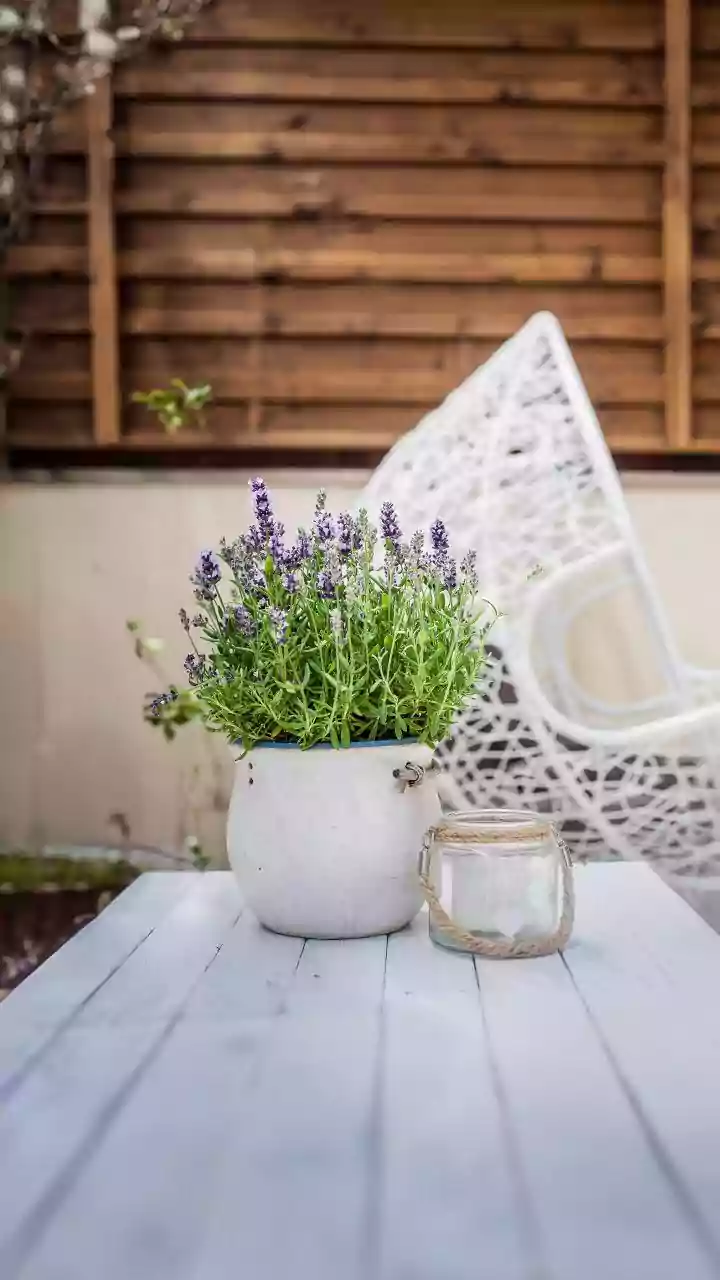
This global shift towards warmth and personality resonates strongly with traditional Indian design principles, which have long celebrated rich textures, craftsmanship, and vibrant cultural elements. Homeowners in India are finding new ways to blend contemporary comfort with heritage. This can be seen in the use of sustainable and natural materials like reclaimed wood, jute, and bamboo, which add an earthy authenticity. There's also a renewed appreciation for artisanal crafts, with handwoven textiles, intricately carved furniture, and folk art being integrated into modern homes. This fusion creates spaces that are not only cosy and personal but also deeply rooted in cultural identity, moving beyond fleeting trends to create timeless sanctuaries.