








A Heritage Shaped from Clay
In a world dominated by mass production, India's pottery tradition stands as a testament to the endurance of handmade craftsmanship. More potters practice their trade in India than in any other country, continuing a legacy that stretches back to the Indus
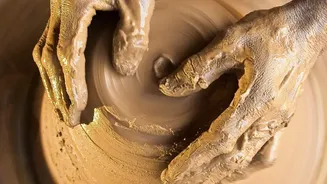
Valley Civilization. This is not a static art form relegated to history books; it is a living, breathing part of the cultural fabric, from the Kumhar communities of Bihar to the artisans of Bengaluru's Pottery Town. These craftspeople use skills passed down through countless generations, transforming simple clay into objects of both utility and beauty, including pots for cooking, storing water, and for use in religious rituals.
Techniques from a Timeless Mould
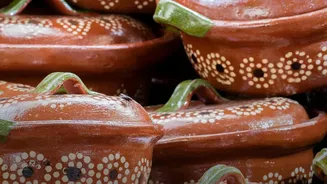
Across the country, distinct regional styles showcase a rich diversity of techniques. In Khurja, Uttar Pradesh, known as India's 'Ceramic City', artisans create glazed pottery with Persian influences, a tradition over 600 years old. Their work, which now holds a Geographical Indication (GI) tag, is known for intricate hand-painted floral patterns. Meanwhile, in Gundiyali village in Kutch, Gujarat, the local craft has an uncanny resemblance to pottery found in Harappan excavations. Potters here source their mud from a specific area 45 km away and use natural materials like 'geru' to achieve a distinct red colour, painting geometric patterns that connect their work to an ancient aesthetic. In Molela, Rajasthan, craftspeople are famous for their terracotta plaques, which are moulded by hand to depict deities and scenes from mythology, a practice that has been sustained for over 800 years.
The Cracks in the Tradition
Despite its rich history, the survival of traditional pottery is fraught with challenges. Potters face stiff competition from cheaper, mass-produced plastic and factory-made goods. The rising cost of raw materials is another significant hurdle; where clay was once freely sourced from riverbanks, pollution and environmental changes now force many artisans to purchase it at high prices, squeezing their already thin profit margins. Climate change presents further difficulties, as extreme heat and erratic rainfall disrupt the crucial drying and firing processes. Furthermore, many younger members of potting communities are moving to urban areas for different careers, creating a shortage of skilled labour and threatening the generational transfer of knowledge.
A Future Fired in Hope
Yet, there is a quiet resurgence underway. A growing appreciation for eco-friendly and handcrafted goods is breathing new life into the sector. Artisans are innovating by blending traditional techniques with contemporary designs to appeal to modern tastes, creating everything from sleek tableware to decorative items. In places like Gundiyali, potters have expanded their product range to include terracotta water bottles and piggy banks, catering to urban buyers. The rise of e-commerce platforms has also been transformative, allowing craftspeople from villages like Khurja to sell their work directly to a global audience, telling the story behind each piece. These ventures, along with government and NGO initiatives aimed at providing training and support, are helping to ensure that the potter's wheel continues to turn for generations to come.