





The Real Cost of Wasted Food
It’s easy to toss out a wilted bunch of coriander or forgotten leftovers without a second thought. But this waste adds up. In India, it's estimated that around one-third of all food is spoiled or wasted before it's even eaten. Some reports suggest this amounts
to roughly 67 million tonnes of food annually, valued at approximately ₹92,000 crores. This isn't just a loss for the economy; it’s a strain on the environment, as decomposing food in landfills releases potent greenhouse gases. At home, this waste directly hits your wallet. Studies have shown that a significant portion of household food waste comes from buying too much, poor planning, and not using food before it expires. By simply planning ahead, you can make a tangible difference to your bank account and the planet.
Getting Started: Your 5-Step Meal Plan
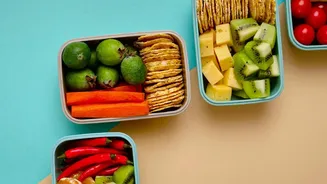
Meal planning doesn’t have to be complicated. It's about making intentional choices to avoid stress and waste. Start small by planning for just two or three days a week. 1. Conduct a Pantry Audit: Before you even think about a list, look at what you already have. Check your fridge, freezer, and cupboards. What needs to be used up soon? Build your first few meals around these items. 2. Map Out Your Meals: Look at your schedule. On busy nights, plan for quick meals or leftovers. On quieter days, you might try a new recipe. Write down what you'll eat for breakfast, lunch, and dinner. Having a go-to list of 5-10 favourite family meals can make this step much faster. 3. Make a Smart Shopping List: Based on your meal map and pantry audit, write down exactly what you need to buy. This prevents impulse purchases, which are a major cause of both overspending and food waste. Stick to your list at the store. 4. Prep for Success: You don't have to cook everything at once. Simply chopping vegetables, marinating meats, or cooking a batch of rice ahead of time can make weekday cooking much faster and less stressful. 5. Store Food Properly: Learn the best ways to store different foods to extend their life. For example, purée wilting herbs with olive oil and freeze them in ice cube trays for future use. Proper storage ensures your planned ingredients stay fresh until you need them.
Think Before You Throw: A New Life for Scraps
Many of the 'scraps' we throw away are actually valuable ingredients in disguise. Adopting a 'root-to-stem' cooking philosophy can unlock new flavours and textures. Instead of binning vegetable peels, stems, and ends, save them in a bag in the freezer. Once you have enough, simmer them with water to create a flavourful homemade vegetable broth at zero cost. Coffee grounds can be used as a nitrogen-rich fertiliser for your plants or as a natural skin exfoliant. Citrus peels can be used to make a simple, fragrant cleaning solution by infusing them in vinegar. You can also dry the zest to add to baked goods or make a zesty salt rub for fish and chicken. Stale bread can become croutons for soup or be ground into breadcrumbs. Even apple peels and cores can be simmered with a cinnamon stick to make a delicious, warming tea. Getting creative with scraps is not only resourceful but also a rewarding way to honour the food you buy.
A Small Plan with a Big Impact
The connection between your weekly meal plan and the goals of World Food Day is direct and powerful. The global food system is under immense pressure, and reducing waste is a critical part of ensuring there is enough for everyone. When you plan your meals, you reduce demand for over-production, conserve the resources like water and energy used to grow food, and decrease the amount of methane-producing waste sent to landfills. It’s a simple act of personal responsibility that aligns with a global movement for a sustainable future. By turning the challenge of 'What's for dinner?' into a structured, thoughtful process, you not only bring calm and control to your own household but also contribute to a healthier planet and a more equitable food system.