


The Annual Commuter Crisis
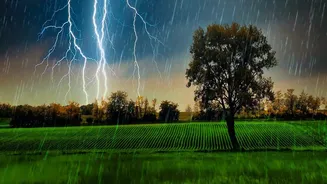
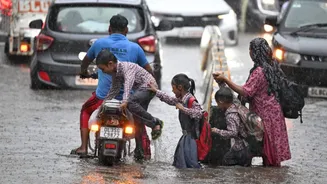
For millions of Indians in cities like Mumbai, Delhi, and Gurugram, the monsoon brings a familiar, frustrating ritual. The relief of rain is quickly replaced by the dread of the journey home. Waterlogged roads bring traffic to a standstill, while public
transport systems are overwhelmed. This is when the true test of last-mile connectivity begins—and consistently fails. Auto-rickshaw drivers frequently refuse shorter fares or demand exorbitant flat rates. App-based services like Ola and Uber, once hailed as the solution, become part of the problem. Commuters report fares surging by up to five times the normal rate, turning a simple ride into a significant financial burden. Stories of being charged ₹700 for a 1.8 km trip are not uncommon, highlighting a system that capitalizes on desperation. This isn't just an inconvenience; it's a predictable market failure that happens every time it rains.
What 'Verified' Transport Really Means
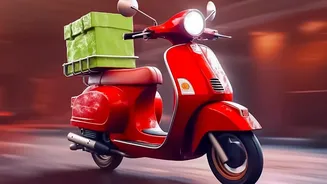
The term 'verified' last-mile transport goes beyond just another ride-hailing app. It represents a system built on reliability, safety, and transparency—three things that vanish during a downpour. A verified service would mean drivers who are background-checked and professionally trained, not just gig workers. It implies a fleet of vehicles that are well-maintained and equipped to handle adverse conditions where possible. Crucially, it means price stability. While some fluctuation is expected, the predatory surge pricing seen during monsoons is unacceptable for what has become an essential service. Verification is also about safety. It could involve mandatory real-time tracking that can be shared with family or a central security desk, panic buttons that are monitored, and a zero-tolerance policy for ride cancellations after booking. It’s about building a service that commuters, particularly women, can rely on without a second thought, regardless of the weather.
The Flawed Logic of Surge Pricing
Defenders of surge pricing argue that it’s a simple matter of supply and demand, designed to entice more drivers onto the roads when demand is high. While this logic holds in a normal market, a city paralysed by heavy rain is not a normal market. It is a localized, temporary crisis. In this context, surge pricing functions less as an incentive and more as a penalty. It punishes those who cannot work from home and those who rely on public transport to get to their jobs. Fewer drivers are willing to operate on flooded roads due to the risk of vehicle damage and longer trip times, so the 'supply' argument often falls flat. Instead of creating availability, extreme surge pricing simply prices out a huge portion of the population, leaving them stranded. A system that makes basic mobility unaffordable during a moment of vulnerability is not a solution; it's an exploitation of circumstance.
Building a Better Last Mile
So what does a better system look like? The seeds of it already exist. Some corporations have started arranging verified transport for their employees, partnering with logistics companies that provide vetted drivers and fixed rates. This model could be expanded, with metro stations and business parks becoming hubs for such services. These could be community-driven cooperatives or public-private partnerships that prioritize service availability over pure profit maximization during peak-stress events. Tech companies in the logistics space are already developing sophisticated platforms for route optimization and driver management. Applying this technology with a focus on public utility, rather than just e-commerce delivery, could revolutionize urban commuting. A 'verified' system could feature a subscription model for frequent users, offering them priority and price guarantees, ensuring that daily commuters are not left at the mercy of volatile algorithms.