


More Nature, Less Austerity
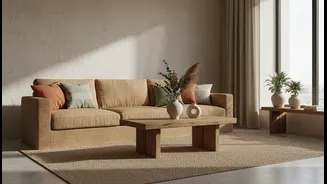
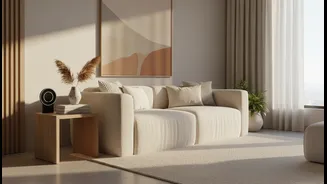
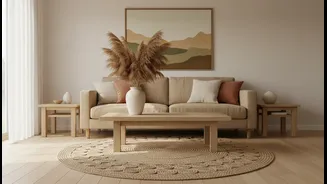
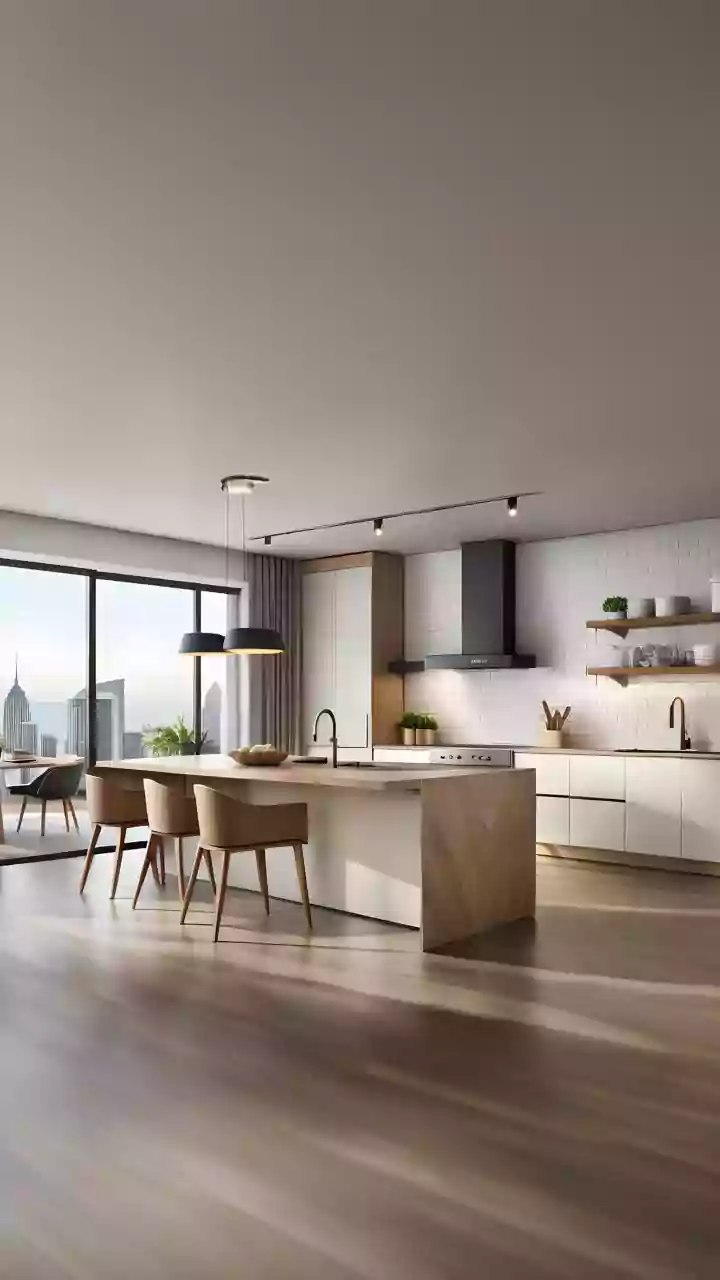
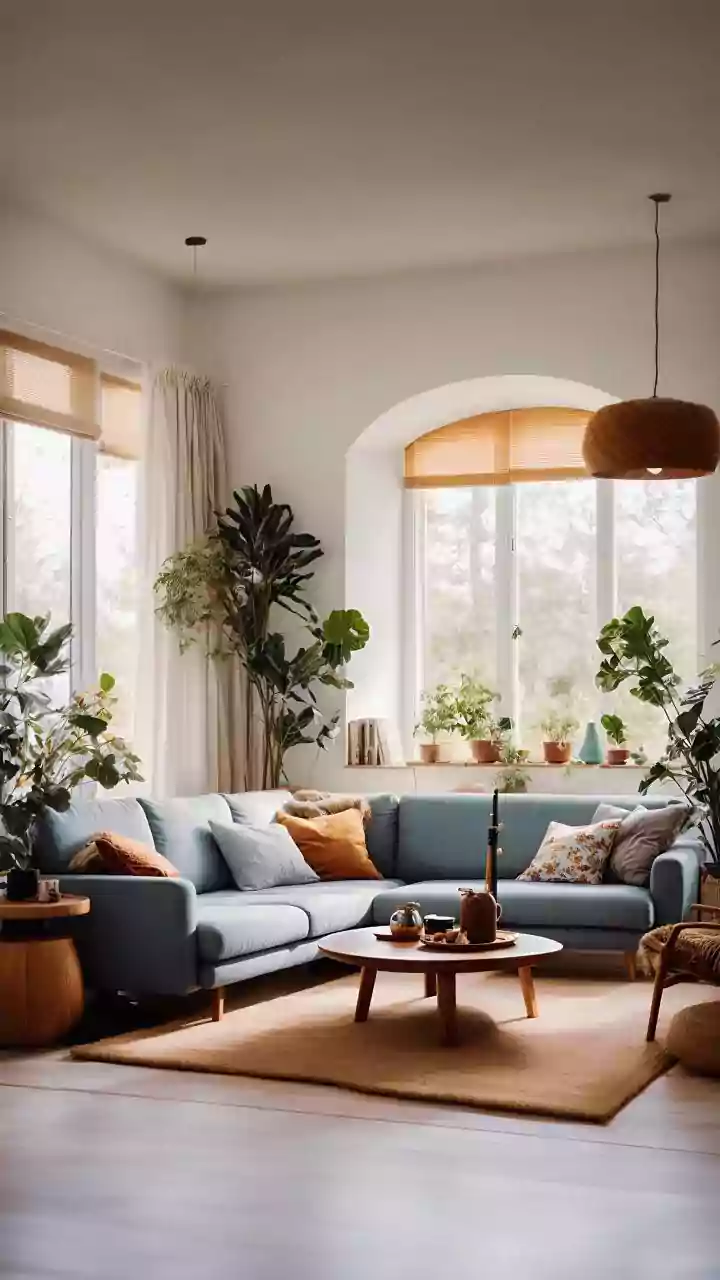
Earthy minimalism, sometimes called warm minimalism, blends the clean, uncluttered principles of traditional minimalism with the organic warmth of nature. Instead of focusing purely on owning less, this approach encourages surrounding yourself with intentional
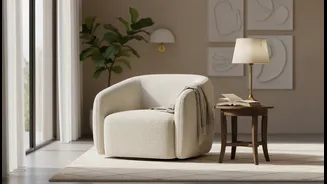
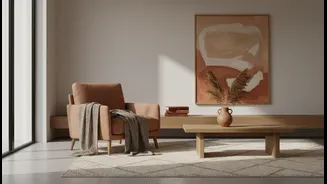
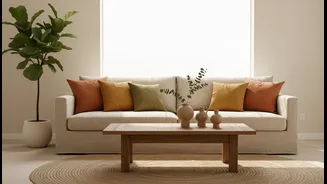
pieces that are both beautiful and purposeful. The goal isn’t a cold, impersonal space, but a serene and restorative one. It swaps rigid rules for a gentler philosophy rooted in natural materials, soft textures, and a colour palette inspired by the outdoors—think muted greens, warm browns, terracotta, and creamy off-whites. It’s a design approach that feels both modern and timeless, creating a home that is deeply welcoming.
The 'Less Friction' Philosophy
The core idea of earthy minimalism is to reduce the small, everyday obstacles that create stress and mental clutter. In our homes, this 'friction' might be the visual noise of clutter, a layout that blocks easy movement, or the stress of maintaining too many possessions. By curating a space with intentionality, you create a home that supports your well-being. Studies have shown that organised, decluttered environments can lower stress and improve focus. Earthy minimalism achieves this by prioritising items that are not only functional but also bring a sense of calm and joy. When your environment is harmonious and everything has its place, daily routines become smoother, your mind feels clearer, and your home becomes a true sanctuary from the overstimulating outside world.
Bringing the Outdoors In
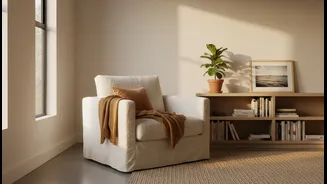
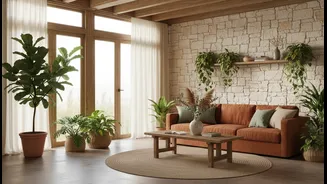
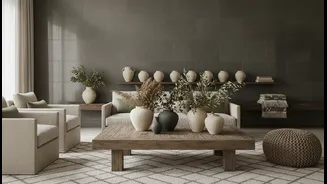
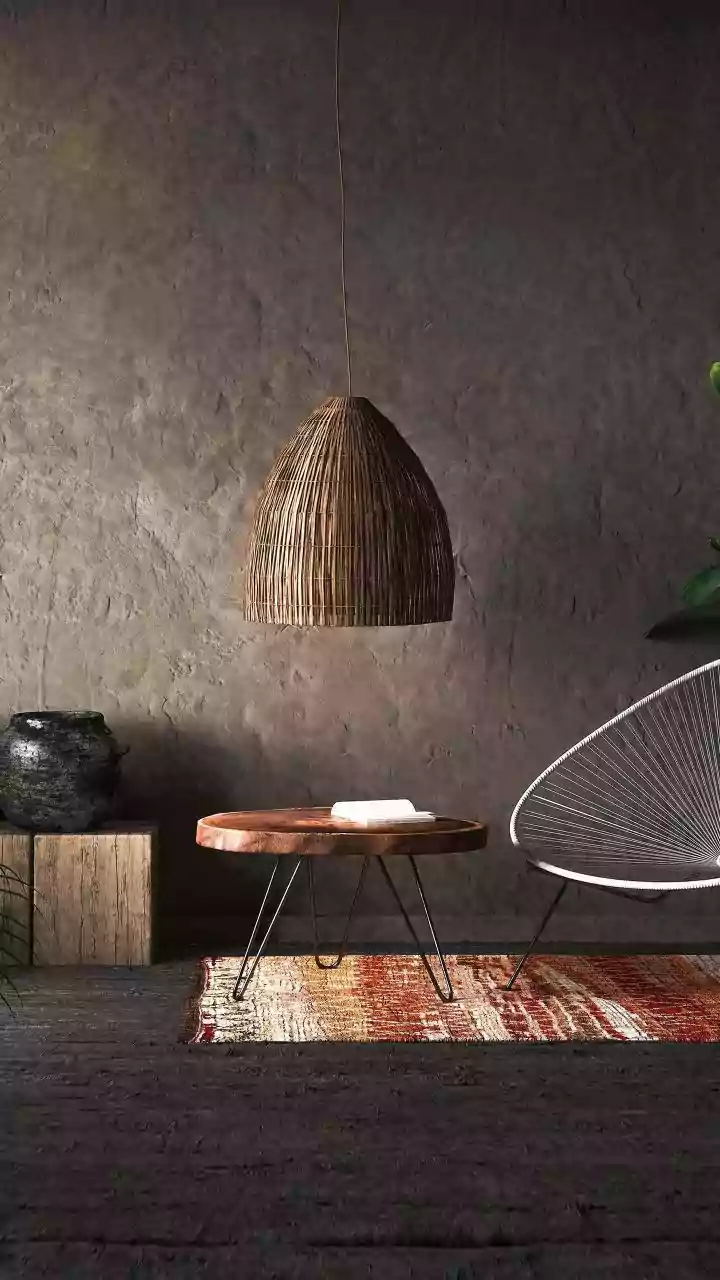
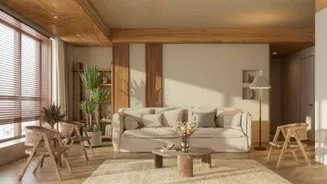
The signature of an earthy minimalist home is its use of natural materials. These elements add texture, depth, and a vital connection to the outdoors. Wood is a foundational material, used in flooring, furniture, and accent pieces for its inherent warmth. Stone, whether in countertops or decorative objects, provides a sense of permanence and grounding. Textiles are crucial for adding softness and comfort; think linen curtains, wool rugs, jute baskets, and cotton throws. These materials are not just aesthetically pleasing; they often age gracefully, developing more character over time. The look is completed with plenty of natural light and the addition of indoor plants, which bring life and freshness into the space.
A Mindful Lifestyle, Not Just a Look
While it has a distinct aesthetic, earthy minimalism extends beyond interior design into a broader lifestyle choice. It encourages mindful consumption, favouring quality over quantity and choosing items that are built to last. This approach is inherently sustainable, as it involves buying less, choosing natural and renewable materials, and reducing waste. This intentionality can flow into other areas of life, from creating a capsule wardrobe with versatile pieces to simplifying daily routines. By focusing on what truly adds value, you free up time, money, and mental energy for experiences and connections rather than possessions. It becomes a practice of living with greater purpose and a lighter footprint on the planet.
How to Start Small
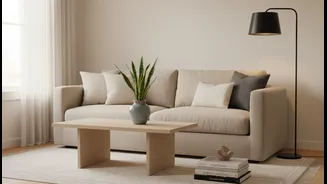
Adopting an earthy minimalist approach doesn't require a complete overhaul. The key is to make small, thoughtful changes. Begin by decluttering one area of your home with intention, keeping only what serves a purpose or brings you genuine joy. Instead of adding clutter, focus on layering textures to create interest, such as placing a wool blanket over a simple sofa. Introduce natural elements gradually, perhaps starting with a few wooden accent pieces, some simple ceramic pots, or a new set of linen bedding. Pay attention to lighting; swapping harsh overhead bulbs for warmer, layered light sources can dramatically change the mood of a room. The journey is about progress, not perfection, and finding what creates a sense of ease in your own space.