





A Ritual Forged in Rain and Fire
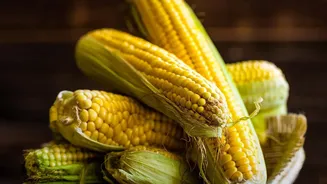
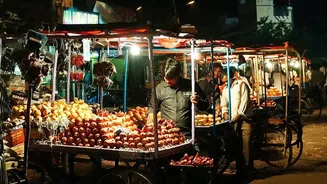
As the monsoon season reaches its peak in August, roadside vendors known as 'bhuttawallas' become a familiar sight on street corners. They stand behind mounds of fresh corn, their mobile carts equipped with a small coal furnace that glows with embers.
The air fills with the crackle of roasting husks and a distinct, smoky aroma that is inextricably linked with the Indian monsoon. This isn't just about food; it's a ritual. The sight of a bhuttawala fanning the coals, expertly turning the cobs until they are perfectly charred, is a classic rainy-day scene that invokes a deep sense of nostalgia and comfort for many.
More Than Just Corn
What makes this snack, known as bhutta, so special is its preparation. It is almost always desi makai, or Indian corn, which is less sweet and starchier than its American counterpart, giving it a satisfyingly chewy texture. The corn is roasted directly over hot coals, which imparts a smoky flavour that cannot be replicated. Once roasted, the real magic happens. The bhuttawalla takes half a lemon, dips it into a mixture of salt, red chilli powder, and sometimes chaat masala, and rubs it generously over the hot kernels. This combination of smoky, tangy, spicy, and salty is the defining taste of the monsoon for countless people.
An Experience for All the Senses
The appeal of bhutta goes far beyond its taste. It's a full sensory experience that perfectly complements the rainy weather. The warmth of the freshly roasted cob is a comforting contrast to the cool, damp air. The spicy and tangy flavours seem to cut through the humidity, providing a jolt of brightness on an overcast day. Even the act of eating it—holding the hot cob and biting into the juicy, charred kernels—is part of the charm. This experience, of huddling under an awning while the rain falls, enjoying a simple, hot snack, is a cherished memory and an ongoing tradition.
The People's Snack
While pakoras and samosas are also beloved monsoon companions, bhutta holds a unique place. It's widely seen as a healthier option compared to deep-fried snacks, as it is simply roasted or sometimes steamed. This guilt-free aspect adds to its appeal. Furthermore, its affordability and widespread availability make it a truly democratic snack, enjoyed by people from all walks of life. From bustling city streets to quiet mountain roads, the humble bhutta is a unifying flavour of the season, a simple pleasure that people eagerly look forward to year after year.
Tradition in a Modern World
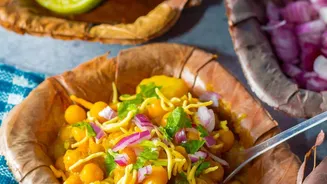
Even as culinary trends evolve, the classic charcoal-roasted bhutta remains a constant. While some urban cafes and vendors now offer modern variations like boiled sweet corn cups with various toppings, the traditional preparation continues to dominate the streets. The enduring popularity of this snack is a testament to the power of food to evoke memory and a sense of belonging. It’s more than just a seasonal craving; it’s a cultural touchstone that connects generations to the simple, profound joy of the Indian monsoon.