




From Leftover to Level-Up
The humble roti is a cornerstone of our daily meals, but its leftover form can be less than inspiring. Once a chapati loses its fresh, pliable texture, it becomes dry and difficult to enjoy with dal or sabzi. This often leads to the guilt of throwing
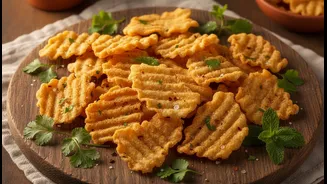
away food. The tradition of zero-waste cooking, however, is deeply ingrained in Indian culinary wisdom. Transforming leftovers isn't just about being frugal; it's a creative challenge. Roti chips are the perfect answer—a modern snack that honours this age-old principle. Instead of seeing a stack of stale rotis as a problem, view it as the first step towards creating an irresistibly crispy, munchable treat that rivals any store-bought packet of chips.
The Roti Chip Blueprint: Your Method
Making roti chips is wonderfully simple and adaptable to any kitchen. You can choose to bake, air-fry, or deep-fry them based on your preference for health and crunch. For all methods, start by cutting your leftover rotis into triangles, much like nachos. A pizza cutter works beautifully for this. For Baking: This is the healthiest route. Preheat your oven to 180°C. Toss the roti triangles in a bowl with a tablespoon of oil or ghee, ensuring they are lightly coated. Spread them in a single layer on a baking tray and bake for 8-10 minutes, or until they are golden brown and crisp. Keep a close eye on them, as thickness can vary. For Air Frying: For a quick, low-oil crunch, the air fryer is your best friend. Preheat it to 180°C. Place the oiled and seasoned roti pieces in a single layer in the air fryer basket. Air fry for about 5-7 minutes, shaking the basket halfway through, until they achieve a perfect crispness. For Frying: This is the most indulgent method, reminiscent of how many of us enjoyed them as children. Heat oil in a pan and deep-fry the roti triangles for 1-2 minutes until they are crispy and golden. Drain them on a paper towel to remove excess oil before seasoning.
Mastering the Masala
The real fun begins with the flavourings. A basic seasoning of salt, red chilli powder, and chaat masala is a classic for a reason—it’s a taste of nostalgia. But don't let that limit your creativity. You can customise your roti chips to suit any palate or craving. For an Italian twist, toss them with dried oregano, garlic powder, and a pinch of chilli flakes. A Mexican-inspired version could use paprika and cumin powder. For kids who might not enjoy spice, a simple sprinkle of salt and pepper or even a light dusting of cheese powder works wonders. A sweet version is also an option; a sprinkle of cinnamon and sugar can turn them into a delightful dessert snack. The key is to add your seasonings right after cooking, while the chips are still warm and the oil can help the spices adhere.
Perfect Pairings and Serving Suggestions
Roti chips are fantastic on their own, but they truly shine when served with a dip. Think beyond the standard tomato ketchup. They make a perfect, sturdy vehicle for creamy hummus, tangy mint-coriander chutney, or a simple yogurt dip seasoned with cumin. For a party snack, serve them as 'desi nachos,' layered with spicy rajma, chopped onions, tomatoes, and a generous drizzle of yogurt or melted cheese. They also pair beautifully with guacamole or a fresh tomato salsa, offering an Indian take on a global favourite. The crunchy texture provides a satisfying contrast to the smoothness of the dips, making it a snack that hits all the right notes.
Beyond the Chip: More Roti Reinventions
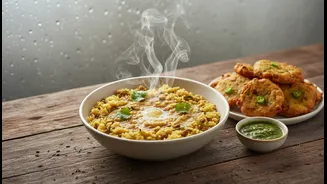
Embracing the no-waste philosophy opens up a world of possibilities for leftover rotis. If you’re feeling adventurous, you can thinly slice the chapatis into noodles and toss them in a quick stir-fry with vegetables and soy sauce for a 'roti noodle' dish. Another popular option is to crumble the rotis and sauté them with onions, tomatoes, and spices to make a savoury breakfast dish known as Roti Upma or Bhurji. For those with a sweet tooth, crumbling stale rotis and mixing them with jaggery and ghee creates a traditional and delicious Roti Ladoo. Each of these recipes proves that with a little imagination, yesterday’s leftovers can easily become today’s star dish.