





Why High Humidity Disrupts Your Skin
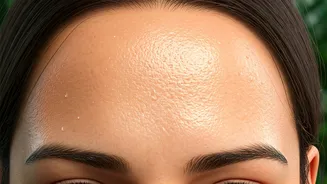
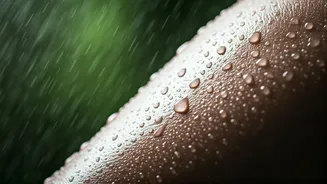
You might think the moisture in the air during rainy weather is a natural hydrator, but it's a double-edged sword. High humidity signals your skin's sebaceous glands to produce more oil (sebum). This excess oil mixes with sweat and environmental pollutants,
creating a sticky film that clogs pores. This environment is the perfect breeding ground for acne-causing bacteria, leading to an increase in breakouts, blackheads, and overall congestion. Furthermore, the constant moisture can disrupt your skin's natural barrier and even slow down its natural exfoliation process, causing dead skin cells to accumulate.
Common Skin Problems During the Monsoon
The combination of high humidity, heat, and moisture creates a perfect storm for various skin issues. Acne is a major concern, especially for those with oily or combination skin, as clogged pores become inflamed. Fungal infections like ringworm and athlete's foot also thrive in these damp conditions. Many people experience flare-ups of chronic conditions like eczema and dermatitis, as irritants and allergens in the moist air can aggravate sensitive skin. You might also notice heat rash (miliaria) on your back or chest due to blocked sweat glands.
Adapt Your Cleansing Routine
During the rainy season, cleansing is your first line of defense. It's essential to wash your face twice a day to remove the build-up of oil, dirt, and sweat. Opt for a gentle, pH-balanced, or gel-based cleanser. Those with acne-prone skin may benefit from a cleanser containing salicylic acid to help keep pores clear. It’s tempting to wash your face more often when it feels sticky, but over-cleansing can strip your skin of its natural oils, triggering it to produce even more sebum in response.
Switch to a Lightweight Moisturiser
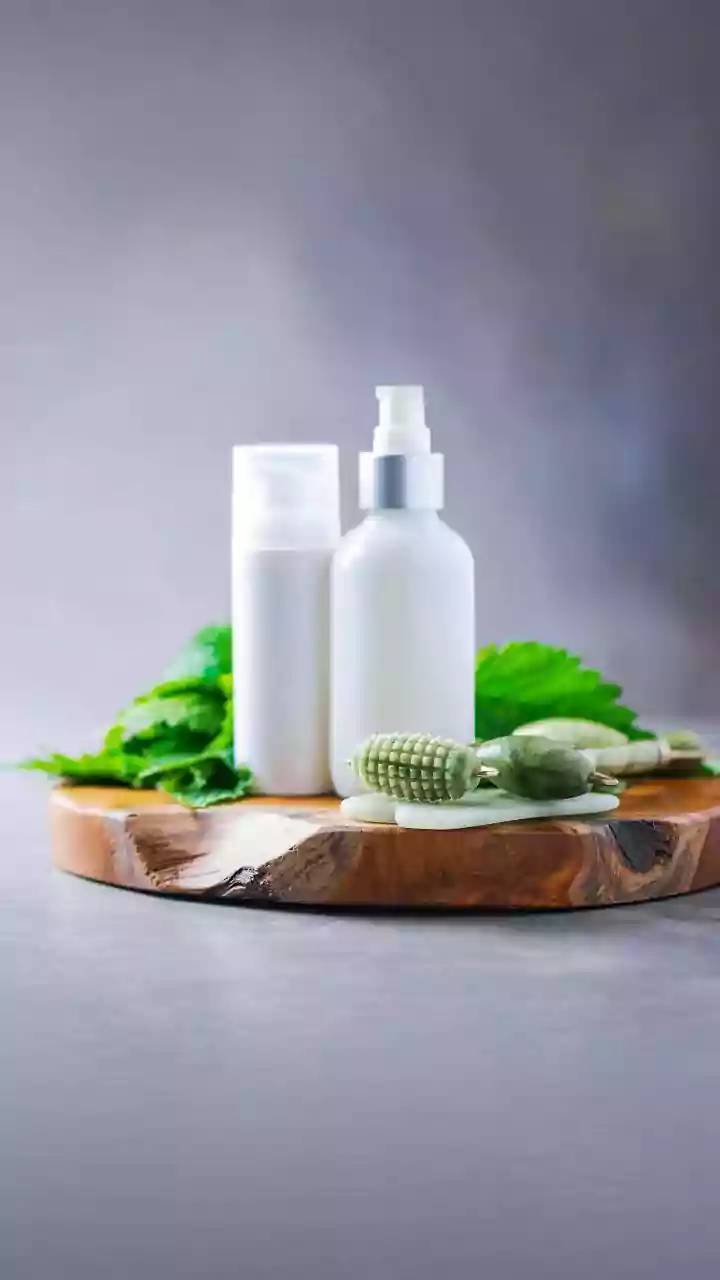
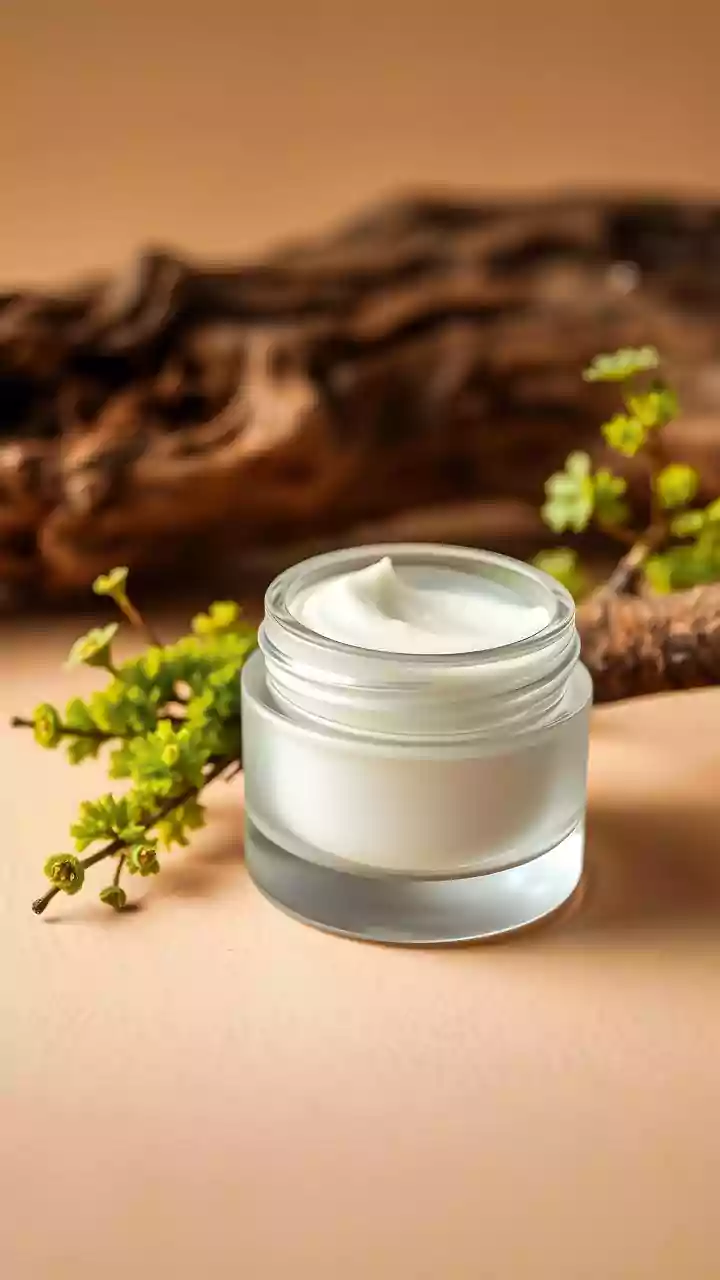
One of the biggest mistakes people make in humid weather is skipping moisturiser, assuming the air provides enough hydration. However, your skin still needs moisture. Dehydrated skin can actually produce more oil to compensate. The key is to swap heavy creams for lightweight, non-comedogenic (pore-clogging) formulas. Look for gel or water-based moisturisers containing ingredients like hyaluronic acid, which hydrates without adding greasiness.
Don’t Skip the Sunscreen
Don't let cloudy skies fool you; sunscreen is non-negotiable, even when it's raining. Up to 80% of the sun's harmful UV rays can penetrate through clouds, contributing to premature aging and hyperpigmentation. For humid conditions, choose a lightweight, broad-spectrum sunscreen with an SPF of 30 or higher. Gel or fluid formulas are excellent choices as they won't feel heavy or greasy on the skin.
Exfoliate, But Gently
With the skin’s natural shedding process slowed by humidity, exfoliation is key to remove dead skin cells and prevent clogged pores. However, it's crucial not to overdo it, as this can damage the skin barrier. A mild chemical exfoliant with ingredients like salicylic or lactic acid, used once or twice a week, is often more effective and less irritating than harsh physical scrubs.
Lifestyle Habits for Healthy Skin
Beyond products, simple daily habits can make a huge difference. Stay hydrated by drinking plenty of water to help flush out toxins and maintain skin health from within. It's also important to change out of damp or wet clothes as soon as possible to prevent fungal infections. Finally, try to avoid heavy, pore-clogging makeup; opt for lighter, water-based products to allow your skin to breathe.