






The Essence of Sattvik Food
Rooted in the ancient principles of Ayurveda and Yoga, a Sattvik diet is centred on foods that are pure, fresh, and full of 'prana', or life force energy. The word 'Sattvik' itself is derived from the Sanskrit 'sattva,' which means balance, harmony, and clarity.
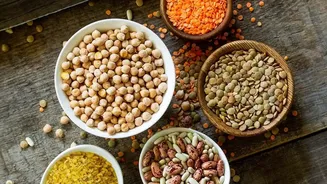
This culinary philosophy prioritises seasonal vegetables, fruits, whole grains, legumes, and certain dairy products, all prepared with minimal processing. The goal is to consume food that is light, easy to digest, and calming for both the mind and body. This approach avoids heavily processed, fried, or stale foods, as well as strong stimulants, believing they create imbalance. During festivals, when we are often surrounded by heavy or overly stimulating foods, a Sattvik meal provides a grounding and restorative alternative.
Why Whole Spices Reign Supreme
A cornerstone of Sattvik cooking is the mindful use of spices—not just for flavour, but for their therapeutic properties. Ayurveda teaches that spices are essential for digestion and should be a part of every meal to avoid blandness, which is considered hard to digest. There is a strong preference for using whole spices over pre-ground powders. Whole spices, when freshly ground or gently bloomed in ghee or oil, release their aromatic essential oils at the moment of cooking. This not only provides a more vibrant flavour but is also believed to preserve their medicinal qualities and digestive potency. Ground spices lose their aroma and potency more quickly, while whole spices can be stored for much longer, ensuring every meal gets the freshest and most effective digestive boost.
The Digestive Powerhouses in Your Spice Box
Several key spices are celebrated in Ayurveda for their ability to support 'Agni', the digestive fire responsible for breaking down food and absorbing nutrients. These include: Cumin (Jeera): Known for stimulating digestive enzymes, cumin helps speed up digestion and can provide relief from gas and bloating. It is a staple for promoting overall intestinal comfort. Coriander (Dhania): Both the seeds and fresh leaves are used to aid digestion. Coriander seeds have cooling properties that can soothe an inflamed digestive tract and are known to help reduce digestive discomfort. Fennel (Saunf): Often chewed after meals in India, fennel seeds are a powerful carminative, helping to relieve gas and abdominal cramps. They contain compounds that relax the muscles of the gastrointestinal system, making them excellent for soothing indigestion. Ginger (Adrak): Considered a 'universal spice' in Ayurveda, ginger is brilliant for kick-starting a sluggish digestive fire. It helps stimulate saliva and bile production, comforting the digestive tract and providing relief from nausea and indigestion.* Turmeric (Haldi): A potent anti-inflammatory, turmeric supports liver function and stimulates bile production, which is crucial for digesting fats. It also helps maintain a healthy balance of gut bacteria.
Bringing Sattvik Principles to Your Festive Table
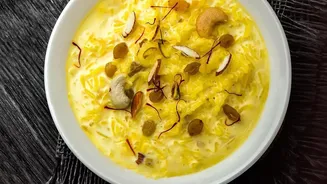
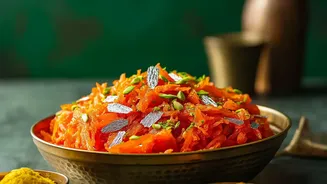
Integrating Sattvik principles into your festive cooking doesn't require a complete overhaul. It's about making conscious, gentle shifts. Instead of deep-frying, consider baking, steaming, or lightly sautéing. Swap out heavy, rich curries for lighter vegetable preparations and simple dals seasoned with digestive-friendly spices. For instance, a festive meal could feature samak rice, a light pumpkin curry, and a refreshing raita. Sweets can also be made the Sattvik way, using natural sweeteners like jaggery or dates and ingredients like bottle gourd (lauki halwa) or fox nuts (makhana kheer). By focusing on fresh ingredients and the right combination of whole spices, you create dishes that are not only delicious and festive but also easy on the digestive system, allowing you to feel energetic and clear-headed throughout the celebrations.