







Rethink Your Hydration Habits
We all know to drink boiled or filtered water during the monsoon, but wellness goes beyond just that. This season, your body's digestion slows down. Guzzling cold water can further dampen your digestive fire, leading to bloating and indigestion. The simple
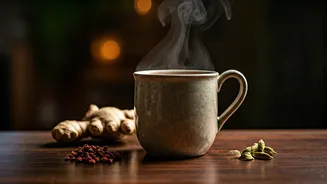
swap? Sip on warm water throughout the day. Better yet, embrace herbal concoctions. A warm cup of ginger-tulsi tea not only aids digestion but also has antibacterial properties that help ward off throat infections. Similarly, light soups and broths are excellent for hydration and nutrition without burdening your gut. This small shift from cold to warm liquids can make a significant difference in how you feel.
Swap Raw Salads for Cooked Veggies
Leafy greens and raw vegetables are usually the picture of health, but they can be risky during the monsoon. The high humidity and moisture create a breeding ground for germs, and it's difficult to wash them away completely. Contamination can lead to stomach infections. The simple solution isn't to abandon vegetables but to change how you eat them. Opt for steamed, stir-fried, or boiled vegetables instead of raw salads. Cooking kills most harmful pathogens. Favour gourds like lauki (bottle gourd) and tori (ridge gourd), which are easy to digest. This doesn't mean giving up greens entirely, but choosing cooked preparations ensures you get the nutrients without the risk.
The 5-Minute Mosquito Check
Vector-borne diseases like dengue, malaria, and chikungunya are at their peak during the rainy season. The fight against mosquitoes starts at home, and it takes less than five minutes a day. Mosquitoes breed in stagnant water. Make it a daily habit to do a quick sweep of your home and balcony. Empty water from plant saucers, check for clogged drains, and don't leave buckets of water uncovered. Even a small bottle cap filled with water can become a breeding spot. Using mosquito repellents is a given, but proactively eliminating their breeding grounds is the most effective long-term strategy. It's a tiny investment of time for a massive payoff in health and safety.
Power Up With Kitchen Spices
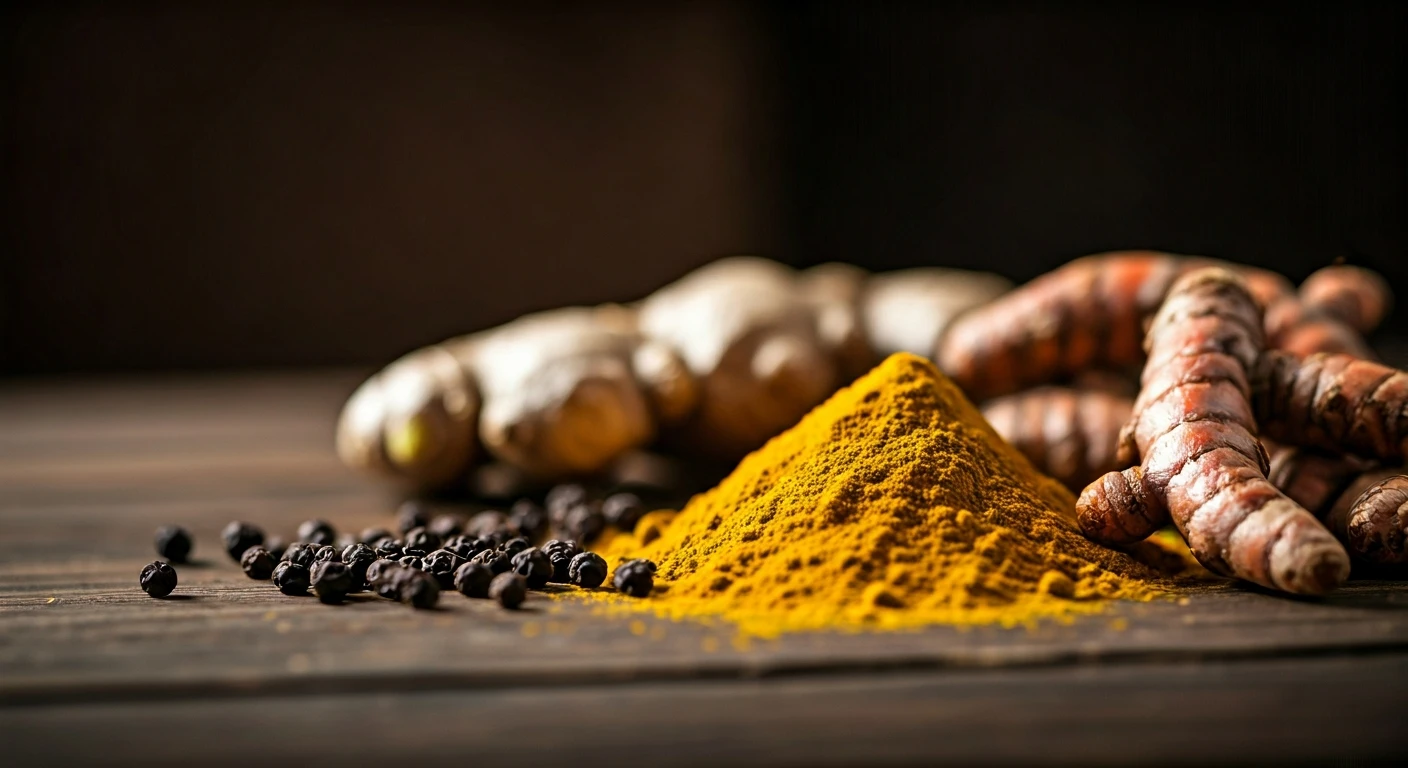
Your masala dabba is a powerful immunity-boosting arsenal, especially during the monsoon. You don't need exotic supplements; just use your everyday spices more intentionally. Turmeric (haldi) is a potent antiseptic and anti-inflammatory. A pinch in warm milk or your daily sabzi can do wonders. Ginger (adrak) is fantastic for fighting colds and improving digestion. Black pepper (kali mirch) helps the body absorb the benefits of turmeric and clears congestion. Garlic (lehsun) is known for its powerful antimicrobial properties. Consciously including these spices in your daily cooking is a simple, inexpensive, and traditional way to fortify your body's defences against seasonal infections.
Keep Your Feet and Skin Happy
Humidity and dampness are enemies of good skin. Fungal infections, especially on the feet and in skin folds, are extremely common. The prevention is surprisingly basic: stay dry. After a shower, take an extra minute to thoroughly dry your body, paying special attention to areas like between your toes and underarms. Avoid wearing wet clothes or shoes for extended periods. If you get caught in the rain, change into dry, comfortable clothes as soon as possible. A light dusting of antifungal powder on your feet before putting on socks can prevent infections. Opt for open-toed footwear like sandals when possible to allow your feet to breathe.