






The Indoor Humidity Trap
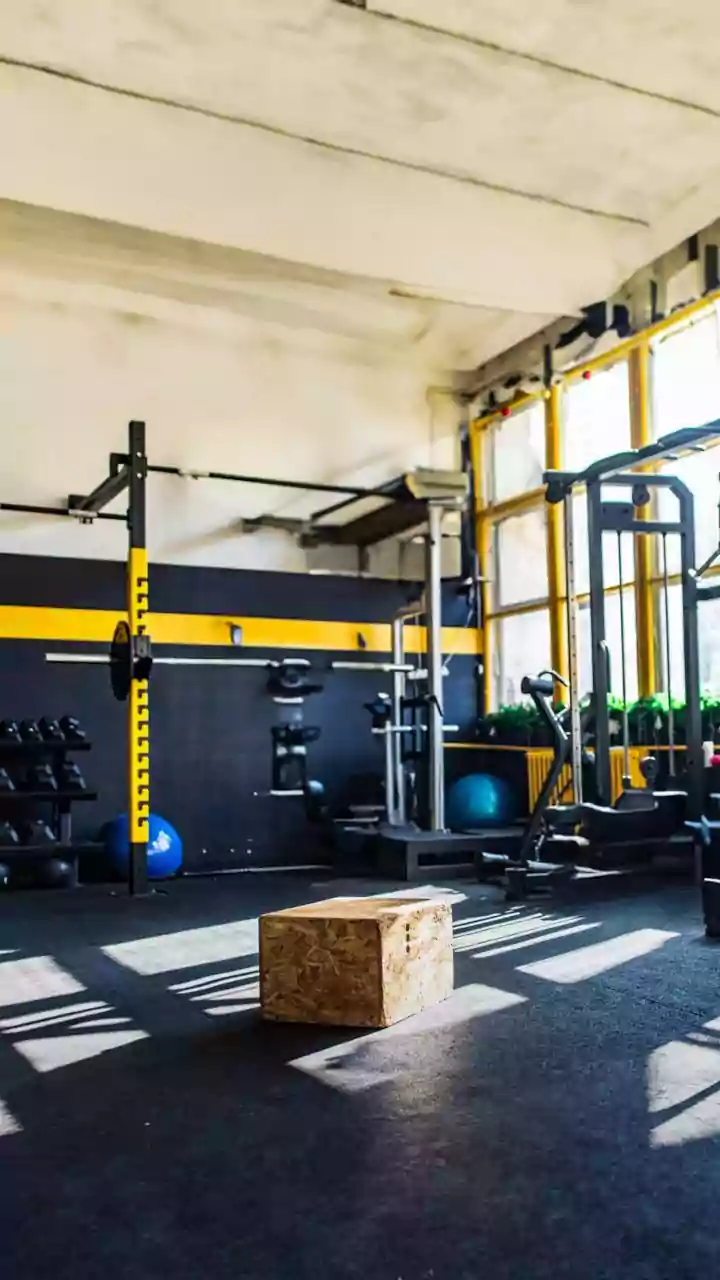
Moving your workout inside to avoid a downpour seems like a smart choice during the monsoon. However, the same high humidity that drenches the outdoors follows you inside. High humidity means the air is already saturated with water vapor. This creates
a challenging environment for your body's primary cooling mechanism: sweating. When you exercise, your body produces sweat, which is designed to evaporate off your skin, taking heat with it. But in a humid room, sweat evaporates much more slowly, if at all. Your body, not feeling the cooling effect, responds by producing even more sweat in an attempt to cool down. This vicious cycle can lead to significant fluid loss without you realizing the full extent of it.
Why You Lose More Than Just Water
Sweat isn't just water; it's a cocktail of essential minerals known as electrolytes. Every drop of sweat that drips off your body carries away sodium, potassium, magnesium, and calcium. During an intense workout in high humidity, these losses can be substantial. Sodium is the electrolyte lost in the greatest amount through sweat. It plays a critical role in maintaining fluid balance, nerve transmission, and muscle contractions. Magnesium is also vital, contributing to muscle function, energy production, and helping to prevent cramps. When you're sweating profusely in a humid indoor setting, you're not just at risk of dehydration from water loss, but also from a significant depletion of these crucial minerals.
Spotting the Sneaky Signs of Dehydration
Thirst isn't always the first or most reliable indicator of dehydration. Often, by the time you feel thirsty, you're already experiencing a degree of fluid loss. The early signs of dehydration during a workout can be subtle and are often mistaken for simple fatigue. These include a sudden drop in performance, feeling unusually tired, muscle tightness, lightheadedness, or a headache. One of the most practical indicators is the color of your urine; a darker yellow suggests you need to hydrate more. During a workout in high humidity, even a lack of sweating can be a serious warning sign, indicating your body is too dehydrated to produce sweat and is at risk of overheating.
The Case for Sodium and Magnesium
While all electrolytes are important, the significant loss of sodium and magnesium during humid workouts makes them a priority for replacement. Replenishing sodium is essential for helping your body retain the fluids you drink, ensuring that water gets delivered to your cells instead of being flushed out. This helps maintain blood volume and reduces strain on your cardiovascular system. Magnesium supports muscle relaxation and can help prevent the debilitating cramps that often accompany intense exercise and electrolyte imbalance. For active individuals, ensuring an adequate intake of both isn't just about performance; it's about fundamental physiological function and safety.
Smarter Hydration Strategies
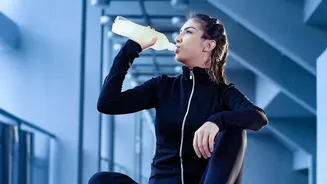
Combating dehydration in a humid environment requires a proactive approach. Don't wait until you're deep into your workout to start drinking. Begin hydrating a couple of hours before you exercise. For workouts lasting longer than an hour, plain water may not be enough. You need to replenish the electrolytes you're losing. An effective hydration strategy involves sipping an electrolyte-rich drink every 15-20 minutes throughout your session. A simple and effective homemade solution can be made by adding a small pinch of salt (for sodium) and a squeeze of lime or a splash of coconut water (for potassium and some magnesium) to your water bottle.
Choosing Your Replenishment Drink
The market is flooded with sports drinks, but not all are created equal. Look for options that specifically contain sodium and magnesium. Many commercial sports drinks are effective and are formulated to provide an optimal balance of electrolytes and carbohydrates for energy. However, you can also opt for natural alternatives. Coconut water is a great natural source of potassium and other electrolytes. You can create your own powerful electrolyte drink by mixing coconut water with regular water, a pinch of sea salt, and a dash of maple syrup or fruit juice for energy and flavor. The key is to find a solution that works for your body and your workout intensity.