






Why You Need a Monsoon-Specific Plan
Travelling during the monsoon isn't like a trip at any other time of year. The season brings with it a specific set of risks that demand extra vigilance. Heavy rainfall can lead to waterlogged roads, making driving treacherous and causing significant
delays. In hilly and mountainous regions, the danger of landslides is very real, potentially cutting off routes for days. Beyond the logistical hassles, there’s an increased risk of waterborne diseases and mosquito-borne illnesses like dengue and malaria. While popular destinations are often less crowded and more affordable, these potential issues make careful planning essential for a safe and enjoyable holiday.
Your Primary Source: The Weather Department
Your first and most important step is to become familiar with the India Meteorological Department (IMD). The IMD is the official source for weather warnings and provides detailed, location-specific forecasts. Before and during your trip, regularly check the IMD website for colour-coded alerts (green, yellow, orange, and red) which indicate the severity of expected weather. These advisories warn of potential heavy rainfall, flooding, and other hazards. This information will help you decide if your chosen destination is safe or if you need to alter your plans. Many weather apps also source data from the IMD, offering a convenient way to stay updated on the go.
Look Beyond National Forecasts
A national forecast provides a good overview, but local conditions can vary dramatically. Always check advisories issued by the state and district authorities of your destination. State Disaster Management Authority websites are excellent resources for real-time information on road closures, landslides, and local flood situations. These advisories are often more granular and timely than national bulletins. For instance, while a broad forecast for a state might seem manageable, a local advisory could warn of a specific ghat road or tourist spot being closed. It is also wise to contact your hotel or resort directly a few days before your travel to get on-the-ground insights into the local weather and transport conditions.
Choose Your Destination Wisely
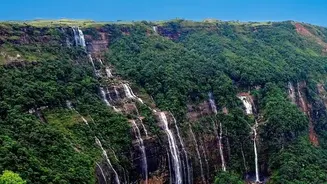
Not all destinations are created equal during the monsoon. While hilly areas in the Himalayas and parts of the Western Ghats can be prone to landslides, other places truly come alive and remain relatively safe. Destinations in Rajasthan like Udaipur, the backwaters of Kerala, and certain high-altitude deserts like Leh and Ladakh receive less rainfall and can be excellent choices. Conversely, areas known for extreme rainfall, such as Cherrapunji or parts of Himachal Pradesh and Uttarakhand, require a higher degree of caution and flexibility in your itinerary. Research your destination's geography and typical monsoon weather patterns before you book.
Rethink Your Road Trip
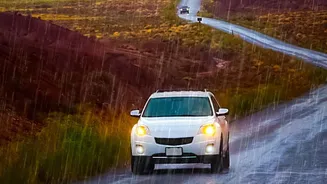
Monsoon road trips can be incredibly scenic, but they require serious caution. Rain makes roads slippery, reduces visibility, and can hide dangerous potholes under waterlogged patches. If you plan to drive, ensure your vehicle’s tyres, wipers, and headlights are in perfect condition. Reduce your speed, maintain a safe distance from other vehicles, and avoid driving at night. In many cases, opting for train travel might be a safer, more reliable alternative, though delays are still possible. If you must travel by road in a high-rainfall area, consider hiring a local driver who is experienced with the terrain and seasonal challenges.
Pack Smart for Rain and Delays
Your packing list needs a monsoon-specific upgrade. Prioritise lightweight, synthetic clothing that dries quickly. A reliable raincoat, a sturdy umbrella, and waterproof footwear with good grip are non-negotiable. To protect your valuables, use waterproof bags or zip-lock pouches for electronics, documents, and wallets. Given the potential for travel disruptions, always carry a power bank, a basic first-aid kit with medications for common ailments, and insect repellent. Packing some extra snacks and water is also a wise precaution in case of unexpected, long delays.