



Plan Your Trek Meticulously
A safe monsoon trek begins long before you hit the trail. Start by researching your destination thoroughly, opting for trails known to be safer during the rainy season and avoiding those prone to landslides. [11, 17] Check with local authorities or experienced
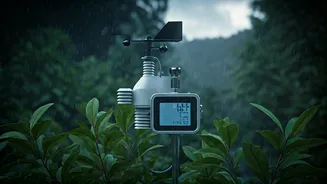
trekking groups about trail conditions and permits, as some routes may be officially closed. [13] Always monitor weather forecasts from reliable sources like the India Meteorological Department (IMD) in the days leading up to your trek. [3, 13] Finally, share your detailed itinerary and expected return time with a trusted contact who is not on the trip. [7] This simple step ensures someone knows your whereabouts in case of an emergency.
Invest in the Right Gear
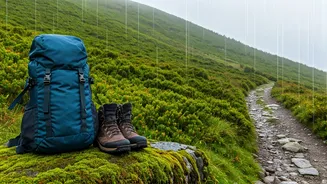
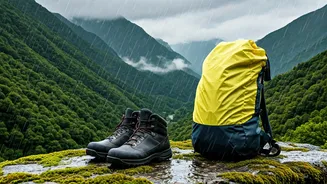
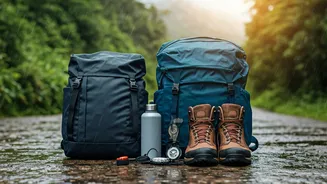
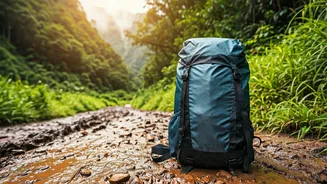
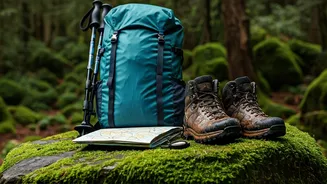
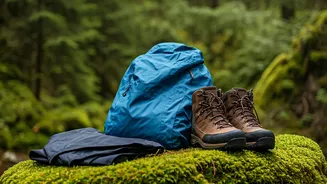
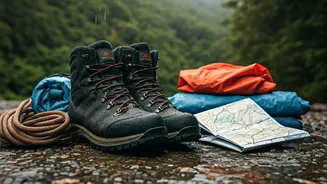
Your gear is your first line of defense against the elements. Waterproof, high-traction trekking shoes are non-negotiable to prevent slips and falls on muddy or mossy terrain. [8, 13] Avoid regular sports shoes, which offer poor grip and can lead to injury. [13, 15] Dress in layers of quick-drying synthetic clothing, as cotton retains moisture and can make you feel cold and damp. [6, 15] A reliable rain jacket or a full-body poncho is essential to protect both you and your backpack. [4, 14] Use a waterproof cover for your rucksack and pack electronics, clothes, and other essentials in separate dry bags or zip-lock pouches for extra protection. [6, 19]
Navigate Trails with Caution
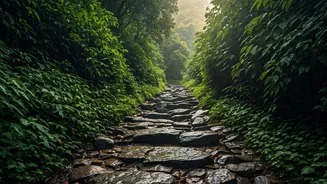
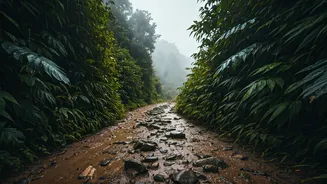
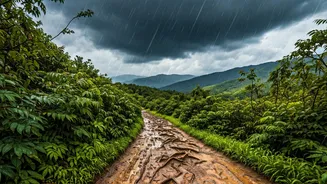
Monsoon trails are notoriously slippery and demand your full attention. [18] Walk slowly and deliberately, testing your footing before committing your full weight, especially on wet rocks or inclines. [8] Trekking poles are invaluable for maintaining balance, reducing strain on your knees, and checking the stability of the ground ahead. [6, 15] Always stick to the designated trail and avoid taking shortcuts, which can be disorienting and dangerous. [11, 17] Be especially careful during river or stream crossings; if the water is fast-flowing or swollen, do not attempt to cross and be prepared to turn back. [11, 17]
Start Early and Pace Yourself
In many regions, monsoon rains tend to intensify in the afternoon. [5] By starting your trek early in the morning, you can cover significant ground in better light and potentially complete your hike before the heaviest downpours begin. [5] This also helps you avoid the drop in visibility that often accompanies afternoon fog and rain. [5] Remember that trekking in wet and humid conditions can be more tiring than usual. [21] Pace yourself, take regular short breaks, and stay hydrated throughout the day, even if you don't feel thirsty. [19]
Beware of Monsoon-Specific Hazards
Beyond slippery paths, the monsoon brings other risks. Leeches are common in wet, forested areas. [18] Wear full-sleeved shirts, long trousers, and consider leech-proof socks to protect yourself. [4, 6] Avoid standing still in damp, vegetated areas for too long. [15] Keep an eye out for landslide-prone zones, which are often marked by loose soil and rocks on steep slopes. [17] It's also wise to avoid taking shelter under tall trees during a thunderstorm to minimise the risk of lightning strikes. [15]
Pack a Well-Equipped First-Aid Kit
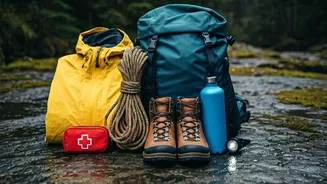
A first-aid kit is essential on any trek, but it requires special additions for the monsoon. [4] Along with standard items like bandages, antiseptic wipes, and pain relievers, include supplies for common monsoon issues. [19] This includes an insect repellent, salt or a sanitiser to help remove leeches, and anti-fungal powder to prevent skin issues caused by dampness. [4, 17] Also, pack water purification tablets or a filter, as natural water sources can be contaminated during the rains. [4]
Know When to Turn Back
One of the most important safety habits is knowing your limits and trusting your instincts. Weather in the mountains can change rapidly, and no summit is worth risking your life for. [3, 8] If conditions worsen significantly, if a trail seems too dangerous, or if someone in your group is unwell, do not hesitate to turn back. [17] Trekking with an experienced guide or in a group is always recommended, as it provides an extra layer of safety and support in making these critical decisions. [11, 13]