


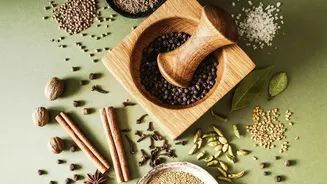

The Grounding Warmth of Cumin
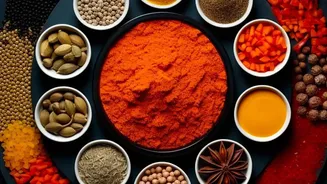
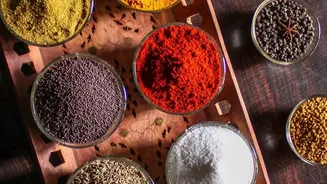
Cumin, or 'zeera', is a cornerstone spice in the Indian pantry, beloved for its warm, earthy, and slightly bitter flavour profile. Whether used as whole seeds or in ground form, its job is to provide a deep, savoury foundation. Toasting whole cumin seeds in hot
oil or ghee—a technique known as 'tadka'—is a transformative first step in many recipes. This blooming process releases the spice's essential oils, infusing the entire dish with an aromatic, nutty depth that you can smell instantly. Ground cumin, on the other hand, integrates more seamlessly into sauces and marinades, offering a consistent warmth throughout. It’s this robust, grounding quality that makes it the perfect counterpart for brighter, sharper flavours.
The Tangy Power of Tamarind
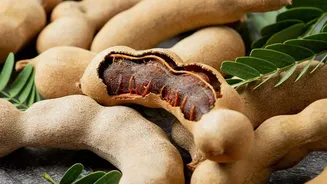
Tamarind, or 'imli', is a fruit that delivers a complex sourness with underlying sweet, fruity notes. Unlike the sharp, one-dimensional tang of vinegar or lemon, tamarind provides a richer, fuller sour taste that adds incredible depth. It's available in several forms: a pressed block of pulp with seeds, which needs to be soaked and strained; a ready-to-use paste or concentrate; or a sweet-sour chutney. Its primary role in cooking is to cut through richness and fat, brightening heavy dishes and adding a refreshing contrast. Think of the tangy kick in sambar or the sweet-sour swirl in a bhel puri—that’s the magic of tamarind at work.
Why They Work So Beautifully Together
The partnership between cumin and tamarind is a perfect example of flavour balancing. Cumin's earthy, slightly musky notes anchor the high-flying tang of the tamarind. Without cumin, a tamarind-heavy dish might taste too sharp or aggressive. Without tamarind, a dish with lots of cumin could feel flat or overly earthy. Together, they create a complete, well-rounded flavour profile that is much more than the sum of its parts. The warmth of the cumin mellows the sourness of the tamarind, while the tamarind lifts and brightens the deep notes of the cumin. This dynamic interplay is fundamental to creating the layered, complex flavours that define so many beloved Indian dishes.
Putting It Into Practice in Your Kitchen
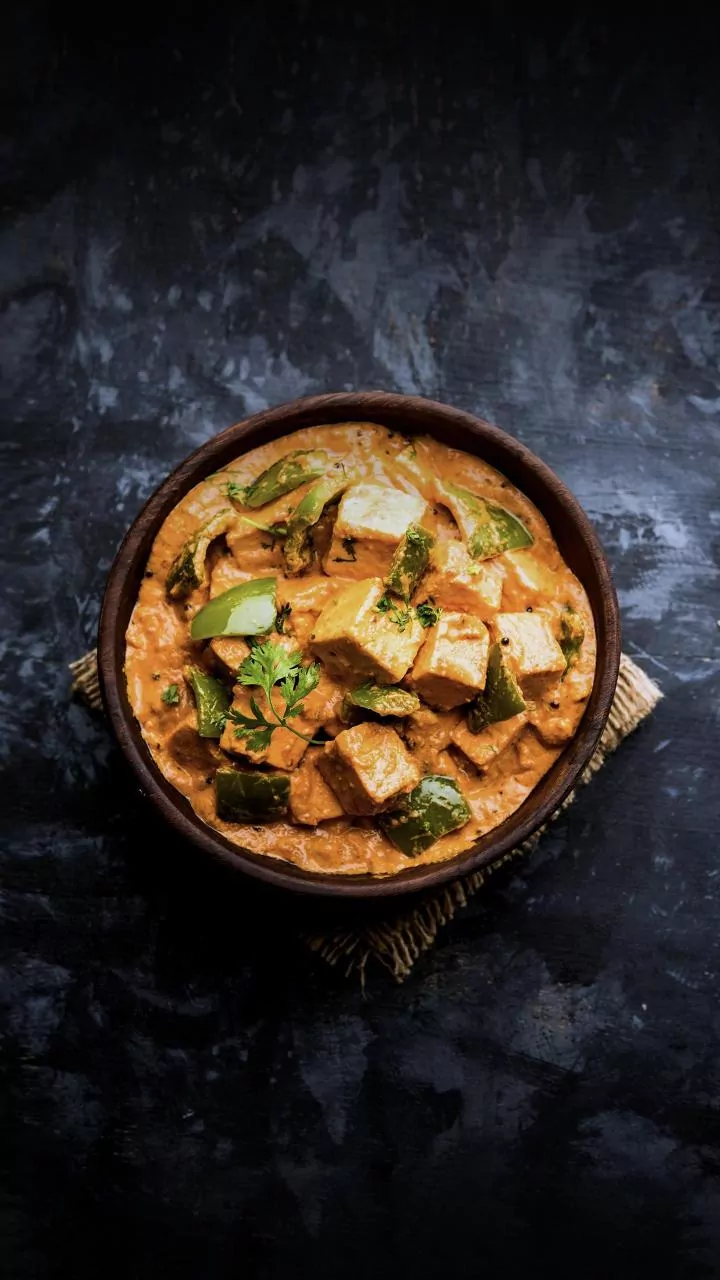
Harnessing the power of this duo is simpler than you think. In lentil dishes like dal, a tadka of cumin seeds followed by a swirl of tamarind paste at the end adds a professional finish. For marinades, combining ground cumin with tamarind paste, garlic, and a little jaggery or sugar creates a fantastic glaze for grilled vegetables, chicken, or fish. The combination is also the soul of many chutneys and sauces. A simple tamarind-date chutney is often balanced with roasted ground cumin to enhance its savoury side. You'll also find this pairing in refreshing drinks like Jaljeera, where roasted cumin and tangy tamarind water create a popular digestive appetiser.
Simple Tips for Sweet-Sour Success
To get the balance just right, follow these simple guidelines. First, a little goes a long way, especially with tamarind concentrate, which can be quite potent. Start with a small amount, stir it in, and taste before adding more. Second, always taste and adjust at the end of cooking. Flavours meld and change with heat, so what tastes balanced at the beginning might need a final tweak. If a dish is too sour, a pinch of sugar or jaggery can round it out. If it tastes flat, a bit more tamarind can bring it to life. Finally, remember that cumin's flavour is most potent when it's freshly roasted or toasted, a simple step that pays huge dividends in the final dish.