



More Than Just a 'Coffee'
In many South Indian households, especially in Tamil Nadu and Kerala, the first line of defense against a common cold, an upset stomach, or general fatigue isn't a pill; it's a warm, fragrant decoction. Known broadly as 'kashayam' in Ayurveda or more
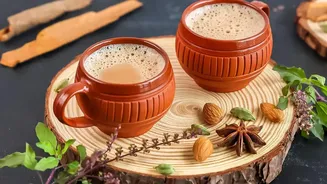
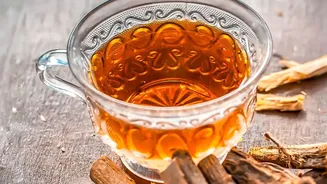
specifically by names like 'sukku malli kaapi', these are not coffees at all in the traditional sense. Despite the name 'kaapi' (coffee), most of these brews are caffeine-free herbal tonics made by boiling spices, herbs, and roots in water. They represent a category of beverages where the kitchen pantry doubles as a medicine cabinet, a practice passed down through generations as a form of accessible, everyday healthcare.
A Tradition Steeped in Ayurveda
The concept of a kashayam is ancient, deeply rooted in Ayurvedic principles where it is also known as 'kwath' or 'kadha'. Ayurveda, the traditional Indian system of medicine, emphasizes the importance of 'Agni' or digestive fire for overall health. Spiced decoctions are designed to kindle this fire, helping the body process food efficiently and prevent the build-up of toxins. The choice of ingredients is deliberate and purposeful. Spices are selected for their specific therapeutic properties—some to warm the body, others to soothe inflammation, and many to aid digestion. This practice views food as medicine, using the inherent botanical power of everyday ingredients to maintain balance within the body's systems, particularly during seasonal changes when ailments like coughs and colds are more prevalent.
The Anatomy of a Healing Brew
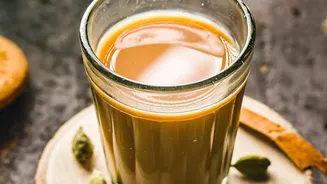
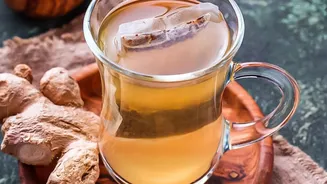
One of the most beloved examples is Sukku Malli Kaapi. The name itself reveals its two-star ingredients: 'sukku' (dry ginger) and 'malli' (coriander seeds). Dry ginger is revered in Ayurveda for its warming properties, which help soothe sore throats, reduce congestion, and aid digestion. Coriander seeds are known to be excellent for calming the digestive system and flushing out toxins. To this base, other spices are often added, including black pepper (to clear mucus), cumin (for digestion), and cardamom. The decoction is typically sweetened not with refined sugar, but with palm jaggery, which adds its own minerals and earthy sweetness. The result is a complex, aromatic brew that is simultaneously spicy, sweet, and profoundly comforting—a go-to remedy for colds and indigestion.
The Modern Wellness Revival
So why are these age-old recipes finding new life in contemporary urban kitchens? The answer lies in a broader global shift towards natural, holistic wellness. In an era of processed foods and quick-fix solutions, there is a growing desire to reconnect with traditional food systems that are inherently sustainable and health-focused. Modern cooks and wellness enthusiasts are discovering that these decoctions offer a powerful, natural alternative to over-the-counter remedies for minor ailments. Furthermore, for many in the Indian diaspora and within India itself, making a kashayam is an act of cultural preservation. It’s a way to connect with the wisdom of their elders and reclaim a piece of their heritage that is both practical and nourishing.
From Grandma’s Wisdom to Your Kitchen Cup
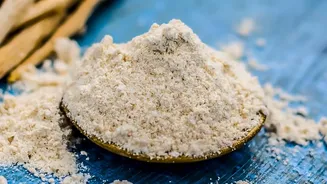
Exploring these decoctions doesn't require deep expertise, just a well-stocked spice box and a little curiosity. The beauty of these recipes is their flexibility. While a traditional sukku malli powder can be made by dry-roasting and grinding the spices, you can also create a simple version by simmering the whole spices in water until their flavors infuse. The key is to understand the purpose of each ingredient and listen to your body. Feeling a cold coming on? Emphasize ginger and pepper. Is your digestion sluggish? Cumin and coriander are your friends. By bringing these spiced waters back into our daily or weekly routines, we do more than just enjoy a flavourful drink; we participate in a thousands-year-old tradition of botanical healing, proving that sometimes the most profound wellness solutions are the simplest ones.