









Understanding the Penalty Trap
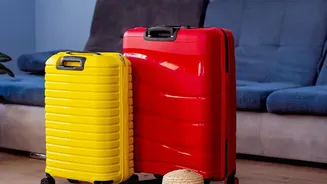
Indian airlines have largely adopted an 'unbundled' pricing model, where the initial ticket price covers your seat and little else. The standard domestic allowance on most budget carriers like IndiGo, SpiceJet, and Akasa Air is a strict 7 kg for cabin
baggage and just 15 kg for a single checked-in bag. Exceed that, and the costs escalate quickly. Airport counter charges for excess baggage typically range from ₹600 to ₹700 per kilogram, meaning just a few extra items can result in a penalty of thousands of rupees. These fees are a lucrative source of revenue for airlines but a significant and entirely avoidable expense for travellers. Understanding this new reality is the first step toward keeping that money in your pocket.
The Golden Rule: Check Your Airline's Policy
While a 7 kg carry-on allowance is a common benchmark, rules are not universal. Air India, for example, may offer different allowances based on the fare type purchased. Dimensions for cabin bags can also vary. Before you even think about what to pack, visit your airline’s official website. Check the specific weight and size limits for your booking. Some airlines are now systematically weighing carry-on bags at the boarding gate, not just at check-in. An 800-gram overage can trigger a fee or force you to gate-check your bag. This simple five-minute check is the most crucial step in avoiding penalties. Remember to also check the allowance for a 'personal item,' like a small laptop bag or purse, which is often permitted in addition to your main carry-on.
Master the Art of the Roll
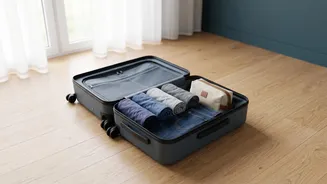
How you pack is as important as what you pack. Rolling your clothes instead of folding them is a classic technique for a reason: it saves a significant amount of space and can help reduce wrinkles. For maximum efficiency, consider using packing cubes. These small containers not only keep your belongings organised but also compress clothing, allowing you to fit more into your bag. Group similar items together—one cube for tops, another for bottoms, and one for undergarments. This compartmentalisation prevents you from having to unpack your entire bag to find one item and helps you visualise exactly how much you're bringing.
Curate a Versatile Weekend Wardrobe
The key to packing light is to pack smart with a versatile wardrobe. Instead of packing specific outfits for each day, choose items that can be mixed and matched. Start with a neutral colour base (like black, navy, or beige) for your main pieces, such as trousers or a jacket. Then, add a couple of tops or accessories in accent colours. For a typical weekend, this might look like two bottoms and three tops that all work together, creating multiple outfit combinations from just a few pieces of clothing. The goal is to get maximum utility from a minimum number of items. Before packing an item, ask yourself if it can be worn in at least two different ways.
Wear It, Don't Pack It
Your bulkiest items should never take up precious space in your carry-on. If you're bringing a jacket, a heavy sweater, or a pair of boots, wear them on the plane. This simple strategy frees up a surprising amount of room and weight in your bag. An aircraft cabin can often be cool, so wearing an extra layer is usually comfortable anyway. This tactic is especially useful for weekend trips to destinations with variable weather, where you might need a jacket for the evenings but not during the day. Think of your travel outfit as wearable luggage.
Leverage Your Personal Item Strategically
Most airlines permit one small personal item alongside your main carry-on. This is valuable real estate that many travellers underutilize. Use this space for your heaviest items. Laptops, chargers, power banks, books, and toiletries should go into your personal item (like a backpack or large handbag). Shifting 2-3 kgs of dense items from your main carry-on to your personal item can be the difference between meeting the weight limit and facing a penalty. Just be sure that this secondary bag still fits under the seat in front of you as required.