




Barda's New Dawn as a Lion Stronghold
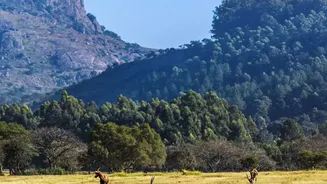
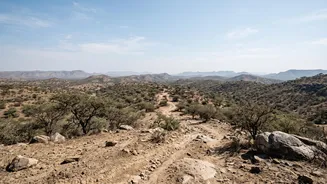
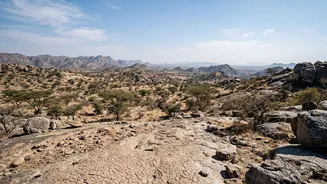
Spanning over 192 square kilometres in Gujarat's Saurashtra region, the Barda Wildlife Sanctuary has transformed from a former royal hunting ground into a pivotal conservation site. Historically, lions were last recorded here in 1879. The landscape's
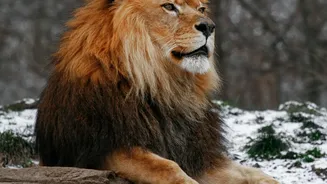
silence was broken in January 2023 when a male lion naturally migrated from the Gir landscape. This pioneering move was supported by the Gujarat Forest Department, which subsequently introduced five females. By 2025, a small but growing pride of 17 lions, including cubs, was established. This has officially designated Barda as the second home for Asiatic lions, a crucial step in mitigating risks like disease outbreaks that could devastate the entire species if confined only to Gir.
Fact 1: The Lion Is King and Needs Space
The primary objective at Barda is to establish a secure, self-sustaining lion population. This is a delicate process. Research based on radio-collared lions in Barda shows they are establishing home ranges and social structures. Unregulated human presence can severely disrupt this. Increased vehicle traffic, noise, and close encounters create stress, which can affect their hunting, breeding, and overall adaptation. With plans for a new jungle safari and enhanced tourist facilities underway, the influx of visitors is set to grow. The challenge is to manage this tourism so it doesn't compromise the very animals people come to see. A regulated system, as launched in 2024 with authorised guides and vehicles, is a start, but it requires constant evaluation as the lion population and tourist numbers grow.
Fact 2: A Fragile Ecosystem Beyond Lions
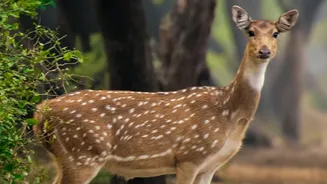
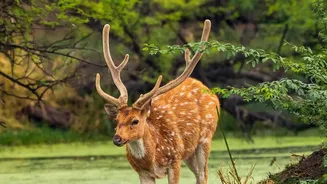
While lions are the headline act, Barda is a rich ecosystem supporting leopards, hyenas, sambar, and over 650 plant species, many with medicinal value. Its hilly terrain also serves as a natural barrier against salinity from the nearby coast. The sanctuary's health depends on this biodiversity. However, the prey base for lions is still considered low. To address this, authorities have been relocating hundreds of spotted deer to the sanctuary. Increased visitor footfall brings risks of litter, pollution, and the potential introduction of invasive species, all of which can degrade the habitat that both predators and prey depend on. Strict rules, such as staying in vehicles and not littering, are essential but only effective if rigorously enforced.
Fact 3: The Perils of Unchecked Growth
The return of lions has put Barda on the global wildlife map, creating economic opportunities for local communities through eco-tourism. However, this popularity can be a double-edged sword. Unchecked tourism development around protected areas often leads to a mushrooming of hotels and resorts, straining local resources like water and creating waste management problems. To pre-empt conflict between wildlife and human settlement, the government has initiated schemes for the voluntary relocation of Maldhari pastoralist families from within the sanctuary. This acknowledges that for the lions to have a viable, long-term home, the core area must be free from excessive human disturbance. Managing development on the sanctuary's periphery is just as important as managing access within it.
Learning from Gir: A Blueprint for Success
Gir National Park, the primary home of Asiatic lions, has a mature and highly regulated tourism model. While Barda is distinct, it can draw valuable lessons from Gir's experience in managing large visitor numbers. This includes enforcing strict safari zones, timing restrictions, and a cap on the number of vehicles allowed daily. The goal is not to lock the sanctuary away but to create a sustainable model where tourism revenue supports conservation efforts and local livelihoods without harming the ecosystem. Visitors are currently advised to check all rules with the Gujarat Forest Department before planning a trip, as access and safari availability are still evolving.