




The 'Mortar' Holding Your Skin Together
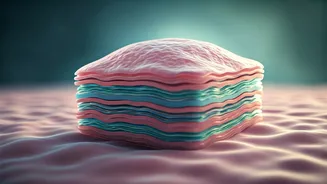
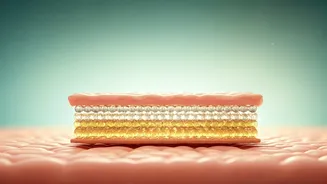
Let's start with the basics, without the complicated chemistry. Think of your skin's outermost layer, the skin barrier, as a brick wall. The skin cells are the 'bricks', and ceramides are the 'mortar' that holds everything together. They are lipids—or
fat molecules—that make up about 50% of this outer layer. Their main job is to form a protective layer that seals in moisture and keeps harmful environmental pollutants, bacteria, and irritants out. Without enough ceramides, this 'mortar' crumbles, leaving gaps in your skin's defence system. This leads to dryness, irritation, redness, and a generally compromised complexion.
Why Your Skin Barrier Is So Important
The term 'skin barrier' has become a major buzzword, and for good reason. A healthy, functioning barrier is the foundation of good skin. When it's strong, your skin looks and feels smooth, plump, and hydrated. It can effectively defend itself against daily stressors like pollution, UV rays, and harsh weather. However, our natural ceramide levels deplete over time due to ageing and sun damage. They can also be stripped away by using harsh cleansers, over-exfoliating with strong acids, or not moisturising properly. The result is a weakened barrier, which is the root cause of many common skin concerns, from eczema and sensitivity to premature signs of ageing.
The Reason for Their Sudden Popularity
Ceramides aren't new—they've been in skincare for decades. So why are they suddenly everywhere? The trend is largely a response to the recent obsession with high-strength active ingredients like retinoids and exfoliating acids (AHAs/BHAs). While these can be effective, many people overdid it, leading to widespread skin irritation and damaged barriers. The skincare community has now swung back towards a gentler, more supportive approach focused on 'barrier repair'. Ceramides are the heroes of this movement. They don't exfoliate or resurface; they heal, soothe, and rebuild. They are the ultimate support system for your skin, helping it tolerate other active ingredients better and recover from damage.
Who Should Use Ceramides?
Here's the best part: almost everyone. Because ceramides are 'skin-identical' (meaning they are naturally found in our skin), they are incredibly well-tolerated by virtually all skin types. If you have dry or dehydrated skin, they are non-negotiable for locking in moisture. For those with sensitive or eczema-prone skin, they help calm irritation and reduce redness by strengthening the skin's defences. Even oily and acne-prone skin types can benefit. Sometimes, oiliness is a sign that your skin is dehydrated and overproducing sebum to compensate. By restoring balance and hydration, ceramides can help regulate oil production. They are also fantastic for mature skin, helping to replenish the lipids lost with age for a firmer, more youthful look.
How to Find Them in Your Products
Finding ceramides is easier than you think. Look at the ingredients list on moisturisers, serums, cleansers, and even body lotions. You'll typically see them listed as 'Ceramide' followed by letters (like Ceramide NP, Ceramide AP, or Ceramide EOP) or under related terms like 'phytosphingosine' or 'sphingosine', which are precursors that help your skin produce more ceramides. For the best results, look for products that combine ceramides with other hydrating and repairing ingredients like hyaluronic acid, glycerin, and cholesterol. This combination mimics the skin's natural lipid structure, making the product even more effective at replenishing your barrier.