





A New Chapter in Indian Travel
The global traveller's checklist is changing. In the wake of a collective re-evaluation of priorities, the pursuit of well-being has moved from a niche interest to a primary motivation for travel. India, with its deep-rooted traditions in holistic health,
is uniquely positioned to meet this demand. The country's wellness tourism market is experiencing significant growth, with some projections expecting the market to reach over USD 43 billion by 2031. This expansion is not just about adding spas to hotels; it's a fundamental shift towards creating immersive experiences that cater to the mind, body, and spirit. Travellers, both domestic and international, are increasingly seeking out yoga retreats, Ayurvedic healing centres, and tranquil nature escapes over conventional sightseeing holidays.
The 'Heal in India' Initiative
This growth is being actively nurtured by government support. The 'Heal in India' initiative is a strategic effort to position the country as a premier global destination for both medical and wellness travel. By promoting traditional systems of medicine like Ayurveda, Yoga, Unani, Siddha, and Homeopathy (collectively known as AYUSH), the government is leveraging India's ancient wisdom as a key differentiator. This initiative includes simplifying visa processes for those seeking wellness treatments, such as the e-Ayush visa, and developing a digital portal to connect international visitors with accredited facilities. The aim is to create an organized, credible ecosystem that makes it easier for travellers to access authentic and high-quality wellness services.
Ancient Wisdom, Modern Appeal
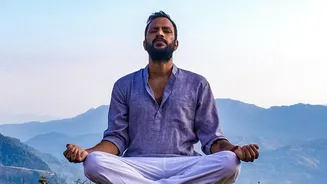
At the heart of this trend are yoga and Ayurveda, practices that have been part of India's cultural fabric for millennia. Today, they are being reimagined for a new generation of wellness seekers. Destinations like Rishikesh in Uttarakhand and various centres across Kerala have become global hubs for authentic yoga and Ayurveda, respectively. In Rishikesh, travellers can immerse themselves in everything from intensive yoga teacher training to serene meditation retreats at ashrams or luxury resorts. In Kerala, the monsoon season is traditionally considered the ideal time for Ayurvedic treatments like Panchakarma, a comprehensive detoxification program. These experiences offer more than just relaxation; they provide a structured path to wellness rooted in ancient texts but delivered with modern hospitality.
The Rise of Nature and Digital Detox
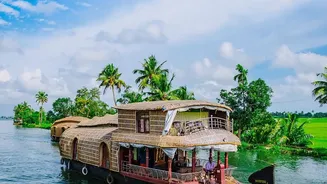
Parallel to the boom in traditional wellness is the growing demand for nature escapes and digital detoxes. Modern life, with its constant connectivity and urban stressors, has created a deep-seated need to disconnect and recharge in natural surroundings. This has fueled the rise of eco-tourism, with travellers seeking out low-impact holidays in pristine environments. Destinations across the Himalayas, the Western Ghats, and the tranquil backwaters of Kerala are seeing a surge in popularity for their nature resorts, homestays, and adventure tours. Even younger travellers, some as young as 18, are checking into retreats to escape the pressures of social media and find respite in nature, structured meals, and proper sleep. This signifies a broader movement towards travel that is not just about seeing a place, but about feeling restored by it.
A More Inclusive and Sustainable Model
This shift towards wellness and eco-tourism also has a positive socio-economic impact. By focusing on experiences rooted in local culture and nature, it helps create employment opportunities for local communities and supports small businesses like handicraft shops and tour operators. Many eco-resorts and wellness centres are built on principles of sustainability, incorporating locally sourced materials, promoting conservation, and collaborating with local residents. This approach fosters a more inclusive and responsible model of tourism, where the benefits are distributed more evenly and the natural and cultural heritage of a region is preserved for the future. As travellers increasingly vote with their wallets for sustainable and meaningful experiences, this trend is likely to become an even more integral part of India's tourism identity.