






More Than Just a Trip Down Memory Lane
The re-release of older films has become a significant trend in the Indian and global box office, with movies from every era finding new life on the big screen. In India, films like 'Jab We Met', 'Yeh Jawaani Hai Deewani', and even older classics like 'Sholay'
have seen spectacular turnouts. In some cases, films that underperformed on their initial run, such as the romantic drama 'Sanam Teri Kasam', have found massive success and a new audience years later, earning crores and surpassing their original box office collections. This phenomenon isn't just about revisiting a film; it's about celebrating a shared cultural touchstone. For older audiences, it's a chance to see a beloved movie “the way it was intended,” while for younger generations, it's an opportunity to experience cinematic history on a grand scale for the first time.
The Smart Economics of the Encore
For both studios and theatre owners, re-releasing films is a low-risk, high-reward strategy. The most expensive part of a movie's life—production—is already paid for. A re-release only incurs marketing and distribution costs, making it a financially sound way to generate revenue from existing assets. This strategy has become particularly crucial in the post-pandemic era, where theatre attendance has been inconsistent and production pipelines have been disrupted. Re-releases help fill programming gaps, keeping screens active and drawing in crowds during otherwise quiet periods. Theatres get reliable content that has a proven, built-in audience, and studios get to monetize their back catalogue with minimal new investment, a win-win for a recovering industry.
A New Kind of Communal Ritual
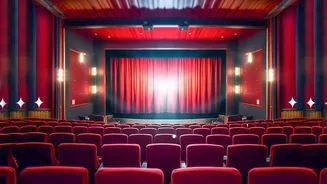
Perhaps the most significant change is in the audience experience itself. Unlike a premiere for a new film, which is built on suspense, a re-release screening is built on celebration. It transforms the cinema into a communal space where fans gather not just to watch, but to participate. For cult classics, this can involve audience members shouting iconic lines, singing along to songs, or even dressing up as characters, turning the viewing into an interactive event. This shared experience fosters a powerful sense of community, connecting strangers through a mutual love for a film. It's less about discovering a new story and more about celebrating a familiar one together, creating a vibrant, concert-like atmosphere that simply cannot be replicated by streaming at home.
The Added Value Proposition
To entice viewers away from their couches, where many of these films are readily available on streaming platforms, distributors often add value to the theatrical re-release. This can come in the form of pristine 4K restorations and remastered sound, offering a technically superior version of the film. Anniversaries provide a strong hook, turning a simple screening into a milestone event. In other cases, studios release extended cuts with new footage, giving even die-hard fans a reason to return. The allure of premium formats like IMAX also plays a significant role, allowing audiences to experience the epic scale of films in a way that home viewing cannot match. By making the theatrical run feel like a special, limited-time engagement, studios successfully reframe an old product as a new, unmissable experience.
A Trend with a Future
While some may dismiss the re-release trend as a temporary fix for a struggling industry, the enthusiastic audience response suggests it has lasting appeal. It taps into a deep-seated desire for shared cultural experiences and provides a welcome alternative to the relentless cycle of new blockbusters. This trend is also giving a second chance to films that have grown in reputation over time, allowing them to find the audience they always deserved. In South India, the re-release of films like the Tamil blockbuster 'Ghilli' and the Telugu hit 'Happy' have seen packed houses, demonstrating the power of regional fanbases and the excitement of seeing local heroes on the big screen again. This isn't just about what's old being new again; it's about the cinema reaffirming its role as a place of community, celebration, and pure, unadulterated movie magic.