




For Visibility and On-Road Safety
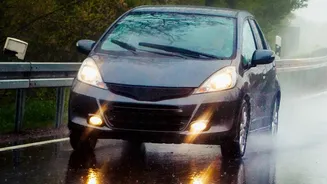
Good visibility is the first rule of safe monsoon driving. Heavy rain, especially at dusk or night, can severely limit your ability to see and be seen. Your kit should prioritise items that tackle this. Start with a powerful, waterproof torch with extra
batteries; it's invaluable for inspecting a tyre at night or signalling for help. A set of reflective warning triangles is also non-negotiable. If you break down, these triangles alert oncoming traffic far more effectively than hazard lights alone, especially around blind curves or in low-light conditions. Finally, ensure your wiper blades are in top condition, as worn blades that leave streaks are a major safety hazard. A clean microfibre cloth for wiping interior fog from the windshield is another simple but crucial addition.
For Roadside Breakdowns and Repairs
Monsoon roads are tough on vehicles. Hidden potholes can lead to flat tyres, and constant use of wipers, lights, and AC can drain your battery. A basic repair kit can save you from being stranded. Jumper cables are a must-have, as a dead battery is a common issue in stop-start monsoon traffic. A portable tyre inflator and a puncture repair kit can be lifesavers, allowing you to temporarily fix a flat and get to the nearest mechanic instead of waiting for roadside assistance. Also, consider adding a tow rope. In waterlogged areas, it can be essential for getting your vehicle pulled out of a tricky situation by another car.
For Personal Comfort and Health
Getting stuck in the rain doesn't just affect your car; it affects you. Being wet and cold for hours can be miserable and even lead to illness. Your emergency kit should have a personal comfort section. A sturdy umbrella and a raincoat are obvious first choices. Pack a dry towel and a spare change of clothes, including socks, in a waterproof bag. If you have to step out into ankle-deep water, you'll be glad to have something dry to change into. A well-stocked first-aid kit is also vital. It should include antiseptic wipes, bandages for minor cuts, and any personal medications. Mosquito repellent is another smart addition, as stagnant water is a breeding ground for insects.
For Long Delays and Communication
Monsoon traffic jams are legendary. A trip that normally takes 30 minutes can stretch into hours. Being prepared for these long waits is key to managing stress. Always keep a few litres of drinking water and some non-perishable snacks like granola bars or biscuits in your car. Hunger and dehydration can make a frustrating situation feel much worse. Equally important is staying connected. Your phone is your lifeline for navigation, communication, and calling for help. A fully charged power bank and a car charger ensure your phone doesn't die when you need it most. In areas with spotty network coverage, having offline maps downloaded can also be a huge advantage.