

The Golden Rule: Master the Layering System
Dressing for the Himalayan cold is a science, and the core principle is layering. Instead of one thick, bulky jacket, wearing multiple, strategic layers gives you the flexibility to adapt to changing conditions. As you exert yourself while trekking, you'll
heat up; during rest stops, the cold will set in fast. Layering allows you to add or remove clothing to regulate your body temperature and stay dry. The system consists of three essential parts. A good layering system is your primary defence against the cold, providing insulation while managing moisture to keep you safe and comfortable.
Layer 1: The Base Layer
This is the layer that sits directly against your skin. Its main job is not to keep you warm, but to wick sweat away from your body to keep you dry. Dampness is dangerous in cold weather as it rapidly cools your body. Avoid cotton at all costs, as it absorbs moisture and stays wet, increasing your risk of hypothermia. Instead, opt for synthetic fabrics like polyester or natural fibres like merino wool. Pack at least two pairs of thermal tops and bottoms. A dedicated dry set for sleeping is a non-negotiable for staying warm through sub-zero nights.
Layer 2: The Mid-Layer for Insulation
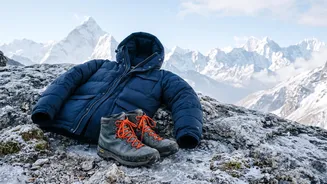
The mid-layer is your primary source of warmth. This layer is designed to trap body heat, creating an insulating pocket of warm air. The most common and effective mid-layers are fleece jackets and down or synthetic-fill 'puffy' jackets. Fleece is breathable and stays warm even when slightly damp. A down jacket offers the best warmth-to-weight ratio and is highly compressible, making it easy to pack. For treks in extreme cold, you might wear both a fleece and a down jacket. It's wise to have at least one thick fleece and one insulated down or synthetic jacket.
Layer 3: The Outer Shell for Protection
The outermost layer is your shield against the elements. Its job is to protect you from wind, rain, and snow. A good outer shell should be both waterproof and windproof. Look for jackets and pants made with materials like Gore-Tex or similar proprietary fabrics that are also breathable, allowing sweat vapour from your inner layers to escape. This prevents moisture buildup inside your clothing. Ensure your shell jacket has a hood and that your shell pants can be worn comfortably over your other layers.
Footwear: Your Foundation on the Trail
Your feet are your most critical asset on a trek. Invest in a pair of high-quality, waterproof trekking boots with good ankle support. Make sure they are well broken-in before your trip to avoid painful blisters. For socks, follow the layering principle: wear a thin, synthetic liner sock to wick moisture, with a thicker wool sock on top for warmth. Pack at least three to four pairs of woollen socks, keeping one pair strictly for sleeping. For treks involving heavy snow, waterproof gaiters are essential to prevent snow from getting into your boots.
Protecting Your Head, Hands, and Face
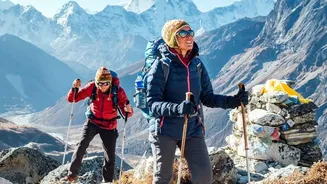
A significant amount of body heat is lost through your head, so a warm woollen or fleece cap that covers your ears is essential. A balaclava or a buff is incredibly versatile for protecting your neck, face, and ears from biting winds. For your hands, a two-glove system is best: a thin pair of fleece liner gloves for dexterity and a thick pair of insulated, waterproof outer mittens for maximum warmth. Finally, sunglasses are non-negotiable. The sun's reflection off snow can cause a painful condition called snow blindness, so high-UV protection sunglasses are a must.
Health, Safety, and Other Essentials
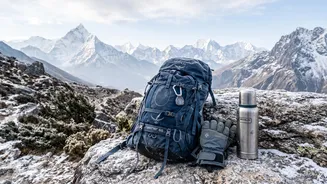
Carry a personal first-aid kit with basics like blister tape, antiseptic wipes, pain relievers, and any personal medications. If your trek involves significant altitude gain, consult your doctor about medication for altitude sickness before you go. A high-SPF sunscreen and lip balm are vital, as the sun at high altitudes is harsh. Other crucial items include a headtorch with extra batteries, a thermos or insulated water bottle to prevent your water from freezing, and a power bank for your electronics. Pack everything in a comfortable backpack of 50-60 litres with a rain cover.