




Why Pretty Packages Pull Us In
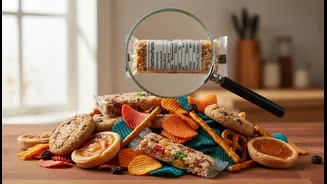
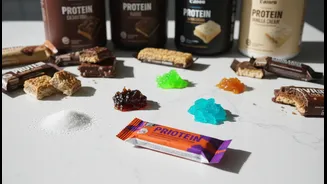
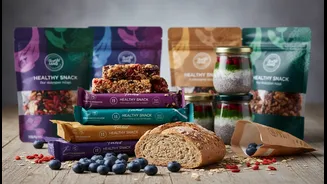
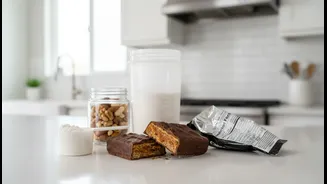
Food packaging is designed by experts to capture your attention and influence your decisions. The psychology is sophisticated: green and white colours suggest freshness and health, while matte textures can feel earthy and premium. Words like 'natural'
or images of fresh fruit create a 'health halo', a phenomenon where we overestimate how healthy a product is based on a single positive claim. This halo effect can make us believe a snack is good for us, even if it's high in sugar or salt. Marketers know that an attractive package can make us feel like we're getting a better, healthier product, suppressing our instinct to question what's inside. The goal is to make you choose their product in the few seconds you spend looking at the shelf.
Beyond the Buzzwords
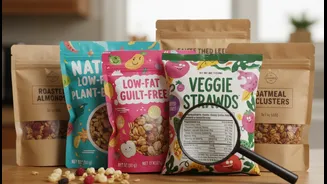
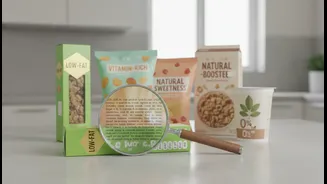
The front of the pack is filled with appealing but often vague terms. Words like "natural," "multigrain," and "lightly sweetened" can be misleading. "Natural" isn't a strictly regulated term and can be applied to products high in sugar and fat. "Multigrain" simply means the product contains more than one type of grain, not that they are whole grains. Similarly, terms like "low-fat" can be a red flag; when fat is removed, sugar is often added to improve the taste, resulting in a product that isn't necessarily healthier. A product advertised as 'made with real fruit' might only contain a tiny amount of fruit purée, with sugar being the main ingredient in the filling. These buzzwords create an illusion of health that often doesn't stand up to scrutiny.
Your Secret Weapon: The Nutrition Label
The real story is always on the back of the package, in the Nutrition Facts panel. This is your most powerful tool for making an informed choice. First, always check the serving size. All the numbers on the label, from calories to sugar, refer to that specific amount, and a small bag can often contain multiple servings. To compare different products, use the 'per 100g' column to get a fair comparison. As a general guide, look for snacks that are lower in saturated fat, sodium (salt), and added sugars. A quick rule of thumb is the 5/20 rule: 5% or less of the Daily Value (%DV) for a nutrient is low, while 20% or more is high. Aim for low percentages on things you want to limit and high percentages for beneficial nutrients like fibre.
The Ingredient List Tells the Truth
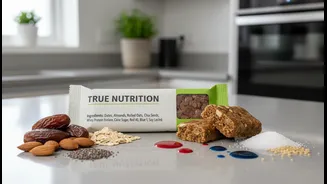
Even more important than the nutrition numbers is the ingredients list. Ingredients are listed by weight, from the greatest amount to the least. If sugar, or one of its many other names (like fructose, glucose, sucrose, or malt extract), is one of the first three ingredients, it’s a good sign that the snack is not as healthy as it claims. A genuinely healthy product will have a short list of ingredients you recognise, with whole foods at the top. A long list full of chemical-sounding names and multiple types of sweeteners is a major red flag, often indicating an ultra-processed food. For grain-based snacks, look for the word "whole" before the grain, such as "100% whole wheat," to ensure you're getting the full fibre benefit.
Truly Healthy, Simple Choices
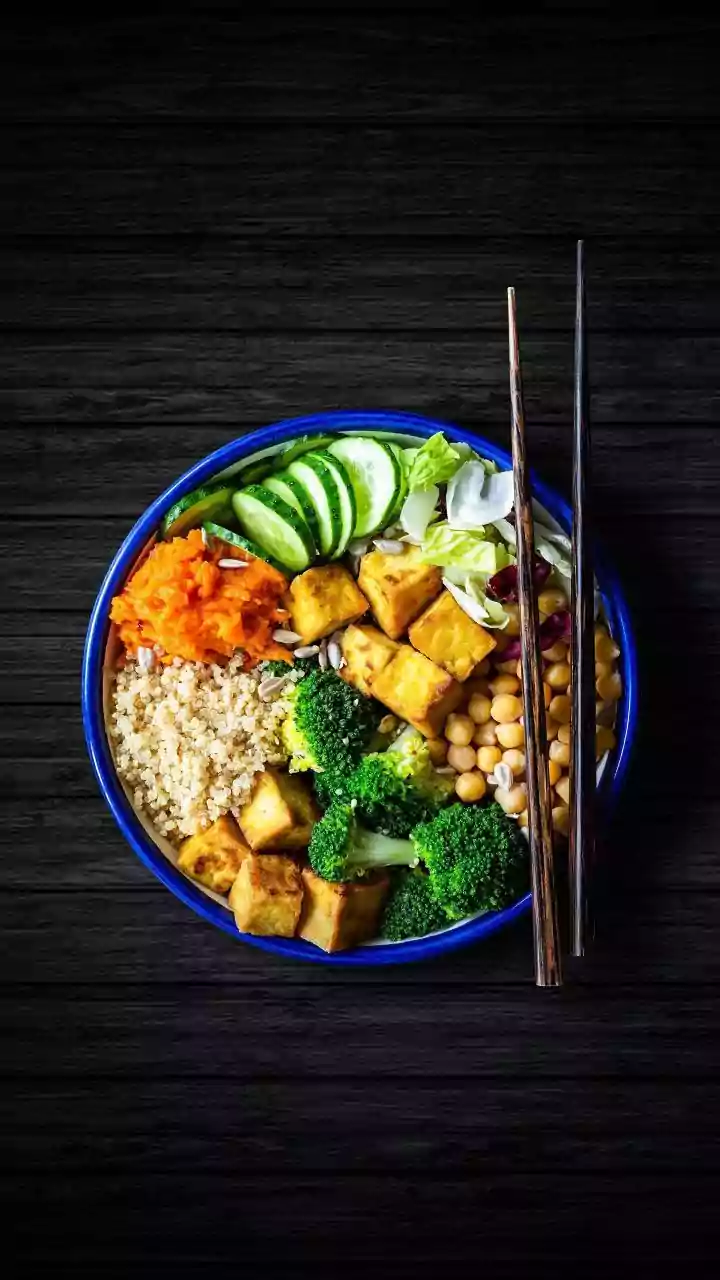
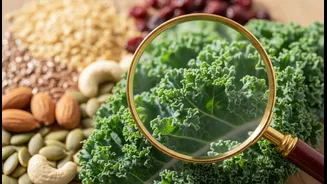
Cutting through the marketing noise can feel overwhelming, but choosing healthy snacks doesn't have to be complicated. Often, the most nutritious options don't come in flashy packages at all. Think of simple, whole foods. A handful of almonds, a piece of fruit, or a serving of plain yogurt are excellent choices. You can add your own flavour to plain yogurt with fresh fruit and a sprinkle of seeds. Other great options include vegetable sticks with hummus, hard-boiled eggs, or air-popped popcorn. By focusing on whole, unprocessed foods, you can be confident you're fueling your body with nutrients, not just clever marketing.