


Why Monsoon Wreaks Havoc on Skin
As the rains arrive, the air becomes thick with moisture. While this humidity can feel refreshing, it has a significant impact on our skin. The increased moisture in the environment signals our skin to produce more sebum (natural oil), leading to that
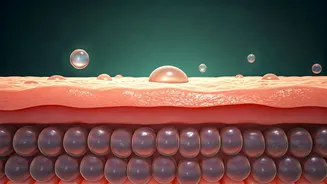
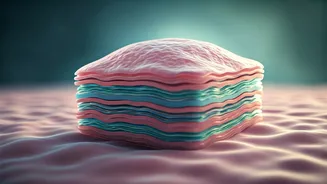
familiar greasy feeling. This excess oil, combined with sweat and environmental pollutants, creates the perfect breeding ground for bacteria. Furthermore, the high humidity slows down our skin’s natural shedding process. Dead skin cells that would normally flake off now stick to the surface, mixing with oil and dirt to clog pores. The result? A sudden surge in blackheads, whiteheads, acne, and an overall dull, tired-looking complexion. It’s a frustrating cycle that leaves many feeling like their skin is out of control during these wet months.
The Non-Negotiable Step: Exfoliation
So, what's the secret to managing this seasonal shift? It's a step many are tempted to skip, fearing it might be too harsh: exfoliation. During the monsoon, regular and gentle exfoliation isn't just a good idea—it's essential. This single step directly counteracts the primary problems caused by humidity. By sloughing away the layer of dead skin cells, you prevent them from building up and clogging pores. This process not only helps keep acne at bay but also instantly brightens a dull complexion, revealing the fresher, healthier skin underneath. Moreover, by clearing the pathway, exfoliation allows your other skincare products, like serums and moisturisers, to penetrate more deeply and work more effectively. It’s the reset button your skin desperately needs.
Choosing Your Exfoliant Wisely
Not all exfoliants are created equal, especially for the delicate conditions of monsoon skin. It's time to look beyond harsh, gritty physical scrubs, which can cause micro-tears and irritation, making skin more vulnerable to bacterial infections in the humid climate. Instead, consider chemical exfoliants. They sound intimidating, but they are often gentler and more effective. **Alpha Hydroxy Acids (AHAs):** Think glycolic acid and lactic acid. These are water-soluble and work on the skin’s surface. They are excellent for tackling dullness, rough texture, and hyperpigmentation, making them ideal for normal to dry skin types. **Beta Hydroxy Acids (BHAs):** Salicylic acid is the most common BHA. It is oil-soluble, meaning it can penetrate deep inside pores to dissolve the mixture of sebum and dead skin that causes blackheads and pimples. This makes it the holy grail for anyone with oily and acne-prone skin.
How to Exfoliate the Right Way
Incorporating exfoliation correctly is key to reaping its benefits without causing irritation. Over-exfoliating can strip your skin’s protective barrier, leading to sensitivity and more breakouts. For most people, exfoliating two to three times a week is sufficient. It's best to exfoliate at night as part of your cleansing routine, as this gives your skin time to repair itself overnight. After cleansing your face, apply your chosen chemical exfoliant (toner, serum, or pad) to dry skin. Follow the product's instructions—some are meant to be washed off, while others are leave-on treatments. Most importantly, always follow up with a lightweight, non-comedogenic moisturiser. Exfoliation can be drying, and replenishing hydration is crucial to keep your skin barrier healthy and balanced.
Don't Forget the Sunscreen
While exfoliation is the star of the show, its supporting actor is sunscreen. This is a critical point: chemical exfoliants like AHAs can make your skin more sensitive to the sun. Even on cloudy, rainy days, harmful UV rays penetrate the cloud cover. Skipping sunscreen after exfoliating is like inviting sun damage, dark spots, and premature ageing. Make it a non-negotiable habit to apply a broad-spectrum sunscreen with at least SPF 30 every single morning, rain or shine. Opt for a lightweight gel or matte-finish formula that won’t feel heavy or greasy in the humidity. This final step protects your newly revealed, fresh skin and ensures your exfoliation efforts aren't undone.