






The Forecast: Heat and Humidity Return
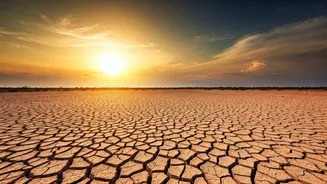
Delhi is set to experience a significant shift in weather as pre-monsoon showers recede, making way for intense heat. [9] According to the India Meteorological Department (IMD), maximum temperatures are expected to hover between 40 and 42 degrees Celsius
in the coming days. [13, 14, 16] However, the number on the thermometer tells only part of the story. High humidity levels, a persistent feature of the city's recent weather patterns, are set to make conditions feel far more oppressive. [4, 21] This combination of heat and moisture pushes the 'feels-like' temperature, or Heat Index, to alarming levels, recently crossing 50 degrees Celsius. [13, 14]
The 'Feels-Like' Factor Explained
The Heat Index is a crucial measure that combines air temperature with relative humidity to provide a more accurate sense of how hot it feels to the human body. When humidity is high, the body's primary cooling mechanism—sweat evaporation—is less effective. [4] This means that even if the actual temperature is 40 degrees, high moisture content in the air can make it feel like 48 or even 50 degrees, significantly increasing the risk of heat-related stress and illnesses. [11] In recent years, studies have noted that Delhi's summers are becoming less about dry heat and more about this dangerous, humid heat, which puts a greater strain on public health. [4, 5]
Why the Change in Weather?
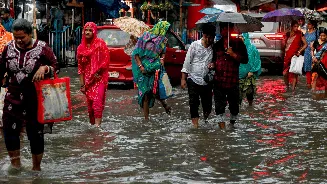
The current weather pattern is influenced by a combination of factors. The recent showers were a result of pre-monsoon activity, including cyclonic circulations and troughs that brought moisture and temporary relief. [9] Now, with the delayed arrival of the main southwest monsoon, these temporary systems are weakening. [9, 21] The normal onset date for the monsoon in Delhi is around June 27, but forecasts now suggest it may only arrive in the first week of July. [9] In this interim period, southwesterly winds from the Arabian Sea continue to pump moisture into the region, leading to high humidity even as clear skies allow temperatures to soar. [14]
Staying Safe in Oppressive Conditions
The combination of extreme heat and humidity is not just uncomfortable; it's a significant health risk. Authorities advise residents to take precautions to avoid heat exhaustion and heatstroke. Staying hydrated by drinking plenty of water, even if you don't feel thirsty, is essential. It's best to avoid strenuous outdoor activities during the peak afternoon hours, typically between noon and 4 pm. Wearing lightweight, light-coloured, and loose-fitting cotton clothes can also help your body stay cooler. It is also important to be aware of the symptoms of heat exhaustion, which include dizziness, heavy sweating, and nausea, and to seek a cooler environment immediately if they occur.
When Will Real Relief Arrive?
While the next couple of days are predicted to be intensely hot and humid, there is relief on the horizon. The IMD forecasts a gradual fall in temperatures starting around mid-week. [2, 14] The much-anticipated southwest monsoon is expected to advance further into North India, with conditions becoming more favourable for its arrival in Delhi after July 4th. [9, 23] Until then, while some isolated thunderstorms or gusty winds might provide brief, localised relief, the dominant weather story will remain one of oppressive heat and humidity. [12, 16, 22]