


The Science Behind Bitter Aversion
For years, the debate around bitter foods has often been dismissed as a simple matter of preference or exposure. However, a body of research, including significant findings presented to the American Heart Association, has illuminated the deep-seated genetic
reasons for these varied tastes. One of the most critical players is a taste receptor gene called TAS2R38. We all inherit two copies of this gene, which come in two main versions: a 'taster' variant (PAV) and a 'non-taster' variant (AVI). Your specific combination determines your sensitivity. Individuals with two copies of the PAV variant are known as 'supertasters' and find compounds in many vegetables like broccoli, cabbage, and kale exceptionally bitter. Those with one of each (PAV/AVI) are 'tasters' who perceive bitterness moderately, while people with two AVI variants are 'non-tasters' who barely notice it at all.
More Than Just a Matter of Taste
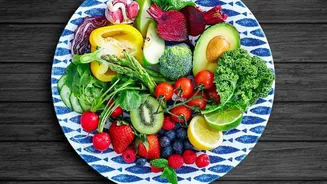
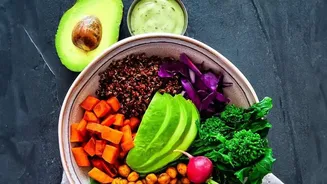
The major takeaway from this large-scale research is that sensitivity to bitterness isn't just about flavour; it's a powerful predictor of our overall eating patterns. For instance, one study from the University of Kentucky involving 175 participants found that 'supertasters' were more than two and a half times less likely to be in the group that ate a high quantity of vegetables. This aversion isn't a failure of willpower but a biological response. The bitter compounds these individuals are sensitive to, called glucosinolates, are abundant in many healthy cruciferous vegetables. This genetic wiring can therefore make it genuinely challenging for a significant portion of the population to embrace foods that are widely promoted as essential for a healthy heart and body.
The Indian Kitchen Connection
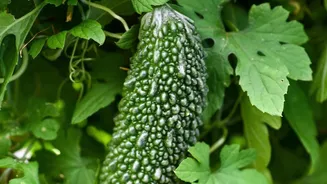
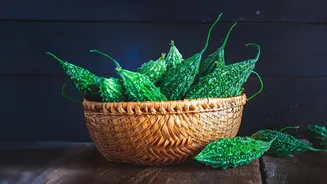
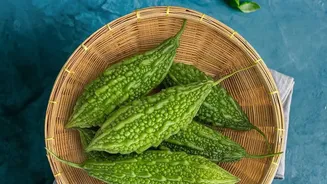
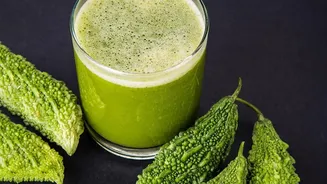
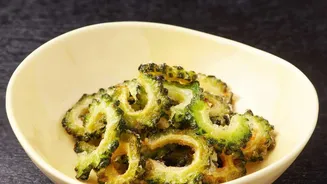
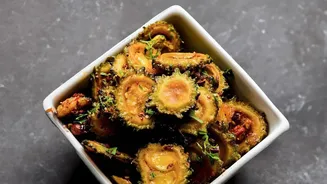
These findings are particularly relevant in India, where bitter foods are a cornerstone of many regional cuisines. Dishes featuring karela (bitter gourd), methi (fenugreek leaves), and neem are celebrated not just for their taste but for their perceived health benefits, especially in traditional medicine for regulating blood sugar. The genetic research offers a new lens through which to view these traditions. While some people may genuinely enjoy and benefit from these bitter flavours, others might struggle to consume them due to their TAS2R38 gene profile. This doesn't mean they can't be healthy. It highlights the need to understand that a one-size-fits-all approach to diet is flawed. While a 'supertaster' might recoil from a bitter karela sabzi, they might have no issue with other nutrient-dense vegetables that don't trigger the same intense bitter reaction.
It’s Not Just Vegetables
The influence of the TAS2R38 gene extends beyond the vegetable patch. Studies have shown correlations between bitter sensitivity and the intake of other foods and drinks. Some research suggests that supertasters, being more sensitive to bitterness, might also be more averse to bitter beverages like black coffee and certain types of alcohol. Conversely, some studies have found that people who are less sensitive to bitter tastes may have a higher preference for sweeter foods and fatty items, potentially because their taste perception is less intense overall. This creates a complex web where your genetic taste profile can subtly nudge you toward or away from various dietary patterns, influencing everything from your risk of developing certain chronic diseases to your daily calorie consumption.
Rethinking 'Healthy Eating' for Good
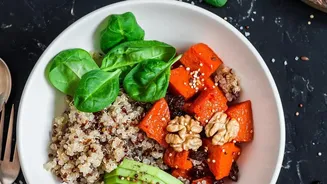
The most profound implication of this research is the shift away from blaming individuals for their food preferences. It encourages a move towards a more personalised and compassionate approach to nutrition. Instead of forcing a child—or an adult—to eat vegetables they find overwhelmingly bitter, the focus can shift to finding alternatives they genuinely enjoy. Roasting vegetables, for instance, can tame their bitterness, and pairing them with healthy fats or acids can also make them more palatable. The conversation is no longer about who is a 'good' or 'bad' eater, but about understanding our unique biology. This knowledge empowers us to build sustainable, healthy eating habits that work with our bodies, not against them, ensuring we get the nutrients we need without a daily battle at the dinner table.