







The Science of the Post-Meal Stroll
One of the most significant benefits of a short walk after a meal is its impact on your blood sugar levels. When you eat, your body converts carbohydrates into glucose, causing blood sugar to rise. A gentle walk helps your muscles use this glucose for
energy, preventing sharp spikes and subsequent crashes. Research has shown that even two to five minutes of light walking after a meal can improve blood sugar levels. Studies indicate that walking shortly after eating is particularly effective, with some suggesting the optimal window is within 10 to 30 minutes of finishing your meal. This simple act helps your body manage glucose more efficiently, which is beneficial for everyone, especially those with insulin sensitivity.
A Boost for Your Digestion
If you often feel bloated or uncomfortably full after eating, a brief walk can provide relief. Movement stimulates the stomach and intestines, helping food move through your digestive system more rapidly. This process, known as peristalsis, is the wave-like muscle contraction that moves food and gas along your gastrointestinal tract. By staying upright and moving gently, you can reduce symptoms like gas, bloating, and even constipation. Unlike vigorous exercise which can sometimes hinder digestion by diverting blood flow to your muscles, a relaxed stroll encourages smoother digestive function.
The Mental Win: Building Momentum
Perhaps the most powerful aspect of this habit is psychological. Grand fitness goals can be intimidating, often leading to inaction. A ten-minute walk, however, is an achievable goal that provides an immediate sense of accomplishment. This small win creates positive momentum. The principle is known as 'habit stacking'—linking a new, desired behavior to an existing one, like finishing a meal. Because your current habits are already wired into your brain, adding a new one on top makes it more likely to stick. Consistently taking this small step builds self-trust and makes fitness feel less like a chore and more like a natural part of your day, rewiring your brain to see yourself as someone who is active.
How to Make It a Lasting Habit
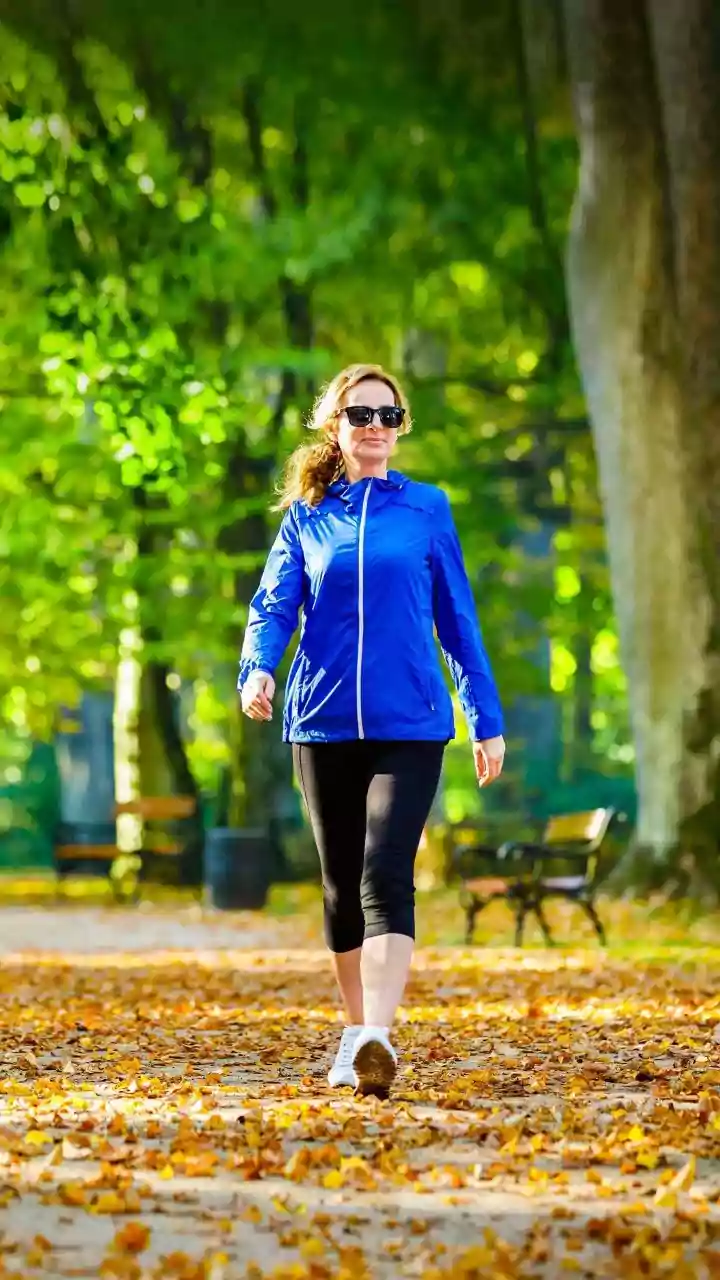
To get started, aim for a relaxed, comfortable pace. You're not trying to set a speed record; the goal is gentle movement. Try to head out within 15 to 30 minutes of finishing your meal to get the maximum blood sugar benefits. Consistency is more important than intensity. If you forget after one meal, just do it after the next. You can walk around your neighbourhood, a nearby park, or even just around your living room if the weather is bad. The key is to make it a non-negotiable part of your post-meal routine. By focusing on this one small, repeatable action, you build a foundation for a more active lifestyle without the pressure of a perfect, all-or-nothing approach.