





The New 30-Day Visa Exemption
Effective September 15, 2026, Indian passport holders can enter Thailand for tourism without a visa and stay for up to 30 days. This is a significant shift from the previous, often fluctuating, systems which sometimes involved a visa-on-arrival with a fee
of around 2,000 Thai Baht (approximately ₹5,000-₹6,000) for a shorter 15-day stay. The new rule places India in the visa-exempt category, eliminating both the cost and the queue at the visa counter upon arrival. While a temporary 60-day exemption was in place earlier, this new 30-day rule provides a stable, fee-free framework for short-term tourism. For a typical backpacking trip of two to three weeks, this 30-day window is more than sufficient, offering flexibility without the upfront cost or paperwork. If you wish to stay longer, you can apply for a 30-day extension at a local immigration office for a fee.
The Backpacker's Advantage: Spontaneity and Savings
The primary benefit for backpackers is the newfound freedom and spontaneity. Previously, the need for a visa-on-arrival meant planning, potential queues, and carrying a specific cash amount for the fee. Now, you can book a last-minute flight to Bangkok without worrying about visa applications. The money saved on the visa fee—up to ₹6,000—can be redirected towards experiences, be it an extra night in a hostel, a boat trip, or a cooking class. This policy removes a psychological and financial barrier, making Thailand an even more attractive option for budget-conscious travellers. While the visa is free, it's important to note that immigration officers may still ask for proof of sufficient funds (around 20,000 THB), a confirmed return ticket, and accommodation details. It is also mandatory to fill out the Thailand Digital Arrival Card (TDAC) online within 72 hours before arrival.
Bangkok: Your Seamless Starting Point
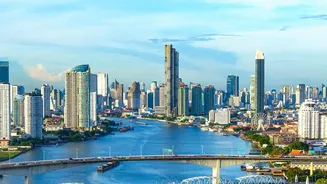
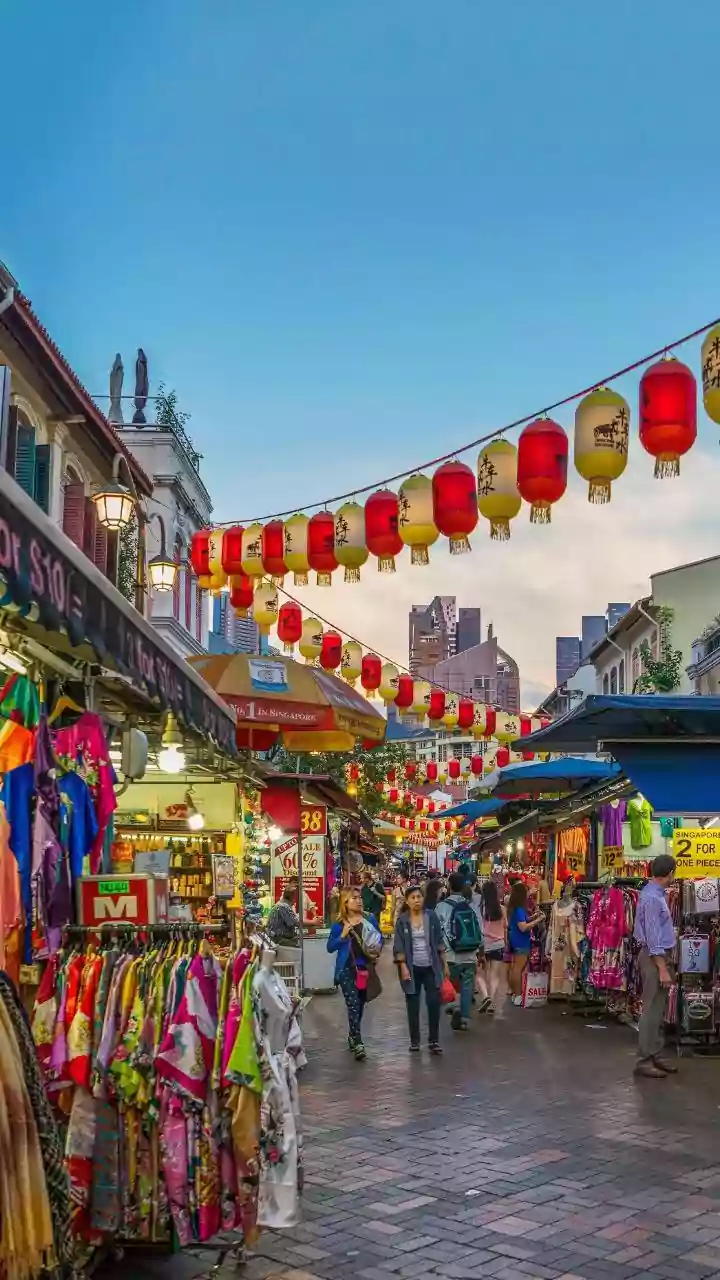
For most backpackers, the journey begins in Bangkok. The visa exemption makes arrival at Suvarnabhumi (BKK) or Don Mueang (DMK) airports significantly smoother. With no visa desk to contend with, you can head straight to immigration, get your 30-day stamp, and start your adventure. This saved time is invaluable after a long flight. You can hop on the Airport Rail Link into the city and check into your hostel in areas like Khao San Road or Sukhumvit with minimal fuss. This ease of entry encourages a more relaxed start to your trip, allowing you to dive straight into exploring the city's incredible street food, magnificent temples like Wat Arun and Wat Pho, and bustling markets without the shadow of visa logistics looming over you.
North to Chiang Mai: Flexibility on the Rails
The classic backpacker route often leads north from Bangkok to the mountainous region of Chiang Mai. The visa-free policy enhances this leg of the journey by allowing for flexible travel plans. You no longer have to perfectly time your travel to fit a restrictive 15-day visa. You can decide to take the scenic overnight train on a whim or book a last-minute budget flight, knowing your 30-day stay gives you plenty of buffer. Once in Chiang Mai, you can explore the Old City's temples, visit an ethical elephant sanctuary, or take a side trip to the bohemian town of Pai without constantly checking the calendar. This freedom allows you to travel at a backpacker's pace—slowly and deliberately, with the ability to change plans as you meet new people and discover new places.
Krabi and the Andaman Sea: Unrestricted Island Hopping
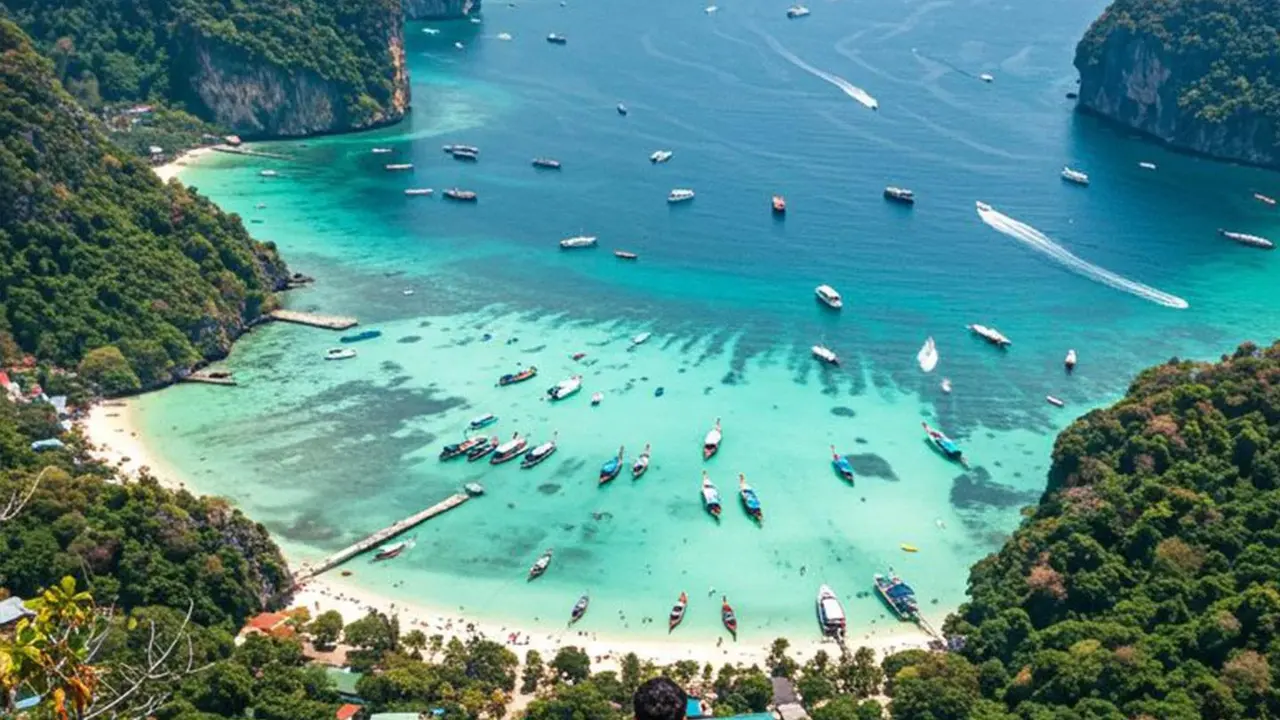
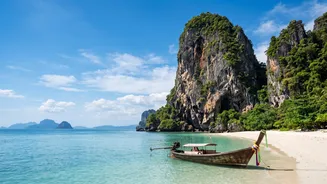
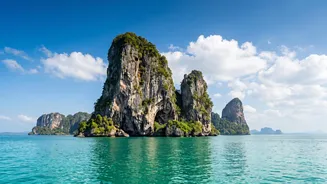
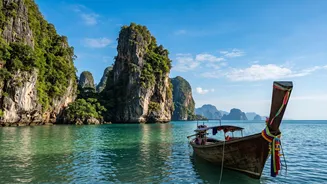
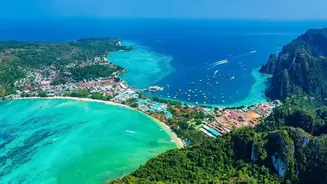
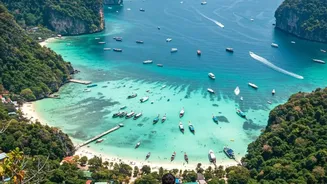
From the mountains of the north, many backpackers fly south to the stunning coastlines of Krabi. This is where the 30-day visa exemption truly shines. The Andaman coast is famous for its myriad of islands like Koh Phi Phi and the breathtaking beaches of Railay, accessible only by boat. The visa freedom means you can linger longer in places you fall in love with. If a planned two-day stay in Railay turns into a week of rock climbing and beach relaxation, your visa allows for it. You can book island-hopping tours, take ferries to nearby islands like Koh Lanta, or simply enjoy the laid-back vibe of Ao Nang beach without the pressure of an expiring visa. This flexibility is the essence of backpacking, and the new policy puts that power firmly in the hands of the traveller.