




The Invisible Risk in Our Kitchens
We love our food, from fragrant curries to freshly cooked dal. But the same heat that helps us cook can turn against us once the stove is off. The combination of high ambient temperatures and humidity in many parts of India creates the perfect environment
for harmful bacteria like Salmonella and E. coli to thrive. Food that might have been safe for hours on the counter in winter can become risky in summer much faster than we think. This isn't about being alarmist; it's about understanding a simple scientific reality. Foodborne illnesses see a spike during warmer months for this very reason, and many cases are preventable with a few small changes in our kitchen habits.
The Dangerous Grey Area: Room Temperature
The “temperature danger zone” is a term food safety experts use for the range between 5°C and 60°C. Within this zone, bacteria can double in as little as 20 minutes. In many Indian homes, room temperature falls squarely within this dangerous range. This leads to the most critical rule: the two-hour rule. According to the Food Safety and Standards Authority of India (FSSAI) and other global health bodies, any perishable food left at room temperature for more than two hours should be discarded. When the ambient temperature climbs above 32°C, that window shrinks to just one hour. This applies to everything from cooked sabzi and rice to cut fruits and dairy products.
Rethinking the Masala Dabba and Pantry
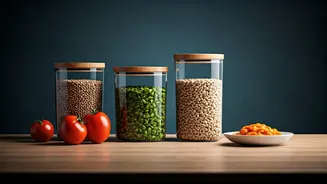
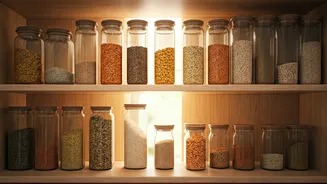
For convenience, the masala dabba is often kept right next to the stove. However, the constant exposure to heat and light can cause the essential oils in spices to degrade, making them lose their flavour and potency. In summer, it’s wiser to store your main spice box in a cool, dark cabinet. You can keep a smaller amount for daily use near the cooking area. The same logic applies to pantry staples. Items like flour, dals, and rice should be transferred from their packets into airtight containers to protect them from moisture and pests, which are more active in the heat. Root vegetables like potatoes and onions should be kept in a cool, dark, and well-ventilated space, but away from each other, as onions can cause potatoes to sprout faster.
Fridge Realities and Common Mistakes
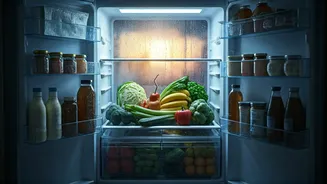
Our refrigerators work overtime in the summer, but a few common mistakes can reduce their effectiveness. First, the FSSAI recommends keeping your fridge temperature below 5°C. Overcrowding the shelves prevents cold air from circulating properly, creating warm spots where bacteria can grow. Another common habit is putting hot food directly into the fridge. This not only raises the internal temperature of the appliance, putting other foods at risk, but also makes the fridge work harder. It's better to cool food down first by transferring it to smaller, shallow containers to increase the surface area and speed up cooling. Finally, remember that the fridge door is the warmest part of the appliance; store condiments there, not milk or eggs.
Mastering the Art of Leftover Logic
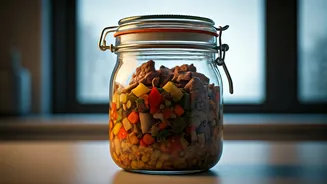
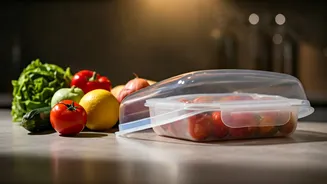
Properly storing leftovers is key to preventing waste and illness. The first rule is to refrigerate them promptly, within the one-to-two-hour window. Use airtight containers, preferably made of glass or stainless steel, as they don't retain odours or heat like some plastics can. When storing, always keep cooked food separate from raw ingredients to avoid cross-contamination. FSSAI guidelines suggest placing raw meat, poultry, and fish on the bottom shelf of the fridge in sealed containers, so their juices can't drip onto other foods. When reheating, ensure the food reaches an internal temperature of at least 74°C to kill any bacteria that may have developed.