

Why Seasons Still Matter Indoors
Even though your plants live in a controlled indoor environment, they are keenly aware of seasonal shifts. The intensity and duration of sunlight change dramatically between summer and winter. Air conditioners in the summer and heaters in the winter alter
humidity levels, while the monsoon brings its own unique set of challenges with dampness. Understanding that your plant’s needs are not static is the first step to becoming a better plant parent. Their growth naturally speeds up in the active growing period of spring and summer and slows down for a rest or dormancy period in the cooler, darker months of winter. Your care routine should reflect this natural cycle.
Light: Following the Sun's Path
Sunlight is a plant's primary food source, and its availability changes throughout the year. During the intense Indian summer, direct sunlight through a window can be harsh enough to scorch leaves. It’s wise to move sensitive plants a few feet back from south or west-facing windows or use sheer curtains to filter the light. Conversely, winter brings weaker sunlight and shorter days. To maximize light absorption, move your plants closer to windows, making sure to rotate them weekly for even exposure. Wiping dust off the leaves with a damp cloth is also crucial, especially in winter and summer, as clean leaves photosynthesize more effectively.
Water: The Ebb and Flow of Thirst
Overwatering is one of the most common ways people accidentally harm their plants. A fixed watering schedule is often the culprit. The best rule is to check the soil. During the active growth of spring and summer, plants are thirstier and may need water more frequently. However, in the cool, damp conditions of the monsoon, soil stays wet for longer, increasing the risk of root rot. During this time, reduce watering frequency and ensure good air circulation. In winter, when plant growth slows, they enter a dormant phase and require significantly less water. Always check the top inch or two of soil; if it’s dry, it’s time to water. If it’s moist, wait a few more days.
Humidity: Creating a Comfortable Climate
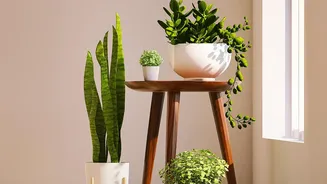
Many popular houseplants are tropical in origin and appreciate humidity. The monsoon season naturally provides this, but you need to be wary of fungal issues due to excessive dampness. In the dry summer and winter months, when air conditioners and heaters are running, the air can become too dry for these plants, leading to brown, crispy leaf tips. To increase humidity, you can mist your plants a few times a week, group them together to create a humid microclimate, or place their pots on trays filled with pebbles and water. Ensure the pot isn't sitting directly in the water, as this can lead to root rot.
Feeding: Fuel for the Growing Season
Fertiliser is a supplement, not the main meal. Plants make their own food via photosynthesis. Nutrients should primarily be provided during the active growing season, which in India is typically from March to September. During this period, feeding them with a diluted liquid fertiliser every 2-4 weeks is beneficial. As growth slows from October to February, you should reduce feeding drastically or stop altogether. Fertilising a dormant plant can harm its roots because it cannot use the excess nutrients. During the monsoon, you might switch to monthly feeding or use slow-release granules to prevent the nutrients from being washed out.
Maintenance: Pruning and Pest Patrol
Seasonal changes can also influence maintenance tasks. Spring, at the start of the growing season, is the ideal time for repotting plants that have become root-bound or for pruning to encourage fuller growth. Pests can be a year-round threat, but their populations can spike in certain conditions. For instance, dry indoor air in winter can make plants more susceptible to spider mites, while the dampness of monsoon can encourage fungus gnats. Regularly inspect your plants, checking under leaves and around the soil, for any signs of trouble. Catching an infestation early makes it much easier to manage.