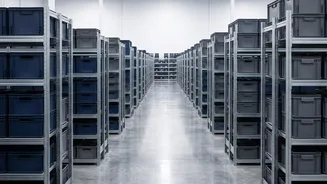







The Dark Store: An Unseen Engine
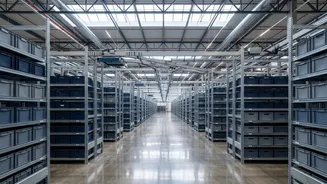
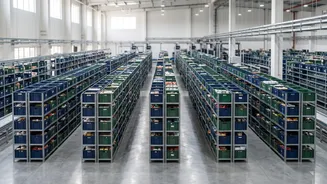
Before diving into the numbers, it’s crucial to understand what a 'dark store' is. Unlike a regular supermarket, these are small, neighbourhood-level warehouses closed to the public. They are designed exclusively for fulfilling online orders. Think of
them as mini-fulfillment centres, strategically placed within densely populated areas to ensure that groceries and other essentials can be picked, packed, and delivered to your doorstep in minutes, not hours. This network of dark stores is the physical backbone of the entire quick-commerce model; the more stores a company has in a city, the wider its reach and the faster its delivery promise.
Bengaluru: The Epicentre of Quick Commerce
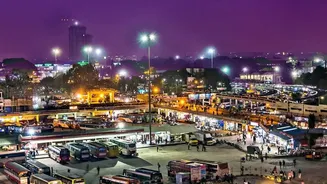
Bengaluru has emerged as the undisputed capital of India's quick-commerce revolution, boasting more dark stores than any other city. Some estimates from mid-2026 placed the city's total count at over 600 stores, representing more than 11% of the national footprint. This heavy concentration isn't accidental. The city’s notorious traffic, high population density, and tech-savvy consumer base make it fertile ground for services that promise to save time and offer unparalleled convenience. As a result, players like Blinkit, Zepto, Swiggy Instamart, and others are locked in an intense battle for every neighbourhood, making store count a key metric for gauging market dominance.
A Puzzle of Conflicting Numbers
Here's where it gets complicated. Ask different sources how many dark stores operate in Bengaluru, and you'll get different answers. For example, a company's quarterly report might announce a national total of 2,400 stores, while an independent research firm using mapping data from the same period might count fewer than 2,000. Another source might report that Bengaluru has 629 dark stores in July, while a different dataset updated a few months later suggests the number is over 800. These discrepancies aren't necessarily errors; instead, they highlight the chaotic and fluid nature of the industry. The numbers change so rapidly that any count is merely a snapshot in time.
Why Can't the Experts Agree?
The variation in store counts boils down to a few core factors. First is the very definition of a 'dark store'. Some researchers might only count fully operational stores, while others may include those under construction or newly acquired, leading to inflated figures. Second, data collection methodologies differ vastly. Some firms rely on publicly available information from the apps themselves, while others use more complex methods like tracking real-time product availability by pincode or analysing satellite imagery. Finally, the market is incredibly dynamic. Companies are constantly opening, closing, and relocating stores to optimise delivery routes and respond to shifting demand patterns. A store that exists in one report may be gone by the next, making a definitive, lasting count nearly impossible.
What the Numbers Game Really Reveals
Ultimately, the exact number of dark stores is less important than what the frantic expansion and inconsistent data tell us about the industry. The lack of a single source of truth points to a market that is still in a high-growth, almost 'wild west' phase, where companies guard their operational data closely. For investors and brands, this ambiguity makes it difficult to accurately assess market share and competitive strength based on store counts alone. The real story is the aggressive, relentless push for geographic density. The differing numbers reflect different strategies: some players favour a wide 'land-grab' approach across many cities, while others prefer to build deep penetration in a few key markets like Bengaluru.