



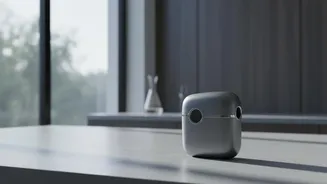

The Rise of the AI Wellness Coach
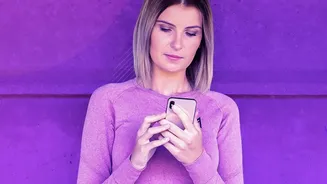
By 2026, artificial intelligence has become more than just a tool for productivity; it's a personal health companion. AI wellness bots, available through a variety of apps, are designed to act as your pocket-sized coach for everything from nutrition and
fitness to stress management and sleep hygiene. These platforms are gaining popularity in India and across the globe for their accessibility and convenience. They use data from your wearables, logged meals, and self-reported moods to create customized plans and offer real-time feedback. The appeal is obvious: instant, non-judgmental support that is available anytime, anywhere, often at a lower cost than traditional human coaching.
The Case for the Wellness Bot
The biggest advantage of an AI wellness coach is its data-driven objectivity. It can track your habits with precision, identifying patterns you might miss and flagging when your behaviours trend in the wrong direction. This makes AI a powerful assistant for building consistency. For many, the privacy and non-judgmental nature of a bot create a safe space to explore wellness goals without fear of criticism. These tools can be an incredible starting point, lowering the barrier to self-reflection and providing structured guidance on-demand, which is especially useful for managing daily stress or staying motivated.
The Irreplaceable Power of Personal Judgment
Despite the sophistication of AI, it cannot replicate the nuanced wisdom of human intuition. Personal judgment is the culmination of lived experience, emotional intelligence, and self-awareness. It’s the ability to sense when you need rest, even if your fitness app says it’s time for a workout. Healthcare professionals refer to this as clinical intuition, a skill developed over time that goes beyond raw data. Your body communicates in ways an algorithm can't fully grasp—a subtle feeling of fatigue, a gut instinct about a certain food, or the emotional weight of a stressful day at work. AI lacks true contextual understanding of your complex life; it can't read your body language or sense the tension in your voice. These are the very things our personal judgment is designed to interpret.
Where the Bots Fall Short
The limitations of AI wellness coaching are significant. A major concern is that AI is only as unbiased as the data it’s trained on, meaning it can sometimes reinforce generic or culturally dominant narratives rather than providing truly individual advice. Privacy is another key issue; you are entrusting highly personal health data to a third party, and it's crucial to understand how that data is used and protected. Most importantly, AI bots lack genuine empathy and cannot manage complex, severe, or co-occurring health conditions. They are not a replacement for professional medical advice and risk giving incorrect or even unsafe recommendations if used for serious health concerns.
Finding a Healthy Balance: Human-AI Synergy
The most effective approach in 2026 isn't choosing between the bot and your brain, but fostering a partnership between them. The consensus among wellness experts is to use AI as a tool to support, not replace, your own decision-making. Let the bot handle data tracking and offer suggestions, but apply your personal judgment as the final filter. Use the AI’s insights as a starting point for a conversation with yourself. Does the suggested workout align with your energy levels? Does the meal plan account for your social plans this week? The future of wellness is about becoming AI-literate, not AI-dependent, using technology to sharpen your own intuition rather than override it.