




The Siren Song of a Viral Reel
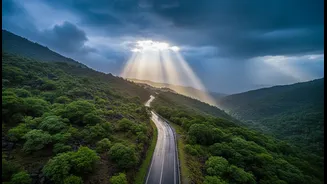
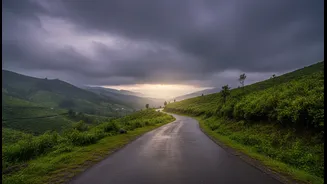
The monsoon season in India has a unique aesthetic, one that has been packaged and perfected for social media. Every year, as the rains arrive, our feeds are flooded with cinematic clips of emerald-green landscapes and dramatic, cloud-filled skies. Influencers
and amateur travelers alike chase these perfect shots, turning quiet villages into trending destinations overnight. Studies show that platforms like Instagram and YouTube are now primary sources of travel inspiration for a majority of Indian travelers, especially younger generations. A single viral Reel can make a remote valley or a hidden waterfall the next must-visit spot. This creates a powerful, visually driven urge to pack our bags and experience that same curated beauty firsthand, often without a second thought for the realities of the season.
The Reality Behind the Filter
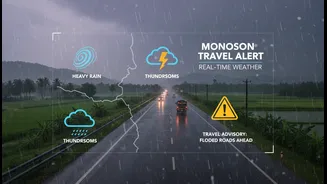
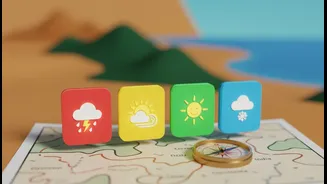
While Instagram shows you the beauty, the India Meteorological Department (IMD) tells you the truth. The same monsoon that creates lush scenery also brings tangible dangers. As of early July, the IMD has issued multiple warnings for heavy to very heavy rainfall across vast swathes of the country, including popular tourist states like Himachal Pradesh, Uttarakhand, Maharashtra, Goa, and Kerala. These aren't just suggestions; they are color-coded alerts designed for public safety. A 'Yellow' alert asks you to be aware, an 'Orange' alert warns you to be prepared for disruptions, and a 'Red' alert signifies a serious risk to life and property, urging you to take immediate action. These alerts are based on scientific data predicting flash floods, landslides, and severe waterlogging — risks that a 30-second Reel rarely, if ever, shows.
When Paradise Becomes a Trap
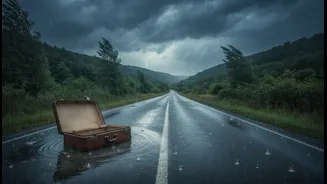
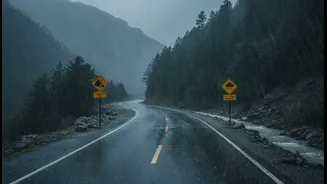
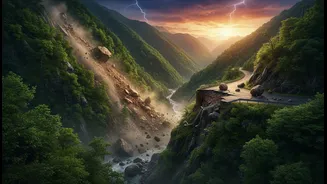
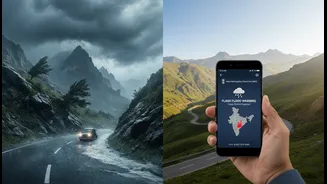
In recent years, the convergence of peak monsoon and peak tourism has led to what some experts call 'temporal compression'—immense pressure on infrastructure at the most vulnerable time. The results have been repeatedly tragic. In past monsoons, tourists chasing the perfect rainy vista in states like Himachal Pradesh and Uttarakhand have found themselves stranded for days. Flash floods have washed away roads, landslides have blocked highways, and overflowing rivers have cut off entire towns, trapping thousands of travelers. In July 2023, over 60,000 tourists had to be rescued in Himachal Pradesh alone after heavy rains caused widespread chaos. What starts as a picturesque drive can quickly become a life-threatening ordeal, with travelers cut off from communication and essential supplies. The beautiful waterfall in a Reel becomes a raging torrent; the charming mountain road becomes a deadly landslide zone.
A Traveller’s New Monsoon Checklist
Enjoying the monsoon doesn't mean staying home; it means travelling smarter and more responsibly. Before you book that ticket based on a trending clip, make a new checklist. First and foremost, check the official IMD website for forecasts and warnings for your specific destination. Understand the alert levels and be prepared to change or cancel your plans if an Orange or Red alert is issued. Second, talk to local contacts—hotel owners or travel agents on the ground—who have a real-time understanding of the conditions. Third, if you are traveling to hilly areas, avoid staying near riverbanks or on unstable slopes. Always have a buffer in your itinerary and budget for unexpected delays. And finally, pack for the reality: waterproof gear, a first-aid kit, a power bank, and some non-perishable food. The goal is to make memories, not to become a statistic in a news report about stranded tourists.