



The Foundation: Rinsing and Soaking
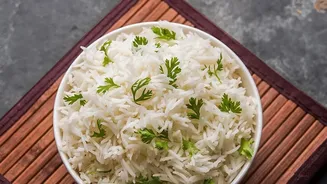
Before you even think about water ratios, two steps are paramount for achieving restaurant-quality basmati: rinsing and soaking. Rinsing the rice under cold water until the water runs clear is non-negotiable. This process removes excess surface starch,
which is the primary cause of stickiness. For an even better texture, soaking the rinsed rice in fresh cold water for 20 to 30 minutes is highly recommended. Soaking allows the grains to absorb moisture evenly, which helps them elongate and cook through without breaking. It's a small investment of time that pays huge dividends in the final texture.
The Stovetop Absorption Method
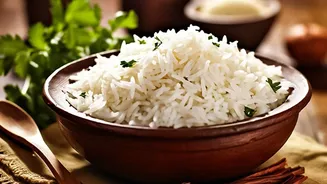
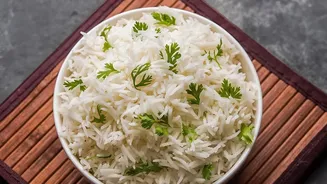
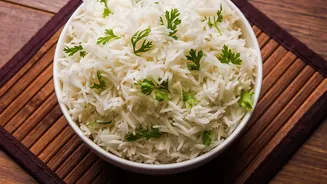
This is the classic technique for achieving fluffy rice. The most common starting ratio for white basmati rice on the stovetop is 1 cup of rice to 1.5 cups of water. If you have soaked your rice, you may need slightly less water. After rinsing (and soaking), place the rice and measured cold water in a saucepan with a tight-fitting lid. Bring it to a boil uncovered, give it one gentle stir, then immediately cover the pot and reduce the heat to the lowest possible setting. Let it simmer for 10-12 minutes without lifting the lid. Once the time is up, remove the pan from the heat and let it rest, still covered, for at least 5-10 minutes. This resting period allows the steam to finish cooking the grains and results in a drier, fluffier texture.
Adjusting for Your Rice Cooker
A rice cooker creates a sealed environment with less evaporation, so you'll generally need less water than on the stovetop. While some cooks find a 1:1.5 ratio still works, others have more success with a 1:1.25 or 1:1.3 ratio. Many rice cookers come with markings inside the pot; using these for long-grain white rice is a reliable guide. The process is simple: add your rinsed rice, the measured water, and a pinch of salt. Once the cooker switches to the 'warm' setting, let the rice rest for another 5-10 minutes before fluffing with a fork. This prevents the bottom layer from becoming too moist.
Mastering the Instant Pot Ratio
The Instant Pot and other electric pressure cookers lose almost no water to steam, so the ratio here is the most conservative. For perfectly cooked, firm grains, a 1:1 ratio of washed rice to water is the gold standard. If you prefer softer rice or did not soak the grains, you might increase the water slightly to 1:1.25. After adding the rice and water to the pot, seal the lid and cook on high pressure for 4-6 minutes, followed by a 10-minute natural pressure release. Quick-releasing the pressure can result in wet, unevenly cooked rice, so patience during the natural release is key.
From Plain Grains to Flavourful Dishes
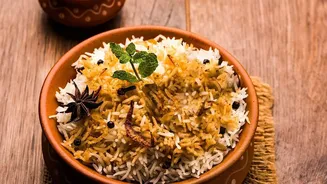
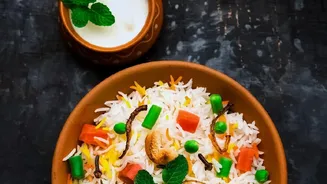
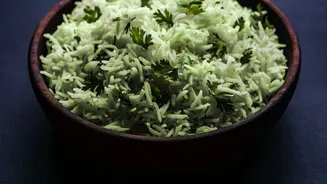
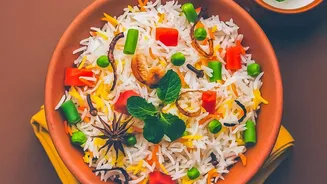
Once you've mastered the art of cooking plain basmati, a world of recipes opens up. These dishes often start with the same basic principles but add layers of flavour. Jeera Rice is a simple yet aromatic dish where cumin seeds (jeera) are toasted in ghee or oil before the rice and water are added. This blooming of the spice infuses the entire dish with a nutty, warm flavour. Vegetable Pulao is another classic, where whole spices like cinnamon, cardamom, and bay leaves are sautéed with vegetables before the rice is added and cooked via the absorption method. This one-pot meal is a fragrant and wholesome way to enjoy basmati rice. For a truly celebratory dish, Biryani involves layering par-cooked rice with a spiced mixture of meat or vegetables and then steaming them together until fully cooked.